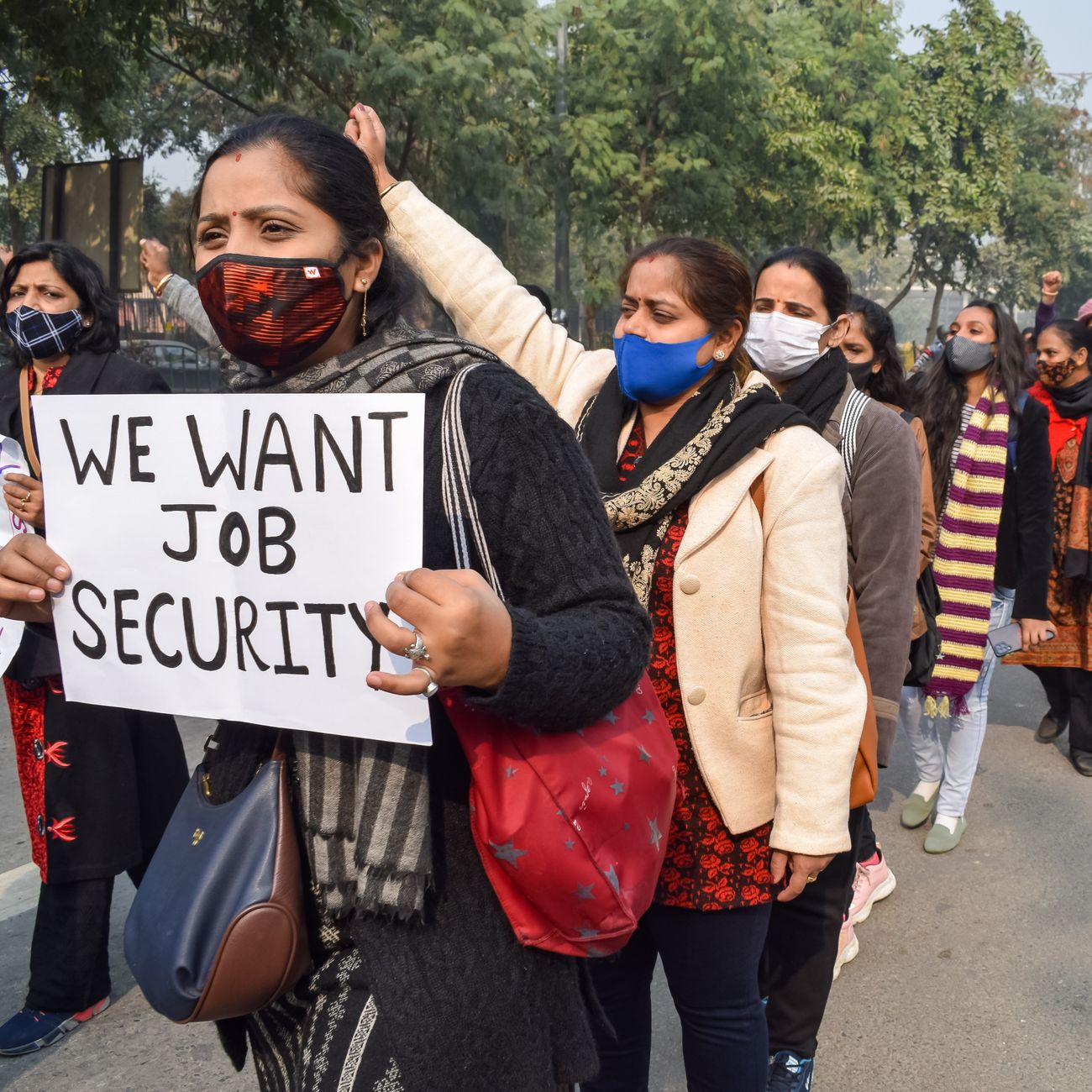

The Indian banking sector is experiencing a fundamental shift in its approach to talent acquisition as artificial intelligence moves from being a job displacement concern to becoming a core tool that redefines hiring strategies. While headlines have focused on automation-driven job losses, the reality on the ground reveals a more nuanced transformation that is changing what banks look for in candidates, how they assess talent, and what roles will dominate the sector's future.
The New Skills Banks Are Hunting For
Traditional banking roles emphasized customer service, relationship management, and process adherence. Today, Indian banks are actively seeking candidates with hybrid skill sets that blend financial knowledge with technological proficiency. Data analytics, machine learning fundamentals, and digital product management have become desirable competencies even for conventional banking positions.
Public sector banks like State Bank of India and private players including HDFC Bank and ICICI Bank have begun prioritizing candidates with STEM backgrounds for roles that previously went to commerce or humanities graduates. This shift reflects the sector's recognition that future banking operations will require employees who can work alongside AI systems, interpret algorithmic outputs, and contribute to digital transformation initiatives.
AI-Powered Recruitment Processes
Banks themselves are deploying AI to streamline their hiring workflows. Automated resume screening systems now filter thousands of applications in minutes, identifying candidates whose skills match job requirements with greater precision than manual review. These systems analyze not just keywords but patterns in career progression, skill adjacencies, and experience relevance.
Video interview platforms powered by AI are becoming standard practice, particularly for entry-level positions. These tools assess candidates on multiple dimensions including communication clarity, confidence levels, and even micro-expressions. While controversial in some quarters for potential bias, banks argue these systems bring objectivity to initial screening rounds and reduce unconscious human bias.
Psychometric assessments enhanced by machine learning algorithms help banks evaluate cultural fit, problem-solving approaches, and adaptability quotient. These tools predict candidate success rates in specific roles based on data from thousands of previous hires.
Emerging Job Categories
Rather than simply eliminating positions, AI is creating entirely new roles within banking. Chief among these are positions like AI ethics officers who ensure algorithmic fairness in lending decisions, conversational AI designers who create chatbot interactions, and automation architects who identify processes suitable for intelligent automation.
Data scientists and AI trainers represent another growth category. These professionals develop and refine machine learning models for credit risk assessment, fraud detection, and personalized product recommendations. Indian banks are competing with technology companies for this talent pool, often offering competitive packages and opportunities to work on large-scale financial datasets.
Customer experience designers with technology backgrounds are increasingly valuable as banks recognize that digital interfaces require both aesthetic appeal and functional excellence. These roles blend design thinking with technical understanding of what AI systems can deliver.
The Reskilling Imperative
Banks are investing heavily in reskilling existing employees rather than wholesale replacement. ICICI Bank's digital learning academy and SBI's tie-ups with online education platforms exemplify this trend. Employees in traditional roles like branch operations or back-office processing receive training in digital tools, data interpretation, and customer analytics.
This reskilling approach serves multiple purposes. It addresses employee anxiety about technological unemployment, retains institutional knowledge, and proves more cost-effective than hiring externally for every new requirement. Many banks now mandate minimum hours of digital skills training annually for all employees.
Regional Hiring Patterns
Tier-two and tier-three cities are emerging as talent sources as remote work capabilities expand. Banks are hiring for technology and analytics roles from locations beyond traditional metro centers, accessing cost-effective talent while contributing to geographic employment distribution.
This trend accelerated post-pandemic as banks recognized that many functions do not require physical presence in expensive metro locations. Engineering and management graduates from colleges in cities like Indore, Coimbatore, and Jaipur are finding opportunities with major banks without relocating.
Looking Ahead
The banking sector's hiring transformation suggests that AI's impact extends beyond simple automation. It is fundamentally changing workforce composition, skill premiums, and career pathways. Candidates entering banking now need continuous learning mindsets and technological adaptability as much as financial acumen.
For job seekers, this evolution presents both challenges and opportunities. Those who proactively develop digital skills position themselves advantageously, while those resistant to technological change may find opportunities diminishing. The Indian banking sector's hiring future belongs to professionals who can bridge traditional banking wisdom with new-age technological capabilities.