
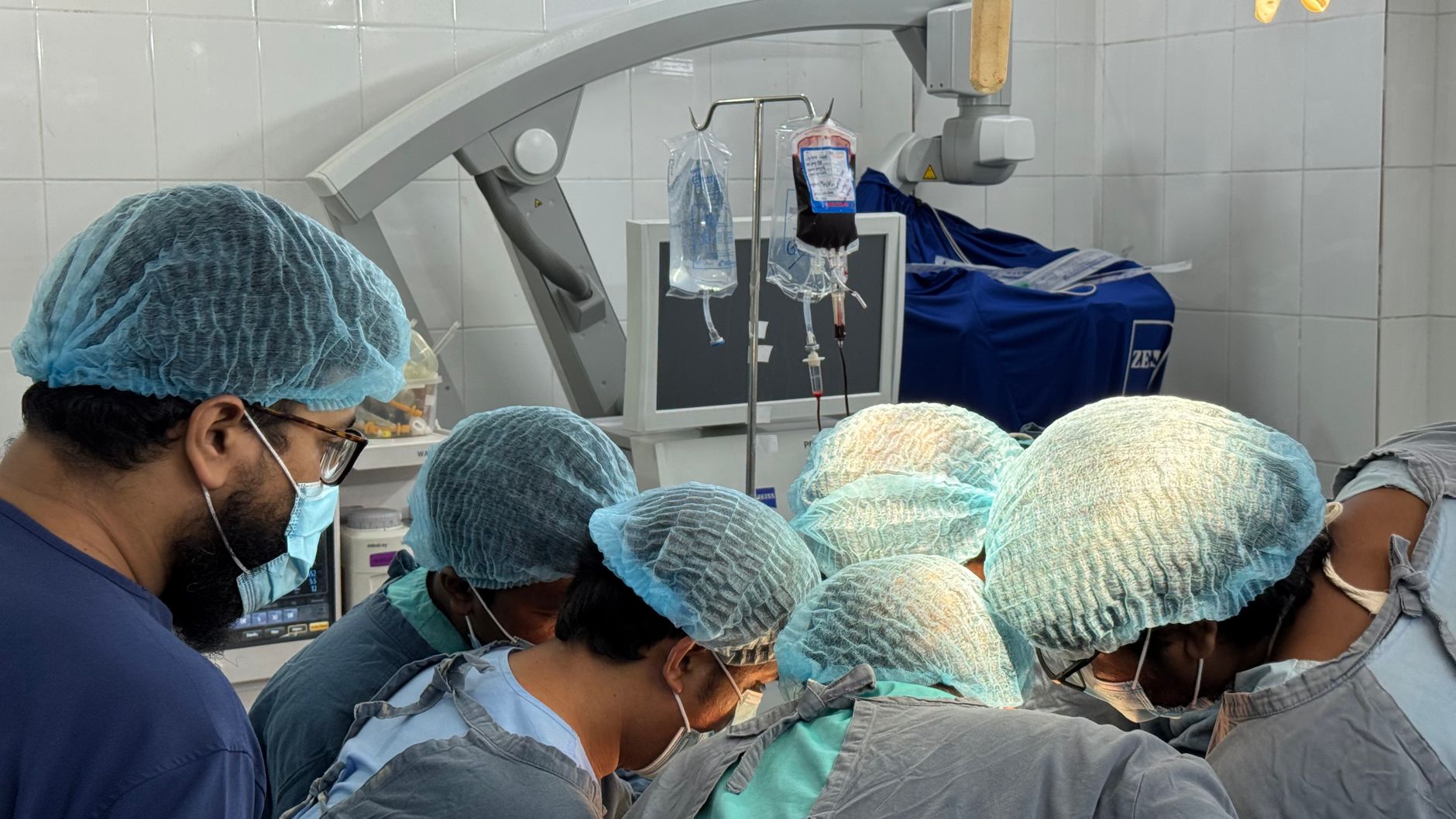
India is witnessing an alarming rise in brain and nervous system disorders at a time when the country faces a critical shortage of neurologists, creating a healthcare crisis that affects millions of patients across urban and rural areas alike. The gap between demand and supply of neurological care has widened significantly, leaving many patients without access to timely diagnosis and treatment.
The Scale of the Shortage
The current ratio of neurologists to population in India stands at approximately one specialist for every 1.2 to 1.5 million people. This figure falls drastically short of the World Health Organization's recommended ratio of one neurologist per 100,000 population. With an estimated population exceeding 1.4 billion people, India would need more than 14,000 neurologists to meet international standards, yet the country has fewer than 2,000 qualified neurological specialists currently practicing.
This shortage is even more pronounced in rural and semi-urban areas, where access to specialized neurological care is virtually non-existent. Most neurologists concentrate in major metropolitan cities and tier-1 urban centers, leaving vast swathes of the country underserved.
Rising Prevalence of Neurological Disorders
Several factors contribute to the increasing burden of brain disorders in India:
- Lifestyle changes including sedentary habits, poor diet, and increased stress levels have elevated the risk of stroke and other cerebrovascular diseases
- An aging population means more cases of dementia, Parkinson's disease, and age-related neurological conditions
- Rising rates of diabetes and hypertension, both risk factors for stroke and vascular dementia
- Increased awareness and better diagnostic capabilities leading to more detected cases
- Environmental factors including air pollution linked to neurological inflammation
- Growing incidence of mental health conditions with neurological components
Stroke alone affects approximately 1.8 million Indians annually, making it one of the leading causes of death and disability in the country. Epilepsy affects around 10 million people, while dementia impacts approximately 5.3 million individuals, a number expected to triple by 2050.
Impact on Patient Care
The shortage of neurologists creates multiple challenges for patients seeking care. Wait times for consultations can extend to several weeks or months, particularly in public hospitals and government facilities. Delayed diagnosis often means delayed treatment, which can be critical in time-sensitive conditions like stroke, where every minute counts.
Patients in smaller towns and villages often must travel hundreds of kilometers to reach a neurologist, incurring significant costs and hardships. For chronic conditions requiring regular monitoring, this distance becomes an ongoing burden that many families simply cannot sustain.
The workload on existing neurologists has reached unsustainable levels, with specialists often seeing 50 to 100 patients daily, leaving little time for thorough examinations and personalized care planning.
Underlying Causes of the Shortage
Several systemic issues contribute to the neurologist shortage. Limited seats in neurology residency programs mean only a small number of doctors can specialize in this field each year. The training pathway is long and demanding, requiring an MBBS degree followed by three years of general medicine, then three additional years of neurology specialization.
Many trained neurologists migrate abroad seeking better compensation and working conditions, particularly to countries like the United States, United Kingdom, and Gulf nations. The brain drain further depletes the already limited pool of specialists available to serve Indian patients.
Infrastructure limitations in medical colleges and teaching hospitals also restrict the capacity to train more neurologists, even when willing candidates are available.
Potential Solutions and Way Forward
Addressing this crisis requires multi-pronged approaches. Increasing the number of seats in DM Neurology programs across medical colleges would allow more doctors to specialize. Creating incentives for neurologists to practice in underserved areas, including loan forgiveness programs and rural posting bonuses, could improve geographic distribution.
Telemedicine presents a promising solution for bridging gaps in access, allowing remote consultations and follow-ups that reduce the burden of travel on patients. Training general physicians and primary care doctors to handle basic neurological conditions can also help, with specialist referrals reserved for complex cases.
Public health initiatives focusing on prevention through awareness about stroke symptoms, lifestyle modifications, and management of risk factors like hypertension and diabetes can reduce the overall disease burden.
The government and private sector must work collaboratively to expand medical education capacity, improve working conditions for neurologists, and build infrastructure that supports neurological care across all regions of the country.
This article is for general informational purposes only and does not constitute medical advice. Readers experiencing neurological symptoms should consult qualified healthcare professionals for proper diagnosis and treatment.