The BRICS nations—Brazil, Russia, India, China, and South Africa—are joining forces to create a robust framework for Traditional, Complementary and Integrative Medicine (TCIM). This collaborative effort represents a significant step toward mainstreaming age-old healing practices within modern healthcare systems across some of the world's most populous countries.
What is TCIM?
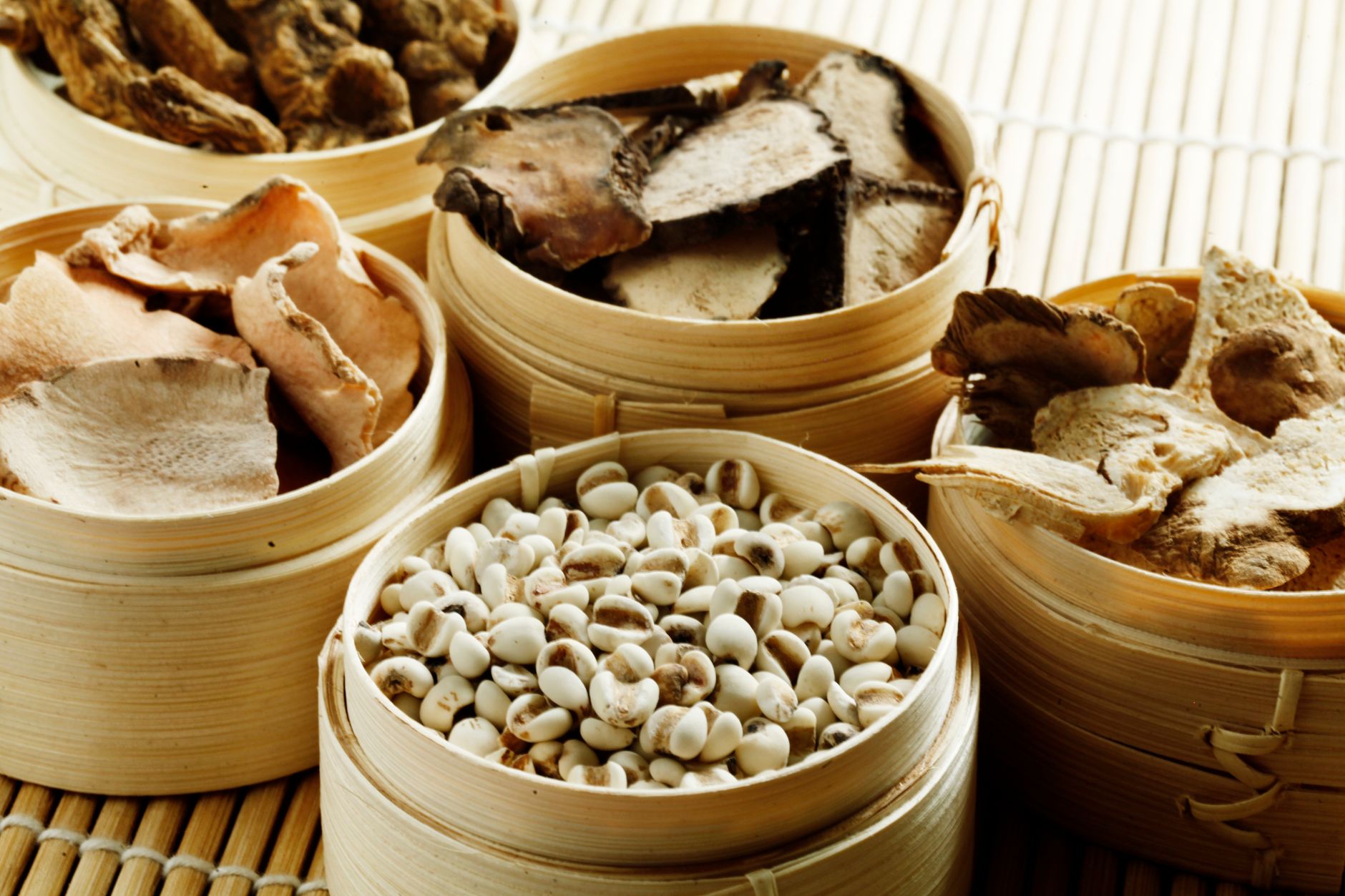
Traditional, Complementary and Integrative Medicine encompasses healing practices that have been passed down through generations, often predating modern Western medicine. This includes systems like Ayurveda from India, Traditional Chinese Medicine, herbal remedies, acupuncture, yoga, meditation, and various indigenous healing practices. TCIM also covers complementary therapies that work alongside conventional medicine to provide holistic patient care.
Unlike conventional medicine that typically focuses on treating specific symptoms or diseases, TCIM approaches health from a whole-person perspective, considering physical, mental, emotional, and sometimes spiritual aspects of wellbeing.
Why BRICS Nations Are Taking the Lead
The BRICS countries collectively represent over 40 percent of the world's population and possess rich traditions of indigenous medicine. India's Ayurveda and Yoga, China's acupuncture and herbal medicine, Brazil's traditional Amazonian remedies, Russia's phytotherapy traditions, and South Africa's indigenous healing practices all contribute valuable knowledge to global healthcare.
These nations recognize that their traditional medicine systems offer:
- Cost-effective healthcare solutions for large populations
- Time-tested remedies for chronic conditions
- Preventive healthcare approaches
- Cultural preservation of ancient knowledge
- Reduced dependency on expensive pharmaceutical interventions
- Sustainable and locally available treatment options
The Expert Working Group's Role
The formation of an expert working group signals a structured approach to strengthening TCIM across member nations. This group is expected to focus on several critical areas:
**Standardization and Quality Control**: Establishing common standards for traditional medicine products, ensuring safety, efficacy, and quality across borders. This addresses one of the major criticisms of traditional medicine—the lack of standardized protocols.
**Research and Evidence Building**: Conducting collaborative research to scientifically validate traditional practices. By pooling resources and expertise, BRICS nations can generate robust clinical evidence that meets international standards.
**Knowledge Exchange**: Creating platforms for practitioners, researchers, and policymakers to share best practices, research findings, and regulatory frameworks. This cross-pollination of ideas can accelerate innovation in TCIM.
**Education and Training**: Developing unified curricula and training programs for TCIM practitioners, ensuring they meet professional standards while preserving traditional knowledge transmission methods.
**Regulatory Harmonization**: Working toward compatible regulatory frameworks that facilitate the safe practice of traditional medicine while protecting consumers from quackery and unsafe products.
Global Health Implications
The World Health Organization has long advocated for integrating traditional medicine into national health systems, particularly in regions where it remains the primary form of healthcare for millions. The WHO's Traditional Medicine Strategy recognizes that nearly 80 percent of people in some developing countries rely on traditional medicine for primary healthcare.
By strengthening TCIM, BRICS nations could offer alternative models for:
- Managing the rising burden of chronic diseases like diabetes, cardiovascular conditions, and mental health disorders
- Providing affordable healthcare in rural and underserved areas
- Reducing antibiotic resistance by promoting alternative treatments where appropriate
- Addressing wellness and preventive care, potentially reducing healthcare costs long-term
Challenges Ahead
Despite the promise, the TCIM initiative faces several hurdles. Integrating traditional practices with evidence-based modern medicine requires careful navigation. Skeptics often point to the lack of rigorous scientific validation for many traditional remedies, while proponents argue that absence of evidence is not evidence of absence.
Intellectual property rights present another challenge, as traditional knowledge is often communal and passed down orally. Protecting this knowledge from biopiracy while making it accessible for research and development requires sensitive policy frameworks.
Additionally, ensuring that traditional medicine does not become a substitute for necessary modern medical interventions—particularly in emergencies or acute conditions—remains a critical balance to strike.
Looking Forward
The BRICS collaboration on TCIM could reshape global healthcare conversations, particularly as countries worldwide seek sustainable, accessible, and culturally appropriate health solutions. If successful, this framework might serve as a model for other regional blocs and developing nations looking to leverage their traditional knowledge systems.
As healthcare costs spiral globally and chronic diseases become more prevalent, the integration of traditional and modern medicine may offer a more holistic, affordable path forward for billions of people.
This article provides general information about healthcare policy developments and should not be considered medical advice. Always consult qualified healthcare professionals for medical decisions and treatment options.