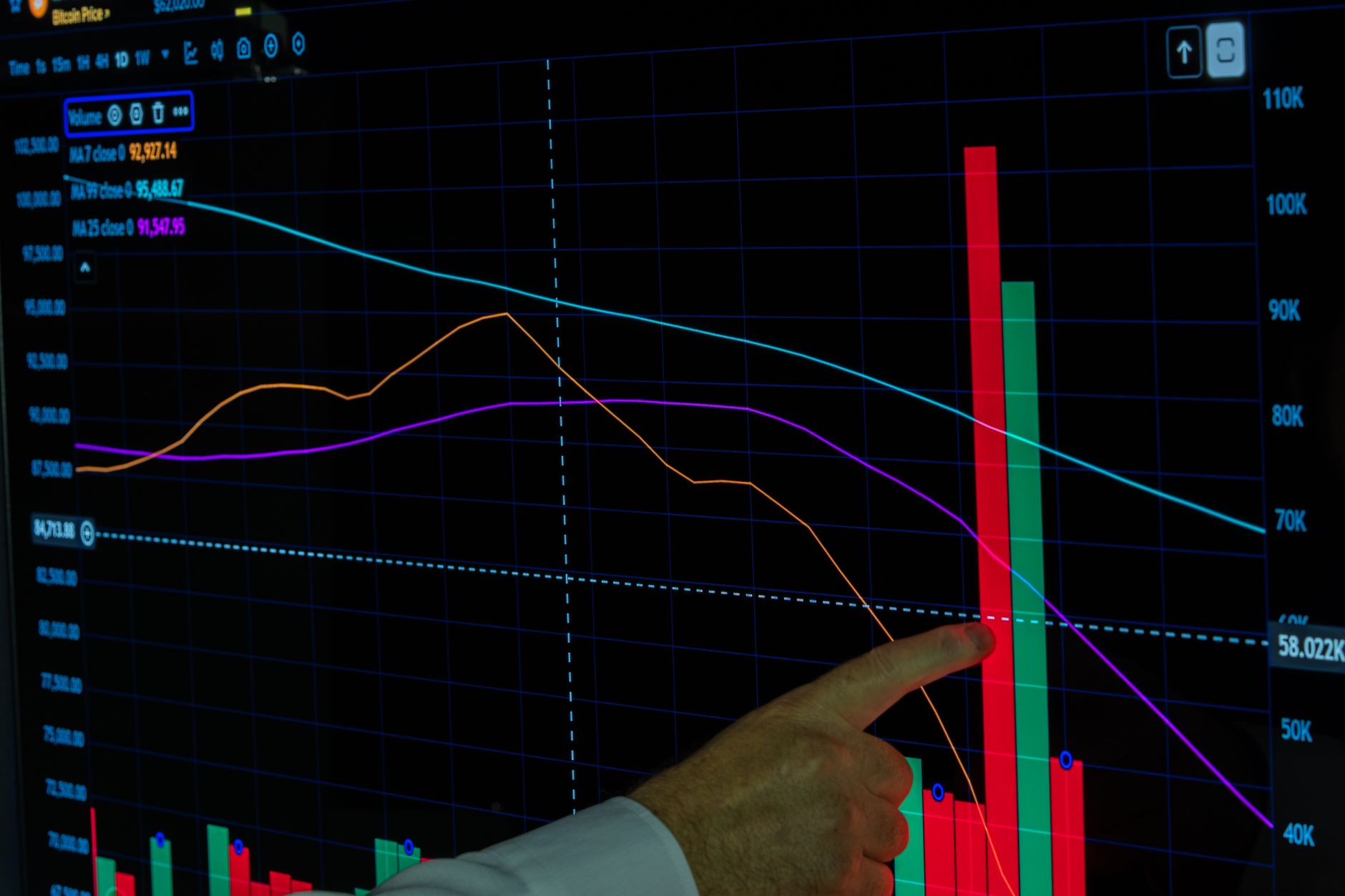

Artificial intelligence has infiltrated nearly every aspect of modern life, and personal finance is no exception. Robo-advisors, AI-powered budgeting apps, and algorithm-driven investment platforms promise cheaper, faster, and more accessible financial guidance. But as these technologies advance, a fundamental question emerges: can machines truly replace the human financial adviser?
The Rise of AI in Personal Finance
AI has made remarkable inroads into financial services over the past decade. Robo-advisors like Betterment and Wealthfront manage billions in assets by using algorithms to create diversified portfolios based on risk tolerance and goals. In India, platforms such as Groww and Zerodha have integrated AI features to help users make informed investment decisions.
These tools offer undeniable advantages. They are available around the clock, charge significantly lower fees than traditional advisers, and eliminate human bias from investment decisions. For straightforward financial tasks like rebalancing portfolios, tracking expenses, or calculating retirement needs, AI performs admirably.
Machine learning algorithms can analyse vast datasets far beyond human capability, identifying patterns in market behaviour and optimising tax strategies with remarkable efficiency. For young investors with simple financial situations and limited capital, these platforms provide an excellent entry point into wealth building.
Where AI Falls Short
Despite these capabilities, AI struggles with the nuanced, deeply personal aspects of financial planning. Money is rarely just about numbers—it is intertwined with emotions, family dynamics, life transitions, and individual values.
Consider a couple navigating divorce, a family dealing with inheritance decisions, or someone facing a career change. These situations require empathy, active listening, and the ability to ask probing questions that uncover underlying concerns. An algorithm cannot sense when a client is anxious, confused, or hiding important information.
Human advisers excel at understanding context. They recognise that a 30-year-old's retirement plan might shift dramatically after the birth of a child, or that an elderly client's investment strategy should account for healthcare costs and legacy planning. These insights emerge from conversation and relationship-building, not data analysis alone.
The Behavioural Finance Advantage
One of the most valuable roles human advisers play is as behavioural coaches. Studies consistently show that investors who work with advisers tend to stay the course during market volatility, avoiding panic selling that destroys long-term returns.
During the 2020 market crash, for instance, many DIY investors and robo-advisor users sold at the bottom, while those with human advisers were more likely to maintain their strategies. A reassuring phone call from a trusted professional can be worth far more than perfect algorithmic allocation.
Human advisers also help clients confront uncomfortable truths. They can challenge unrealistic expectations, point out overspending patterns, and facilitate difficult family conversations about money. These interventions require emotional intelligence that current AI simply does not possess.
The Hybrid Future
Rather than replacement, the future likely holds collaboration between AI and human advisers. Many forward-thinking financial planners already use AI tools to handle routine tasks—data analysis, portfolio rebalancing, compliance checks—freeing them to focus on relationship management and strategic advice.
This hybrid model offers the best of both worlds: the efficiency and data-processing power of AI combined with the empathy and judgement of human professionals. Younger or less complex clients might start with robo-advisors and graduate to human advice as their situations become more sophisticated.
Making the Right Choice
For individuals deciding between AI and human advisers, several factors matter. Those with straightforward finances, comfort with technology, and disciplined investment habits may thrive with robo-advisors. People facing complex situations—business ownership, estate planning, tax optimisation across multiple income streams—will likely benefit from human expertise.
Fee structures also vary significantly. While robo-advisors typically charge between 0.25 and 0.50 percent of assets, human advisers may charge 1 percent or more. However, good advice during major financial decisions can easily justify the premium.
Trust remains crucial. Many people simply feel more comfortable discussing sensitive financial matters with another person rather than an interface. This psychological comfort should not be dismissed as irrational—it contributes to better adherence to financial plans and ultimately better outcomes.
The Verdict
AI is a powerful tool that has democratised access to basic financial services and will continue improving. However, the complexity of human life, the emotional dimensions of money, and the need for personalised guidance mean that financial advisers are not facing obsolescence.
The most successful approach for most people will involve using technology for efficiency while maintaining human relationships for wisdom, particularly during life's pivotal financial moments.
This article is for general informational purposes only and does not constitute financial advice. Individuals should consult qualified financial professionals regarding their specific circumstances before making investment or planning decisions.