
The Union Health Ministry's virtual review of Kerala's health programmes marks an important step in ensuring effective coordination between central and state governments in delivering healthcare services. Such high-level reviews have become increasingly common as India works towards universal health coverage and strengthening its public health infrastructure.
The Purpose of Central-State Health Reviews
Regular review meetings between union and state health ministers serve multiple critical functions. These sessions allow the central government to monitor the implementation of centrally-sponsored schemes, identify bottlenecks in service delivery, and provide necessary support to states. For states like Kerala, which has historically maintained strong health indicators, these reviews offer an opportunity to showcase best practices while also highlighting areas requiring additional resources or policy interventions.
The virtual format has become the preferred mode for such meetings, particularly since the pandemic, as it enables frequent engagement without the logistical challenges of physical meetings. This increased frequency of interaction has generally improved coordination and faster decision-making on health matters.
Key Health Programmes Under Review
Several major national health programmes likely formed the agenda of this review meeting. The Ayushman Bharat scheme, India's flagship health insurance programme, provides coverage of up to Rs 5 lakh per family per year for secondary and tertiary hospitalization. States play a crucial role in enrolling beneficiaries and empanelling hospitals under this scheme.
The National Health Mission continues to be the backbone of primary and secondary healthcare delivery across India. It focuses on strengthening health systems, improving infrastructure at district hospitals and community health centres, and ensuring availability of essential medicines and diagnostics.
Other programmes that typically feature in such reviews include:
- The National Tuberculosis Elimination Programme aiming to end TB by 2025
- Maternal and child health initiatives under the Reproductive and Child Health programme
- National programmes for prevention and control of communicable and non-communicable diseases
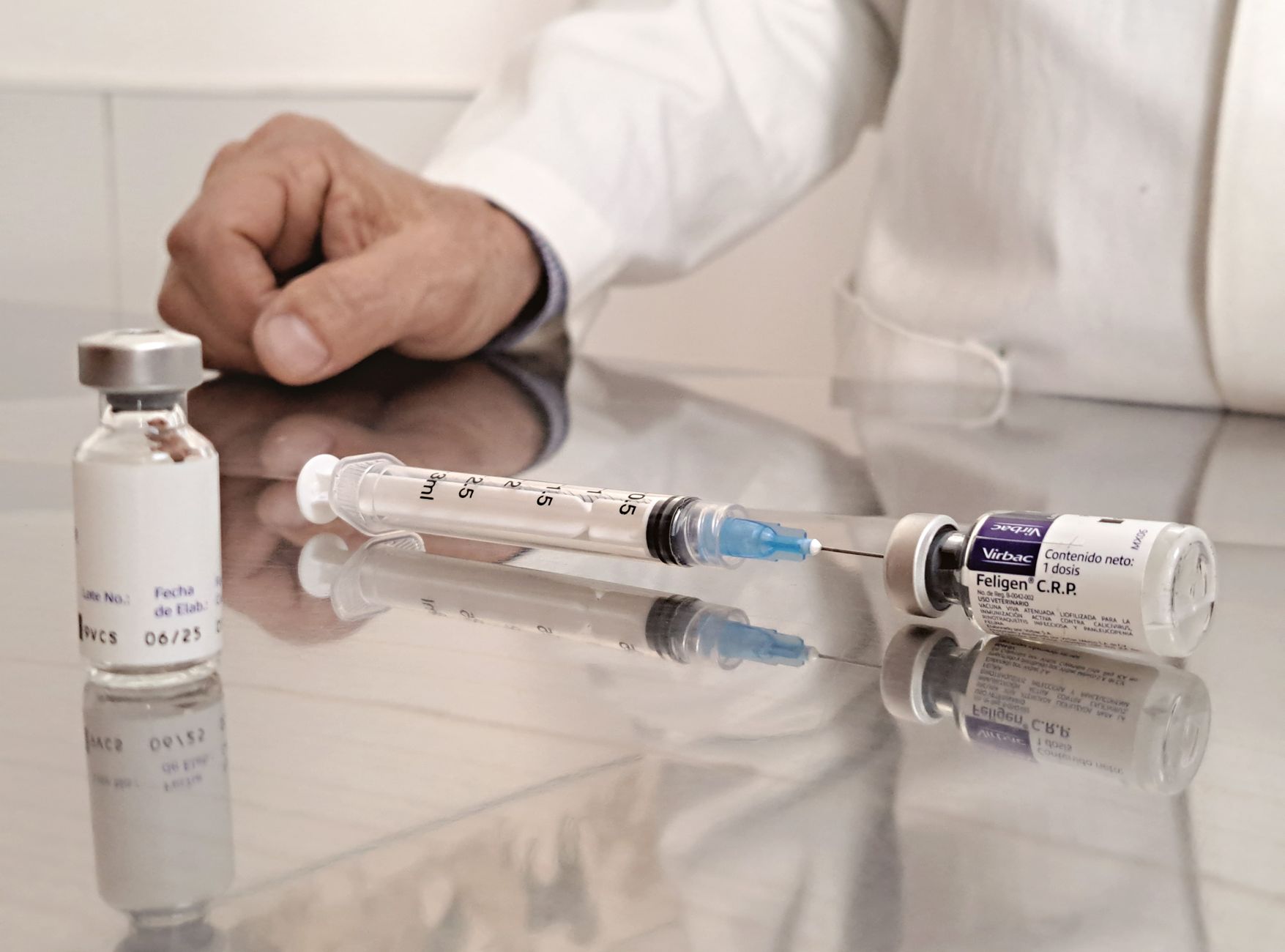
- Vaccination drives and immunization coverage expansion
- AYUSH integration into mainstream healthcare delivery
Kerala's Healthcare Landscape
Kerala has consistently ranked among India's top-performing states in health indicators. The state boasts high life expectancy, low infant and maternal mortality rates, and near-universal literacy. Its healthcare system features a robust network of public health facilities alongside a thriving private sector.
However, Kerala also faces unique challenges. The state has a rapidly aging population, leading to increased burden of non-communicable diseases such as diabetes, hypertension, and cardiovascular conditions. The cost of healthcare has been rising, and managing the balance between public and private sector healthcare delivery remains an ongoing challenge.
The state's experience during the COVID-19 pandemic drew international attention for its initial contact tracing and containment efforts, though later waves tested its healthcare infrastructure significantly.
Focus Areas for Implementation
During such review meetings, several aspects of programme implementation receive attention. Fund utilization rates indicate how effectively states are deploying allocated budgets. Delays in fund usage often point to administrative hurdles or gaps in planning.
Infrastructure development, particularly at the primary and secondary care levels, requires continuous monitoring. This includes ensuring functionality of existing facilities, construction of new health centres in underserved areas, and maintenance of medical equipment.
Human resource availability remains a persistent challenge across India. Reviewing the filling of sanctioned posts for doctors, nurses, and paramedical staff, and addressing attrition rates, forms an essential part of these discussions.
The Path Forward
High-level reviews between union and state health ministers are not merely administrative exercises but strategic opportunities to align health priorities, share innovations, and address systemic challenges. For Kerala, maintaining its health achievements while preparing for demographic transitions and emerging disease patterns requires sustained investment and policy focus.
The outcomes of such meetings typically translate into action points with timelines, additional resource allocations where justified, and policy refinements based on ground-level feedback. As India works towards its health targets under the Sustainable Development Goals and national health policy frameworks, strong central-state coordination remains indispensable.
This article is for general informational purposes only. For specific information about health programmes, eligibility criteria, or accessing healthcare services, please consult official government sources or contact relevant health departments directly.