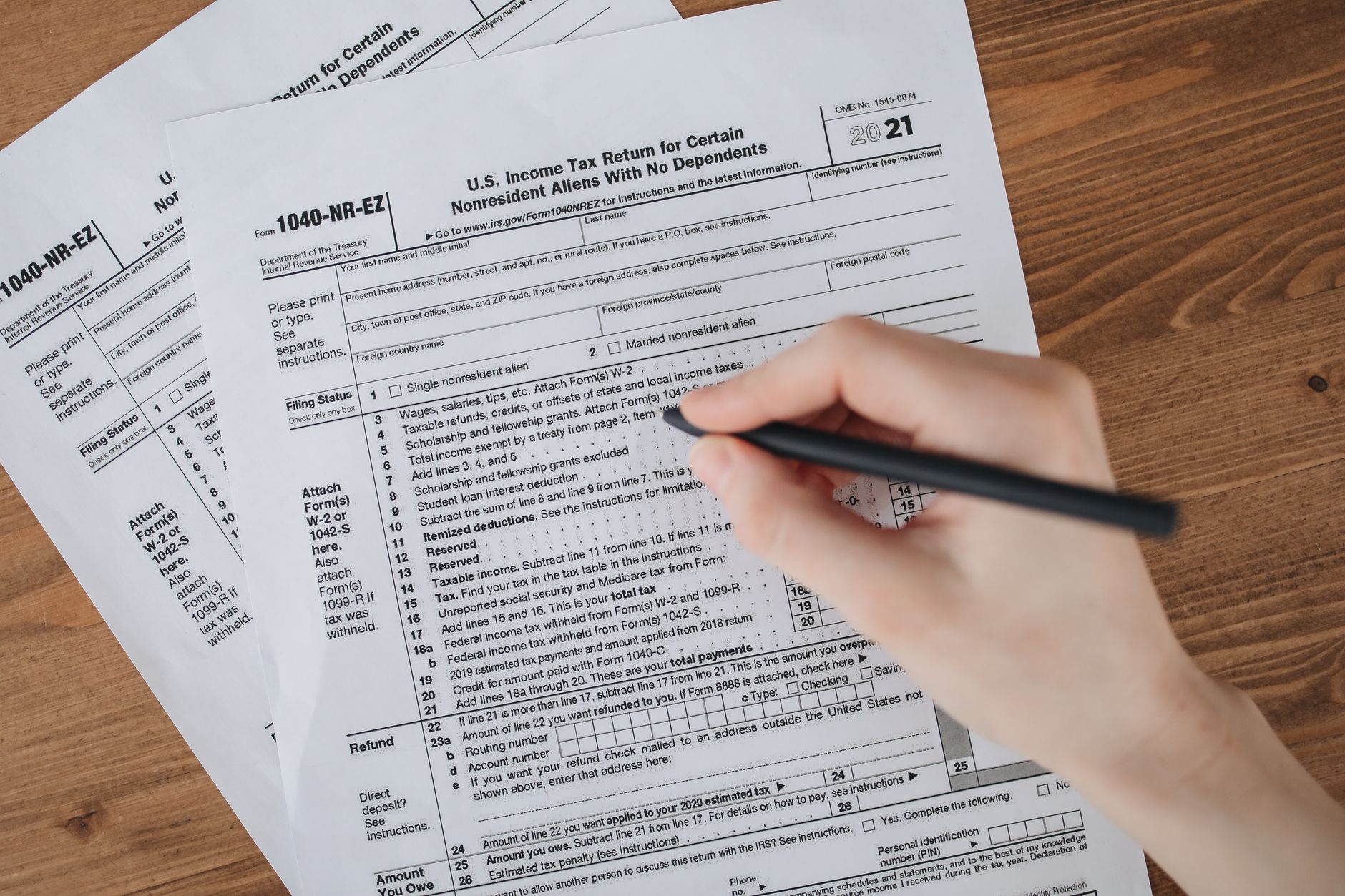

The Union government's move to table new Income Tax and MSME Bills in Parliament signals significant policy shifts that could impact millions of taxpayers and small business owners across India. While the exact provisions remain to be debated, such legislative initiatives typically aim to modernize existing frameworks, address long-standing grievances, and align fiscal policies with current economic realities.
Background of Tax Reform in India
India's income tax system has undergone numerous changes since independence, with periodic reforms attempting to simplify compliance, broaden the tax base, and improve revenue collection. The current Income Tax Act of 1961 has been amended hundreds of times, creating a complex web of provisions that often confuse taxpayers and create compliance burdens.
Recent years have seen the government push toward digitalization and simplification, including the introduction of new tax regimes with lower rates but fewer deductions. Any fresh legislation likely builds on these efforts while addressing gaps in the current framework.
What Income Tax Bill Changes Might Include
Proposed income tax legislation typically focuses on several key areas that affect individual and corporate taxpayers alike.
Simplification of tax slabs remains a priority, with potential rationalization of income brackets to make the system more progressive and easier to understand. The government may consolidate existing rates or adjust thresholds to provide relief to middle-income groups while maintaining revenue targets.
Deductions and exemptions often receive attention in tax reforms. The bill might clarify which deductions remain available, potentially phasing out some while introducing new ones aligned with policy priorities like savings, insurance, or green investments.
Compliance procedures could see significant changes, with digital filing and assessment processes becoming mandatory for more categories of taxpayers. This aligns with the broader push toward faceless assessments and reduced human interface in tax administration.
MSME Sector and Policy Importance
Micro, Small, and Medium Enterprises form the backbone of Indian economy, contributing approximately 30 percent to GDP and employing over 110 million people. These businesses face unique challenges including access to credit, delayed payments, regulatory compliance costs, and competition from larger players.
Previous MSME-focused legislation has addressed classification criteria, payment timelines, and support mechanisms. Any new bill likely strengthens these provisions while introducing contemporary measures to boost competitiveness.
Expected MSME Bill Provisions
Legislative changes for MSMEs typically address funding access, with potential provisions for easier credit availability, interest subventions, or guarantees for small business loans. Banks and financial institutions might receive clearer mandates for MSME lending quotas.
Payment discipline remains critical, as delayed payments from larger companies and government departments severely impact MSME cash flows. Stricter enforcement of the 45-day payment rule, with penalties for violations, could feature prominently.
Registration and compliance simplification helps reduce the administrative burden on small businesses. Single-window clearances, unified registration systems, and reduced documentation requirements make it easier to start and operate MSMEs.
Technology adoption incentives may include subsidies or tax benefits for MSMEs investing in digitalization, automation, or upgrading to environmentally sustainable processes.
Implications for Taxpayers
Individual taxpayers should monitor whether the new income tax provisions affect their tax liability, particularly regarding slab rates, standard deductions, and common exemptions like house rent allowance or interest on home loans.
Salaried employees might see changes in TDS rules, Form 16 formats, or investment declaration procedures that require adjustment in financial planning strategies.
Business owners and professionals could face altered presumptive taxation schemes, changes in business expense deductibility, or modified capital gains treatment.
Impact on MSME Sector
Small business owners should prepare for potential changes in classification criteria, which determine eligibility for various schemes and benefits. The investment and turnover thresholds that define micro, small, and medium enterprises might be revised.
Manufacturing and service sector MSMEs could see differential treatment under new provisions, with specific incentives targeted at priority sectors like electronics, textiles, or food processing.
Export-oriented MSMEs might receive additional support through duty drawbacks, easier export credit, or simplified customs procedures.
Parliamentary Process Ahead
Once tabled, these bills undergo detailed scrutiny through parliamentary committees, where stakeholders including industry bodies, tax experts, and citizen groups provide inputs. Amendments often result from this consultative process before final passage.
The implementation timeline varies, with some provisions becoming effective immediately upon enactment while others require rules, notifications, and system readiness before taking effect.
Preparing for Changes
Taxpayers and business owners should stay informed about the bills' progress through Parliament, consult with tax advisors about potential impacts, and prepare necessary documentation or system changes to ensure smooth transition when new provisions become law.
This article provides general information about potential legislative changes and should not be considered as tax, legal, or financial advice. Readers should consult qualified professionals for guidance specific to their circumstances.