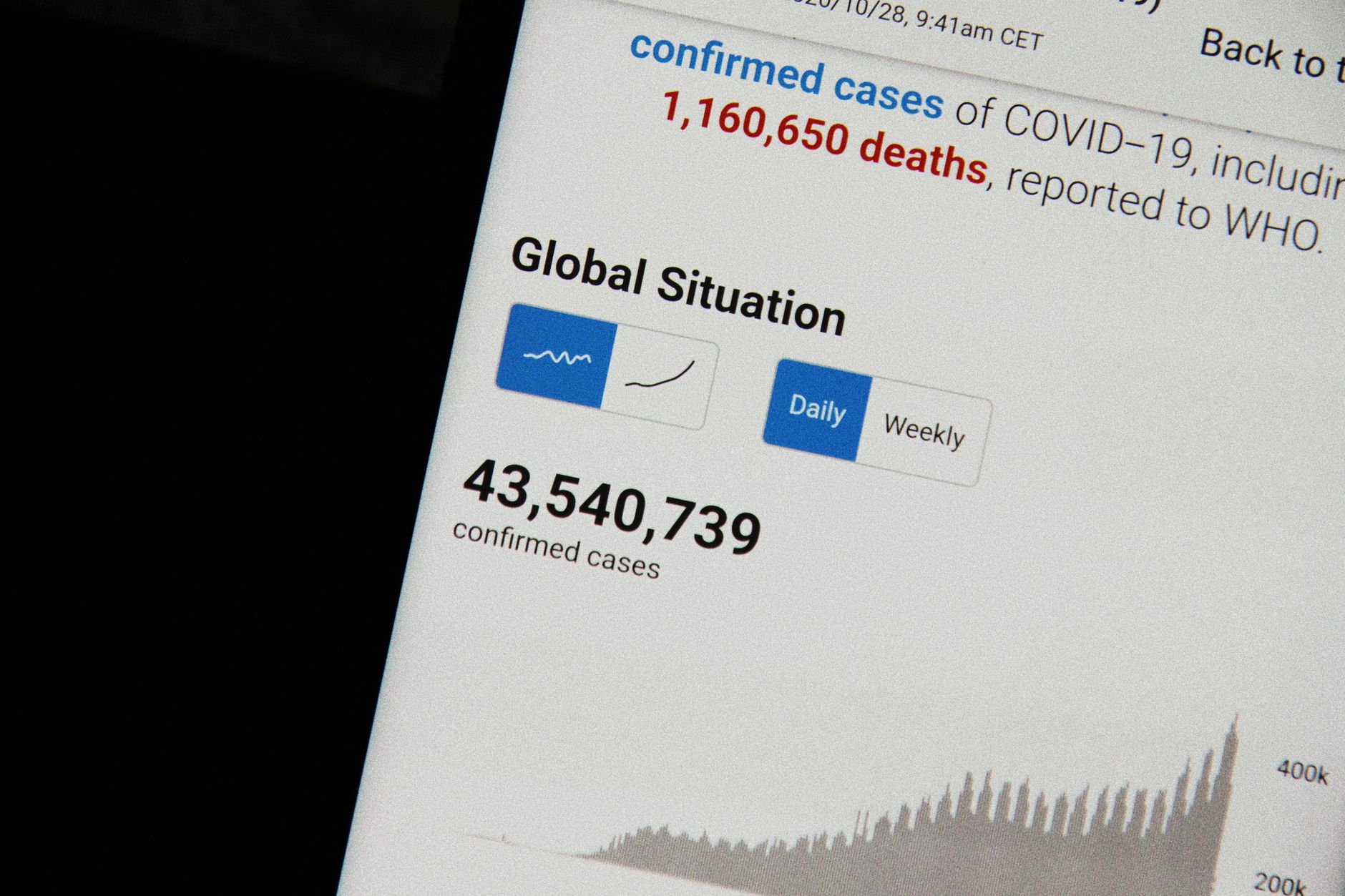
The recent rise in Covid-19 cases has once again brought health insurance coverage into sharp focus. While most health insurance policies in India now cover Covid-related hospitalizations, there remain several grey areas and explicit exclusions that policyholders should be aware of to avoid unpleasant financial surprises.
Understanding Basic Covid Coverage
Since the pandemic began, insurance regulators mandated that all health insurance policies must cover Covid-19 treatment just like any other illness. This means hospitalization costs, ICU charges, and related medical expenses are typically covered subject to your policy's sum insured and terms. However, the devil lies in the details, and several aspects of Covid treatment may not find coverage under standard policies.
Home Treatment and Quarantine Costs
One of the most significant gaps in coverage relates to home-based treatment. Many Covid cases, especially with newer variants, are mild enough to be managed at home with isolation, medicines, and monitoring. Most standard health insurance policies do not cover outpatient treatment or home quarantine expenses unless you have specifically opted for add-on covers or domiciliary hospitalization benefits.
Costs like oxygen concentrators purchased for home use, pulse oximeters, basic medications, and doctor consultation fees during home isolation typically come out of your pocket. Some insurers introduced special Covid-specific plans that covered home treatment, but these were often standalone products with limited benefits.
Pre-Existing Condition Waiting Periods
If you have a new health insurance policy, pre-existing conditions usually have a waiting period of two to four years. While Covid-19 itself is not a pre-existing condition, complications arising from underlying health issues may fall into this category. For instance, if someone with pre-existing diabetes develops severe complications during Covid treatment, insurers might scrutinize claims related to diabetic complications if the waiting period hasn't elapsed.
Asymptomatic Testing and Preventive Care
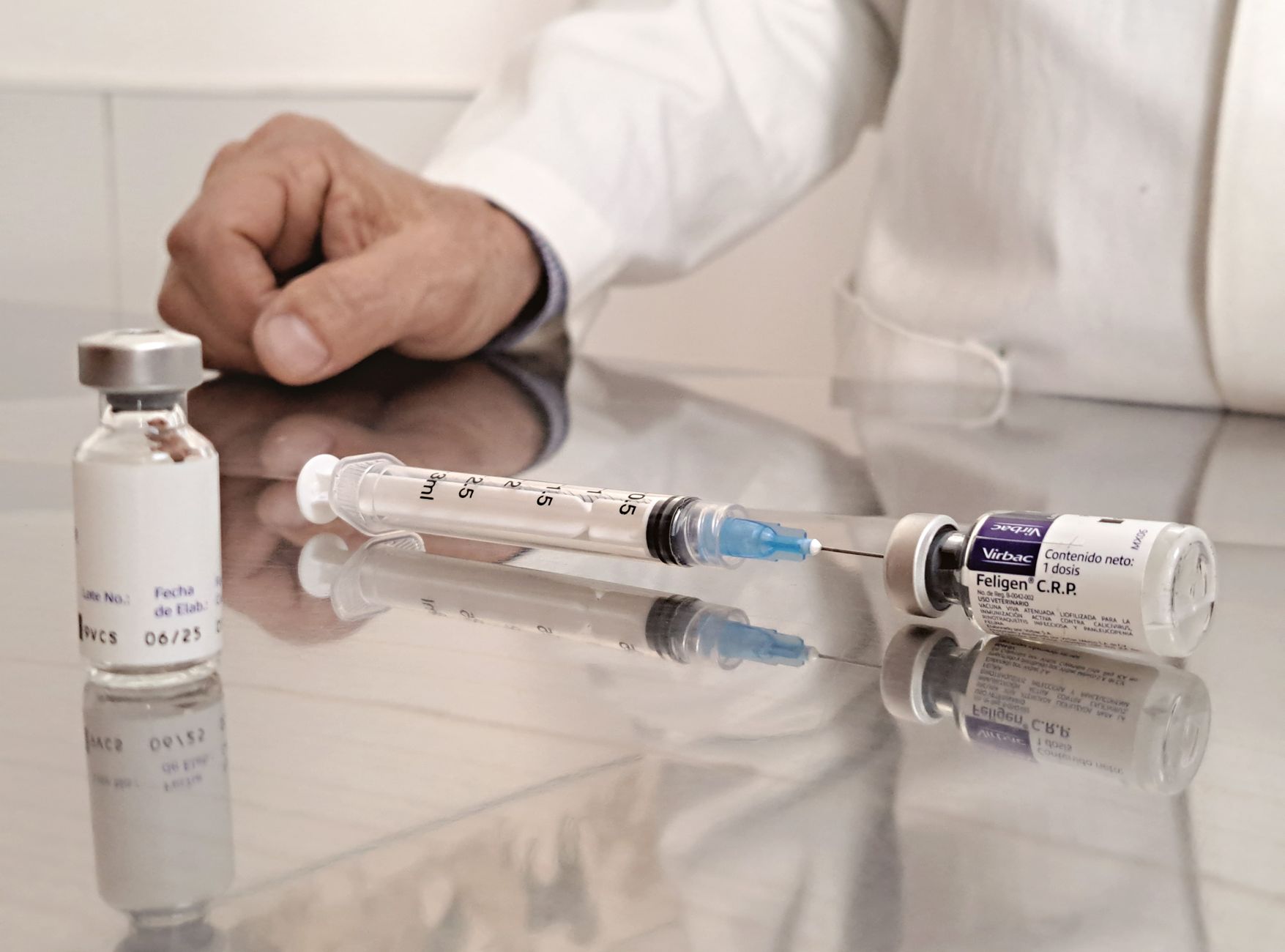
Routine Covid testing for asymptomatic individuals, whether for travel purposes, workplace requirements, or personal peace of mind, is not covered by health insurance. Preventive care generally falls outside the scope of standard health policies. Similarly, costs associated with Covid vaccines or booster doses are not typically reimbursed by health insurance, as these fall under preventive healthcare.
Investigational Treatments and Unapproved Drugs
During Covid waves, various experimental treatments and off-label drug uses gained attention. Health insurance policies generally do not cover investigational or experimental treatments that lack regulatory approval or established medical protocols. If a treatment is not part of standard medical practice or not approved by relevant authorities, insurers may reject claims related to those expenses.
Quarantine Facility Costs
Government-mandated quarantine facility stays, especially for international travelers or contacts of positive cases, are usually not covered by health insurance unless they involve actual medical treatment. If you're placed in a quarantine facility merely for isolation without active medical intervention, the accommodation and food costs typically aren't reimbursable.
AYUSH and Alternative Treatment
While some comprehensive policies now include AYUSH (Ayurveda, Yoga, Unani, Siddha, Homeopathy) treatment, many standard policies still exclude these alternative treatment modalities. If you choose to pursue Covid treatment through alternative medicine systems, verify whether your policy covers such expenses beforehand.
Sub-Limits and Co-Payment Clauses
Even when Covid treatment is covered, policies often have sub-limits on specific expenses like room rent, ICU charges, or ambulance costs. If your actual expenses exceed these sub-limits, you'll need to pay the difference. Senior citizen policies and some base plans also include co-payment clauses requiring you to bear a percentage of the claim amount, typically 10-30 percent.
Pre and Post-Hospitalization Exclusions
Standard policies cover pre-hospitalization expenses for 30-60 days and post-hospitalization for 60-90 days. However, any Covid-related expenses incurred outside these windows won't be covered. Extended recovery costs or long Covid symptoms requiring ongoing outpatient care beyond the specified period become your responsibility.
What You Can Do
Review your health insurance policy document carefully to understand specific exclusions and coverage limits. Consider adding riders or top-up plans to bridge coverage gaps. Maintain adequate emergency funds for out-of-pocket medical expenses. Keep all medical bills, prescriptions, and documentation organized for smooth claim processing.
This article is for general informational purposes only and should not be considered as professional medical or insurance advice. Policy terms vary significantly between insurers and specific plans. Always consult with your insurance provider or a qualified insurance advisor to understand your specific coverage details and exclusions.