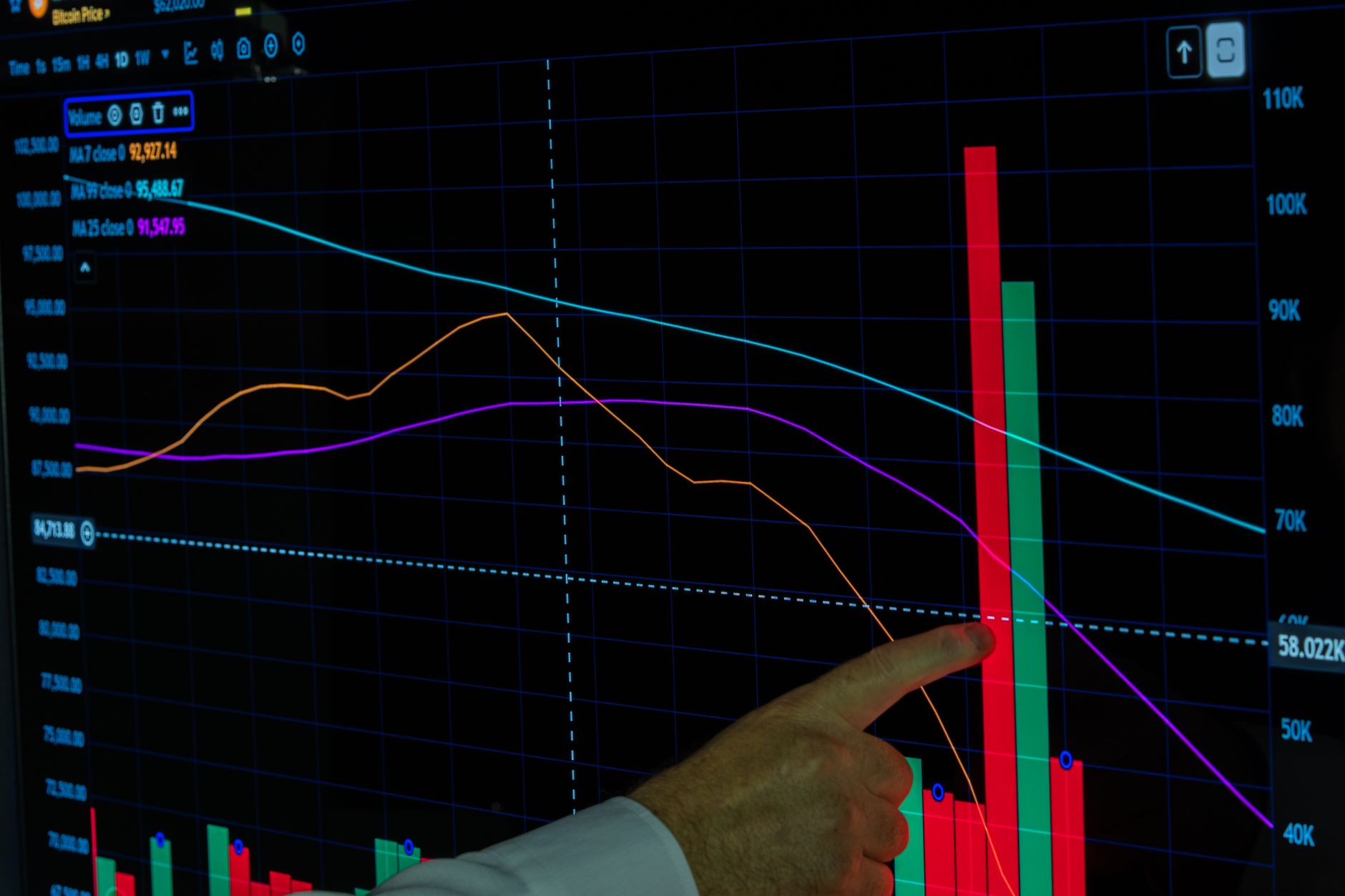

Foreign institutional investors (FIIs) have begun trickling back into Indian equity markets after one of the most significant capital outflows in recent memory. The $60 billion exodus, which rattled markets and tested investor confidence, appears to be reversing as global fund managers reassess their positions on India.
Understanding the $60 Billion Withdrawal
The massive outflow from Indian equities was driven by several interconnected factors. Rising US Treasury yields made dollar-denominated assets more attractive, prompting a global reallocation away from emerging markets. Additionally, concerns about elevated valuations in Indian stocks, particularly in mid and small-cap segments, led many foreign investors to book profits after years of strong returns.
Geopolitical tensions, a strengthening dollar, and expectations of prolonged higher interest rates in developed markets further accelerated the exodus. Indian markets, which had been trading at premium valuations compared to other emerging market peers, became particularly vulnerable to this shift in global investor sentiment.
Signs of Revival
Recent data suggests that FIIs are cautiously re-entering Indian markets. Net inflows, though modest compared to the outflows, indicate a potential turning point. Several factors are contributing to this renewed interest:
- Stabilization of global interest rate expectations with major central banks signaling a pause in rate hikes
- Attractive valuations following the market correction, with several quality stocks trading at more reasonable multiples
- India's robust macroeconomic fundamentals including strong GDP growth projections
- Weakening of the US dollar against emerging market currencies
- Corporate earnings showing resilience despite global headwinds
What This Means for Individual Investors
The return of foreign money to Indian equities carries important implications for retail and domestic institutional investors. FII activity typically influences market sentiment and can drive short-term price movements. However, individual investors should maintain a balanced perspective.
A sustained return of foreign investment could provide support to market valuations and reduce volatility. Sectors that saw the heaviest selling during the outflow period, including information technology, pharmaceuticals, and certain consumer discretionary segments, may benefit from renewed interest.
The Caution Flag
Despite early positive signs, experts warn against excessive optimism. The return of FIIs remains tentative and could reverse if global conditions deteriorate. Factors that could derail this nascent recovery include:
- Unexpected inflation resurgence in developed economies
- Escalation of geopolitical conflicts
- Disappointing corporate earnings in India
- Further strengthening of the US dollar
- Policy uncertainties or regulatory changes
Domestic Investor Resilience
One silver lining from the recent FII exodus has been the remarkable resilience shown by domestic investors. Mutual fund systematic investment plans (SIPs) continued to pour money into markets, and retail investors increasingly stepped in to absorb foreign selling. This shift has reduced India's dependence on foreign flows and created a more stable investor base.
Strategic Considerations for Your Portfolio
Rather than making portfolio decisions based solely on FII activity, investors should focus on fundamentals. The temporary return of foreign funds should not trigger knee-jerk reactions or attempts to time the market.
Consider maintaining a disciplined investment approach with regular contributions through SIPs, which help average out costs across market cycles. Diversification across sectors, market capitalizations, and asset classes remains crucial regardless of short-term foreign fund flows.
Quality companies with strong balance sheets, consistent earnings growth, and sustainable business models tend to attract long-term investors, both domestic and foreign. Focus on such fundamentals rather than short-term flow patterns.
Looking Ahead
The early signs of FII return should be viewed as one data point among many. India's long-term growth story remains compelling, supported by favorable demographics, digital transformation, infrastructure development, and policy reforms. These structural factors will ultimately determine sustained foreign investment interest.
Market participants should monitor upcoming corporate earnings, inflation trends, and global central bank policies for clearer directional signals. The interplay between domestic liquidity and foreign flows will continue to shape market dynamics in the coming months.
This article is for general informational purposes only and should not be construed as investment advice. Market conditions can change rapidly, and past performance does not guarantee future results. Readers should consult with qualified financial advisors before making investment decisions based on their individual circumstances and risk tolerance.