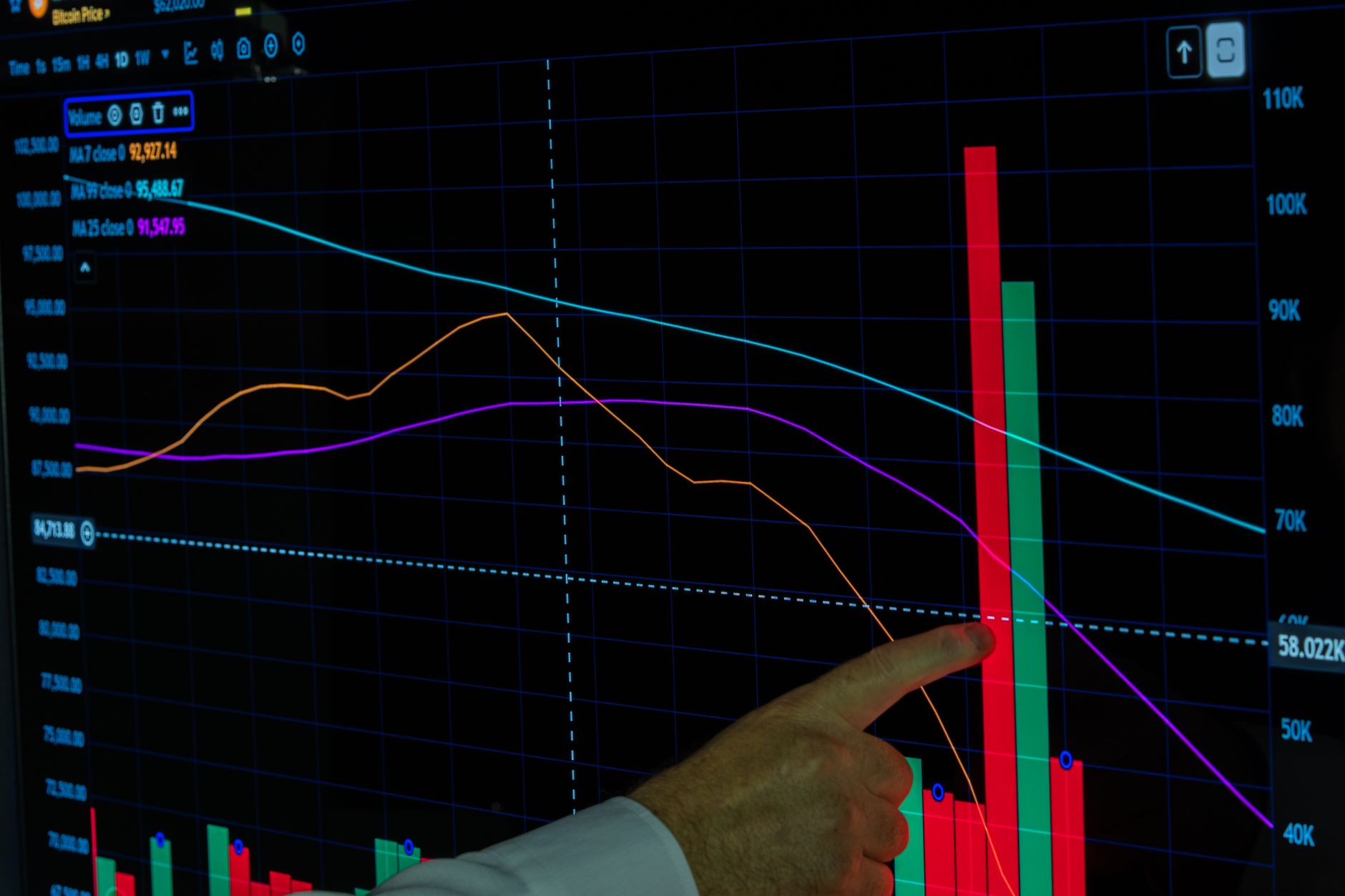
Precious metal prices have taken a sharp downturn in the Delhi market, catching the attention of investors and consumers alike. The recent decline of Rs 700 in gold prices and a substantial Rs 8,900 drop in silver rates marks one of the notable corrections in recent weeks, prompting many to reassess their investment strategies and purchasing decisions.
Understanding the Price Decline
The fall in precious metal prices typically stems from multiple interconnected factors operating simultaneously in global and domestic markets. The strengthening of the US dollar against major currencies, including the Indian rupee, often exerts downward pressure on gold and silver prices since these commodities are dollar-denominated. When the dollar gains strength, it becomes more expensive for holders of other currencies to purchase precious metals, thereby reducing demand.
Additionally, changes in US Federal Reserve policy expectations play a crucial role. When markets anticipate higher interest rates or a continuation of tight monetary policy, the opportunity cost of holding non-yielding assets like gold and silver increases, making them less attractive compared to interest-bearing instruments.
Impact on Indian Consumers and Investors
For Indian consumers, particularly those planning weddings or religious ceremonies where gold purchases are customary, this price correction could present a buying opportunity. The cultural significance of gold in India means that price dips often trigger increased physical demand, as consumers view lower prices as advantageous entry points.
However, investors holding gold and silver as part of their portfolio have witnessed a decline in their asset values. Those who purchased at higher price points may be experiencing paper losses, though long-term investors typically view such fluctuations as temporary market movements rather than fundamental shifts in value.
Silver's Sharper Decline
The more dramatic fall in silver prices compared to gold reflects the metal's dual nature as both a precious metal and an industrial commodity. Silver's industrial applications in electronics, solar panels, and various manufacturing processes make it more sensitive to economic growth expectations. Any concerns about slowing industrial activity or reduced manufacturing demand can trigger sharper price movements in silver compared to gold.
The gold-silver ratio, which indicates how many ounces of silver are needed to purchase one ounce of gold, fluctuates based on these relative price movements. A widening ratio suggests silver is becoming relatively cheaper compared to gold.
What Should Investors Consider?
Investors should remember that precious metals serve specific purposes in a diversified portfolio. They traditionally act as hedges against inflation and currency devaluation, while also providing portfolio diversification benefits due to their low correlation with equity markets.
Price volatility is inherent to commodity markets, and short-term fluctuations should be evaluated within the context of longer-term trends and individual investment objectives. Those investing in precious metals should consider their investment horizon, risk tolerance, and overall asset allocation strategy.
Buying Physical Gold vs. Paper Gold
The current price correction highlights the distinction between physical gold purchases and paper gold investments such as gold ETFs or sovereign gold bonds. Physical gold involves making charges and GST, which can be substantial, whereas paper gold investments typically offer more cost-efficient exposure to gold price movements.
For investors seeking to capitalize on current price levels, systematic investment approaches such as gold accumulation plans or regular SIP-style investments in gold ETFs can help average out purchase costs over time, reducing the impact of timing risk.
Looking Ahead
Precious metal prices remain influenced by global economic conditions, geopolitical tensions, inflation expectations, and currency movements. The recent correction does not necessarily indicate a sustained downtrend but rather reflects the dynamic nature of commodity markets responding to evolving economic data and policy signals.
Market participants should monitor key indicators including US economic data, Federal Reserve communications, global growth prospects, and domestic demand patterns during the upcoming festive and wedding seasons in India.
This article is for general information purposes only and should not be considered as financial advice. Readers should conduct their own research or consult with qualified financial advisors before making investment decisions regarding precious metals or any other financial instruments.