India's healthcare system is a vast and complex network involving government hospitals, private clinics, insurance schemes, out-of-pocket payments, and traditional medicine practitioners. Accurately measuring how much the country spends on health—and where that money comes from—is crucial for policy planning and international comparisons. But how exactly does India count its health spending?
The National Health Accounts Framework
India adopted the National Health Accounts (NHA) framework, a standardized methodology developed by the World Health Organization, to systematically track health expenditure. The NHA framework categorizes spending across three key dimensions: who finances healthcare (financing sources), who provides services (providers), and what types of services are delivered (functions).
The Ministry of Health and Family Welfare, through the National Health Systems Resource Centre, coordinates the NHA exercise. These accounts are compiled periodically, typically with a lag of two to three years due to the complexity of data collection and verification. The most recent comprehensive estimates provide detailed breakdowns of health spending across states, sectors, and disease categories.
Sources of Health Financing
India's health financing comes from three primary sources: government spending, private insurance and employer contributions, and out-of-pocket expenditure by households. Each requires different measurement approaches.
Government health spending is calculated by aggregating budgetary allocations and actual expenditure across central government schemes, state health budgets, and local body spending on health infrastructure and programs. This includes spending on flagship programs like Ayushman Bharat, immunization drives, disease control initiatives, and salaries for public health workers.
Private health expenditure encompasses insurance payments, corporate employee health benefits, and spending by non-profit organizations. These figures are gathered from insurance regulatory data, corporate financial statements, and surveys of charitable healthcare institutions.
The Out-of-Pocket Challenge
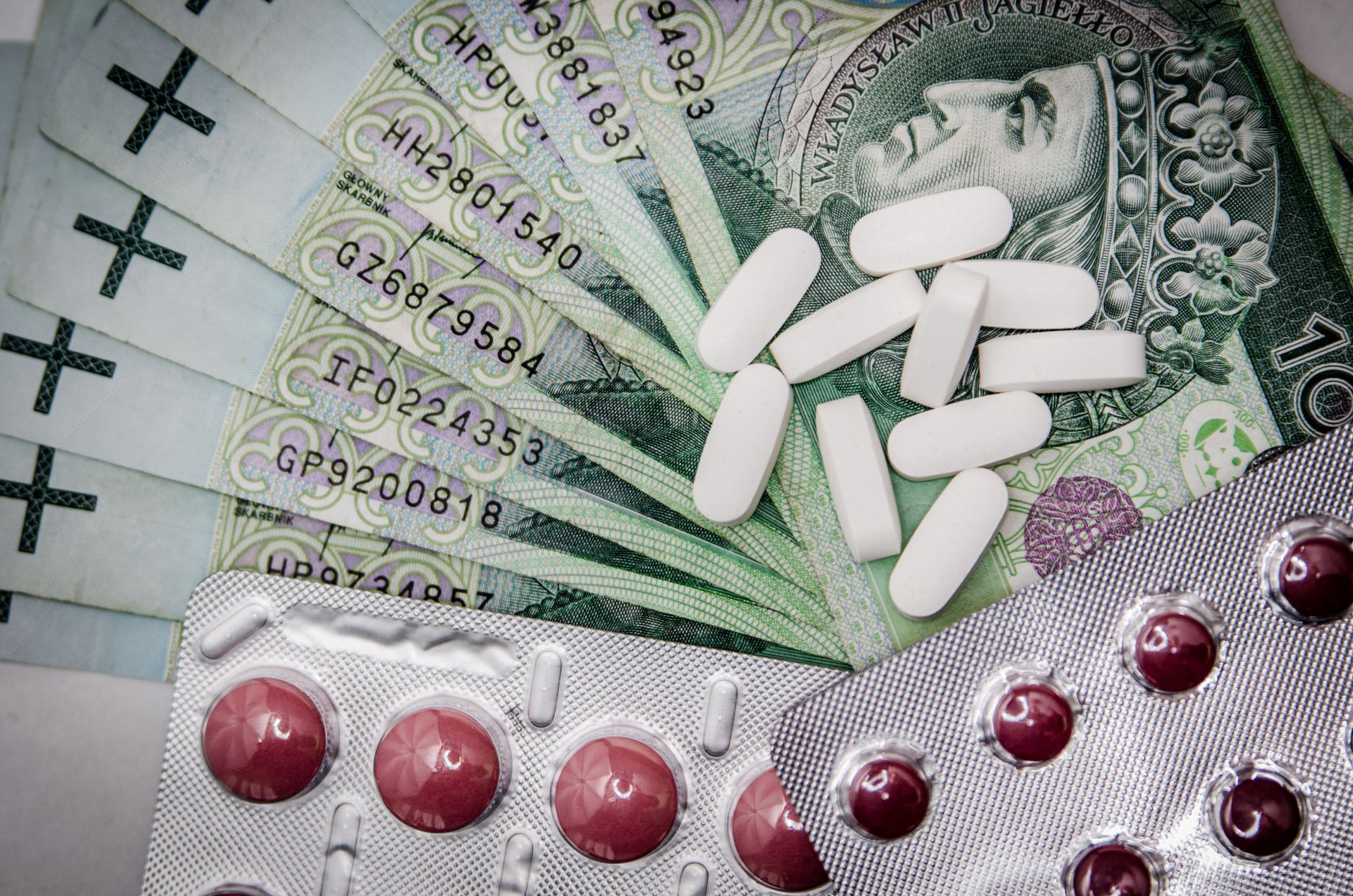
The largest component of India's health spending—and the most difficult to measure—is out-of-pocket expenditure by households. Indians directly pay for more than half of all healthcare consumed, including doctor consultations, medicines, diagnostic tests, and hospital bills not covered by insurance.
To estimate this spending, India relies on large-scale household surveys, particularly the National Sample Survey Organisation's (NSSO) surveys on health and consumer expenditure. These surveys collect data from thousands of households across rural and urban areas, recording their spending on various health services over specific reference periods.
However, households often underreport healthcare expenses, particularly for chronic conditions or informal providers. Small expenditures on over-the-counter medicines or consultations with local practitioners may go unrecorded. This measurement gap means official figures may underestimate true out-of-pocket spending.
Accounting for the Informal Sector
India's healthcare landscape includes millions of informal providers—unregistered practitioners, traditional medicine providers, pharmacists offering consultations, and village health workers. Capturing spending on these services presents significant challenges.
Unlike formal hospitals or clinics that maintain financial records, informal providers operate outside official documentation systems. Survey-based methods partially capture this spending when households report their expenses, but the full economic value of informal healthcare provision remains difficult to quantify precisely.
International Comparisons and Metrics
Once compiled, health accounts allow India to calculate key metrics used for international comparisons. Total Health Expenditure (THE) as a percentage of GDP indicates the overall economic resources devoted to health. Per capita health spending compares investment across countries with different population sizes.
General Government Health Expenditure (GGHE) as a percentage of total health spending reveals the government's role versus private funding. India's GGHE remains low compared to many countries, reflecting the high burden of out-of-pocket payments on households.
State-Level Variations
India's federal structure means health spending varies enormously across states. Some states invest heavily in public health infrastructure, while others have minimal government presence, forcing residents to rely on private providers. State-level health accounts help identify these disparities and inform resource allocation decisions.
Richer states generally spend more per capita on health, both through government budgets and private expenditure. However, some states achieve better health outcomes despite lower spending, suggesting efficiency differences in how resources are utilized.
Evolving Methodologies
As India's health system evolves—with expanding insurance coverage, digital health platforms, and new financing mechanisms—measurement methodologies must adapt. The integration of health insurance claims data, hospital management information systems, and pharmaceutical sales data offers opportunities for more frequent and accurate health spending estimates.
Improving the accuracy and timeliness of health accounts remains an ongoing challenge, requiring coordination across multiple government agencies, enhanced data systems, and periodic validation through surveys. Better measurement ultimately supports evidence-based policymaking to strengthen India's healthcare financing and delivery.
This article provides general information about health accounting methodologies in India and should not be considered as financial or policy advice. Readers should consult official government publications and expert sources for specific data and policy details.