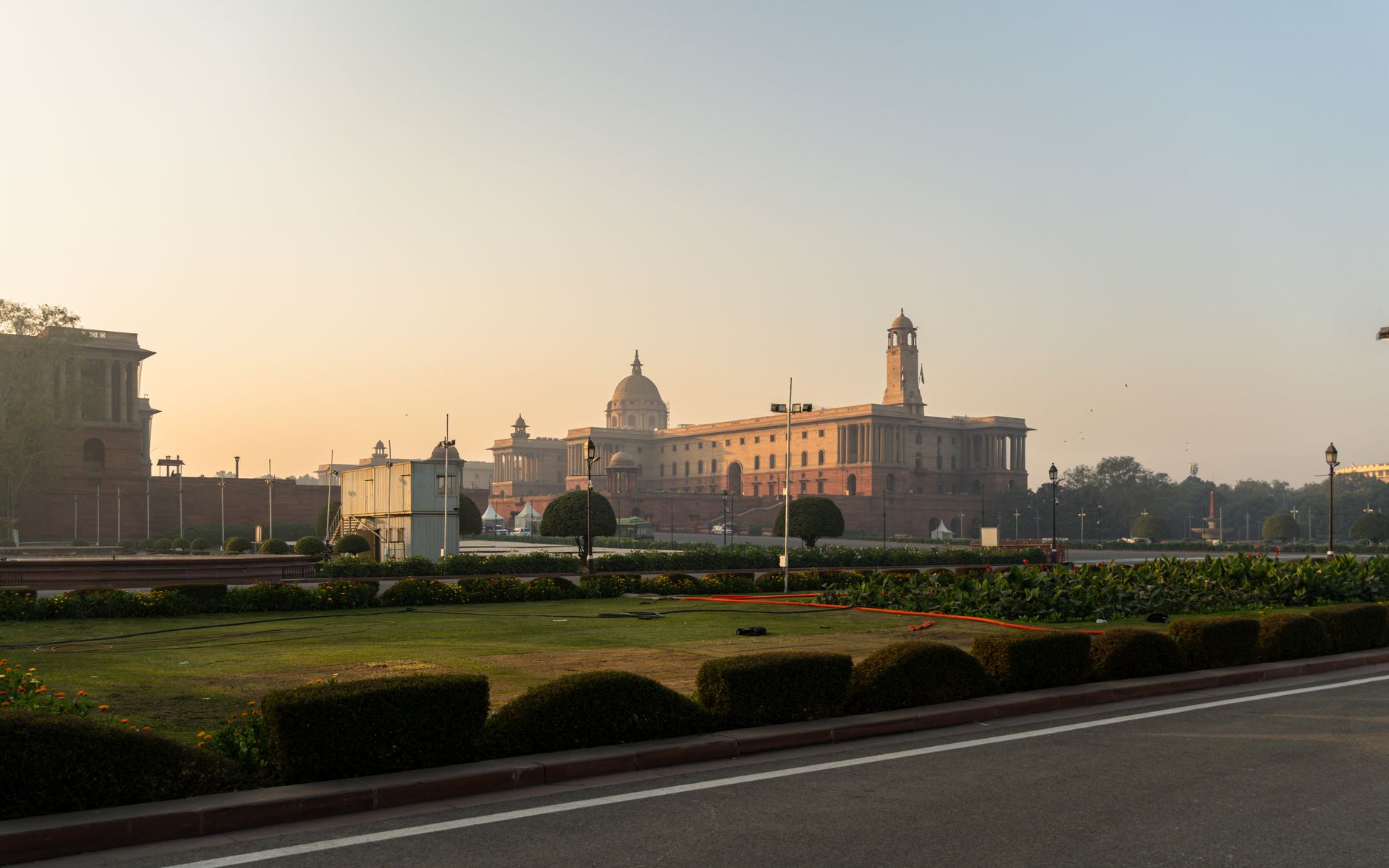
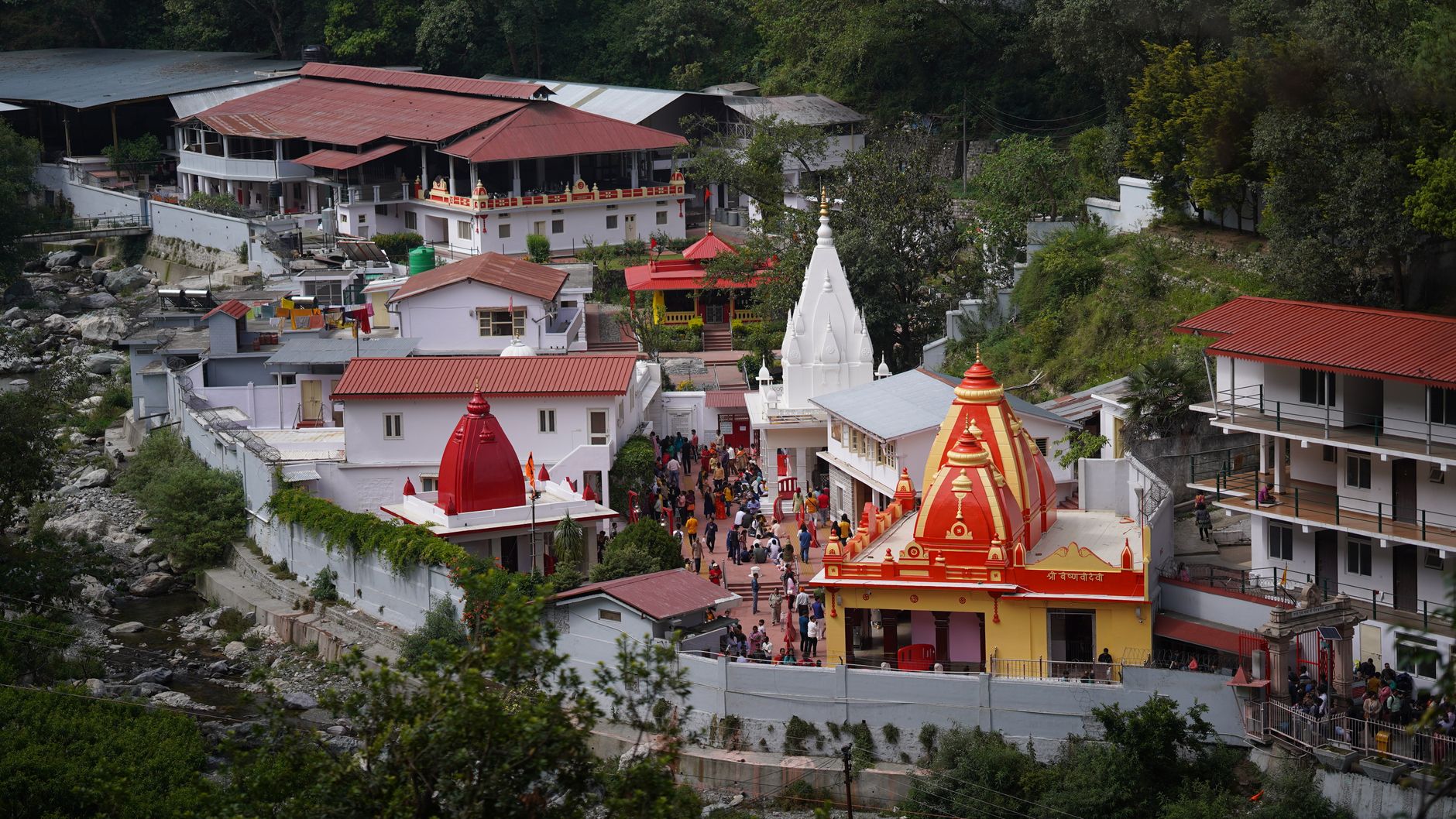
The decade spanning 2016 to 2026 marks a watershed moment in Indian tourism history. What began as a sector struggling with infrastructure gaps and limited global visibility transformed into one of the world's fastest-growing travel markets, reshaping both domestic and international tourism landscapes.
The Infrastructure Revolution
The most visible transformation came through massive infrastructure development. The expansion of airport capacity across tier-2 and tier-3 cities opened previously inaccessible destinations to air travelers. Cities like Guwahati, Bhubaneswar, and Surat witnessed airport upgrades that connected them directly to major metros and international hubs.
The railway network underwent parallel modernization with the introduction of Vande Bharat trains and the completion of several mountain railway projects. The coastal road connectivity improved dramatically, making beach destinations along both coasts easily accessible by road. Highway development under various infrastructure programs reduced travel times between major tourist circuits by nearly 40 percent.
Digital Disruption and Travel Technology
The integration of technology fundamentally altered how Indians plan and experience travel. The widespread adoption of unified payment interfaces made cashless travel seamless, even in remote villages. Digital travel platforms evolved from simple booking engines to comprehensive trip planners offering personalized itineraries, real-time language translation, and augmented reality guides at heritage sites.
The pandemic years of 2020-2021 accelerated digital adoption exponentially. Virtual tourism experiences, initially a stopgap measure, became permanent fixtures that now complement physical travel. Museums, national parks, and historical monuments offer immersive digital previews that help travelers plan more informed visits.
The Rise of Experiential and Sustainable Tourism
Indian travelers moved decisively away from checklist tourism toward experiential travel. Homestays flourished across rural India, offering authentic cultural exchanges that benefited local communities directly. Agri-tourism, wellness retreats, and adventure tourism segments grew at double-digit rates annually.
Sustainability became a central concern rather than a peripheral consideration. Destinations like Sikkim and Kerala pioneered responsible tourism models that other states replicated. Plastic-free tourism zones, community-managed eco-lodges, and wildlife conservation tourism attracted both domestic and international visitors seeking meaningful travel experiences.
Domestic Tourism Boom
Perhaps the most significant shift was the explosion in domestic tourism. Rising incomes, longer weekends, and changing work cultures encouraged Indians to explore their own country. Weekend getaways became routine rather than occasional luxuries. The work-from-anywhere culture that emerged post-pandemic created a new category of long-stay tourists who combined remote work with extended travel.
Regional destinations previously overshadowed by traditional circuits found their audiences. The Northeast witnessed unprecedented tourist inflows as improved connectivity and targeted marketing showcased its natural beauty and cultural diversity. Similarly, offbeat destinations in Madhya Pradesh, Odisha, and Rajasthan attracted travelers seeking unexplored experiences.
India on the Global Tourism Map
India's position in global tourism strengthened considerably. Simplified visa processes, including expanded e-visa facilities and visa-on-arrival for numerous countries, removed significant friction points. The country climbed steadily in global travel indices, with several Indian cities featuring prominently in must-visit destination lists.
Marketing campaigns evolved from showcasing only heritage and spirituality to presenting India's diversity—from adventure sports in Himalayan regions to culinary tourism in coastal states, from tech-savvy urban centers to tranquil village experiences. This multifaceted positioning attracted diverse traveler segments.
Government Policy and Private Sector Partnership
Progressive policy reforms created an enabling environment. The liberalization of hotel licensing norms, tax rationalization for tourism services, and skill development programs addressed long-standing industry challenges. Public-private partnerships delivered world-class facilities at pilgrimage sites and natural attractions.
The Swadesh Darshan and PRASHAD schemes upgraded tourism infrastructure at specific circuits and religious destinations. Meanwhile, private sector investments flowed into previously underserved markets, creating employment opportunities and economic multipliers in local economies.
Challenges That Remain
Despite remarkable progress, challenges persist. Overcrowding at popular destinations threatens both visitor experience and environmental sustainability. The need for trained hospitality professionals continues to outpace supply. Balancing tourism growth with heritage conservation and ecological protection requires constant vigilance.
The decade transformed Indian tourism from potential to performance, creating a foundation for sustainable growth. As the sector looks ahead, the lessons learned—particularly about resilience, innovation, and community participation—will shape its trajectory for years to come.