
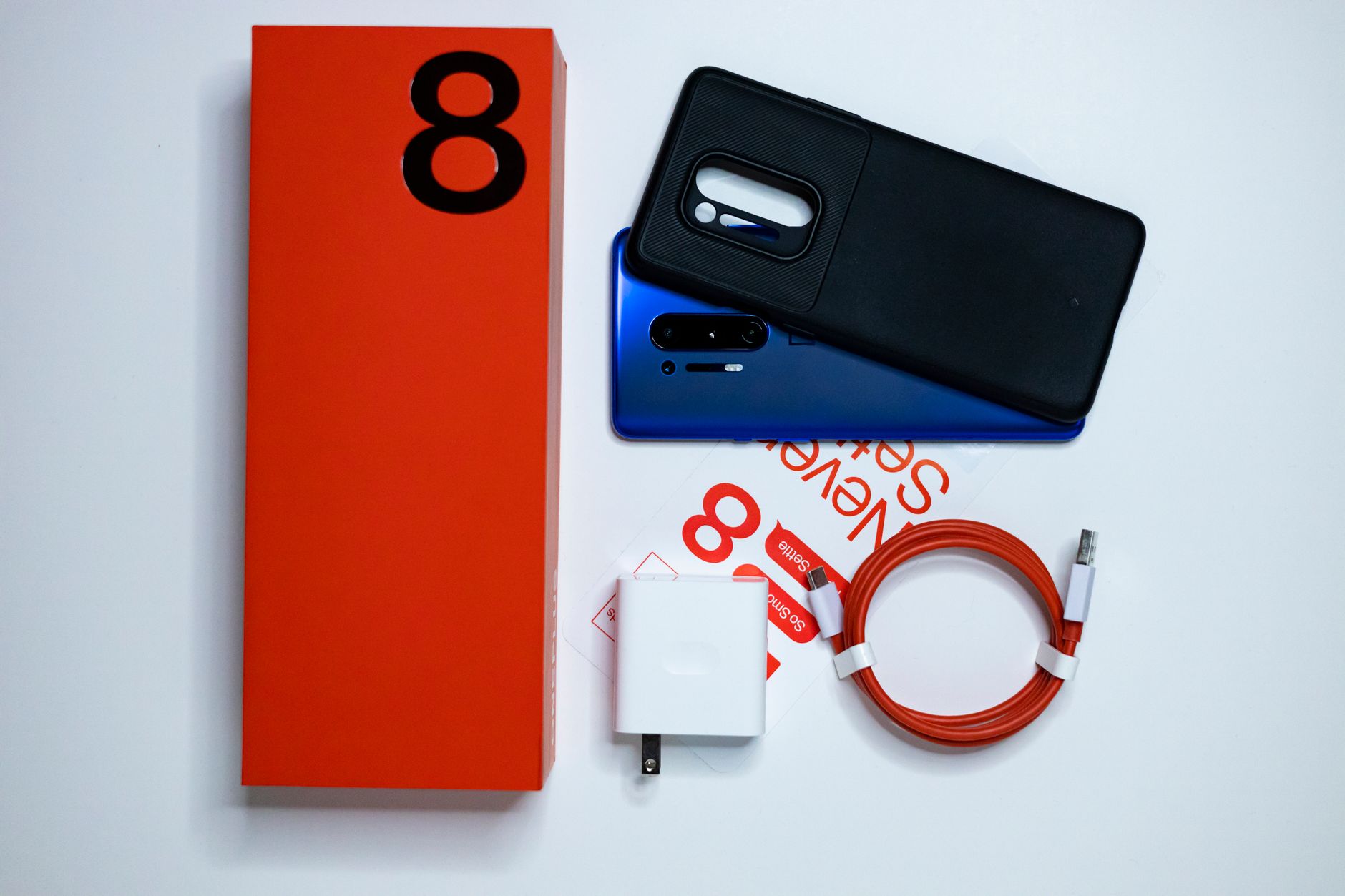
OnePlus once captivated tech enthusiasts with its promise to deliver premium smartphones at half the price of established competitors. The Chinese brand, founded in 2013 by Pete Lau and Carl Pei, positioned itself as a disruptor in the smartphone industry. However, the journey from insurgent startup to established player reveals important lessons about business evolution, market positioning, and the realities of sustainable growth in competitive technology sectors.
The Flagship Killer Era
OnePlus launched with a controversial invite-only system and the OnePlus One smartphone, priced aggressively at $299 for flagship-level specifications. This strategy generated massive buzz and created artificial scarcity that fueled demand. Early adopters embraced the brand's enthusiast-focused approach, near-stock Android experience, and community engagement model.
The company's initial investment proposition was compelling. By eliminating traditional marketing expenses, maintaining lean operations, and selling directly to consumers online, OnePlus could undercut established brands while maintaining healthy margins. This attracted attention from venture capitalists and technology investors who saw potential in the direct-to-consumer model applied to premium smartphones.
The Strategic Pivot
Several factors forced OnePlus to reassess its approach over time:
- Increasing component costs made aggressive pricing unsustainable
- Competition intensified from both premium and mid-range segments
- Market maturation required broader retail presence beyond online channels
- The invite system became a liability rather than an asset
- Parent company Oppo's influence grew stronger
By 2020, OnePlus had "settled" into a different position. Phones that once cost $300-500 now commanded $700-1000 price tags. The brand introduced multiple product tiers, diluting its focused approach. The OxygenOS software, once praised for its clean simplicity, began merging with Oppo's ColorOS, disappointing purists.
Integration with Oppo
The most significant development in OnePlus settling was the deeper integration with BBK Electronics subsidiary Oppo. While OnePlus always shared resources with its parent company, this relationship became more transparent and comprehensive.
The integration brought advantages including shared research and development costs, access to Oppo's extensive manufacturing and supply chain infrastructure, and the ability to leverage retail partnerships across India and global markets. For investors, this meant reduced risk through diversification but also diminished OnePlus's independent brand identity.
Market Position and Investment Implications
OnePlus's settlement into mainstream positioning reflects broader smartphone market realities. The industry's maturation meant less room for pure disruption and greater pressure to compete across price segments. For individual investors and market analysts, this evolution demonstrates several key principles.
First, disruptive pricing strategies often prove difficult to maintain long-term. Component costs, market expectations, and competitive pressures eventually force normalization. Second, independence for subsidiary brands in technology hardware remains challenging. The capital requirements and supply chain complexities favor integration with larger entities.
Third, brand identity management becomes critical during transitions. OnePlus faced criticism from loyal early adopters who felt abandoned, potentially damaging long-term customer lifetime value. However, the brand successfully expanded its addressable market by appealing to mainstream consumers previously inaccessible at higher price points.
Current Standing
Today, OnePlus maintains a respectable position in key markets, particularly India where it ranks among the top premium smartphone brands. The company has diversified into televisions, audio products, and wearables, creating an ecosystem play similar to competitors.
For investors examining the consumer electronics space, OnePlus represents a case study in strategic compromise. The brand sacrificed some of its revolutionary appeal and enthusiast credibility to achieve sustainable profitability and market breadth. This trade-off appears commercially successful even if emotionally disappointing to original fans.
Lessons for Investors
The OnePlus journey offers insights applicable beyond smartphones. Disruptive brands must eventually choose between maintaining pure positioning or adapting for sustainable growth. Neither path is inherently superior, but the transition period creates risks and opportunities.
Companies that "settle" may disappoint early stakeholders but often improve overall business fundamentals. Understanding when disruption gives way to consolidation helps investors time entries and exits in technology sector positions.
The smartphone industry's evolution suggests that hardware markets ultimately consolidate around entities with manufacturing scale, supply chain depth, and diverse product portfolios. Pure-play disruptors face acquisition or integration pressures as markets mature, making parent company relationships crucial evaluation factors for investment decisions.
This article provides general information about business strategy and market analysis. It should not be construed as specific investment advice. Readers should conduct their own research and consult qualified financial advisors before making investment decisions.