India is experiencing an unprecedented mobility revolution that is fundamentally changing how people traverse the world's most populous nation. From expanding metro networks to booming aviation sectors and the rise of electric vehicles, the country's transportation ecosystem is evolving at breakneck speed, creating new opportunities for travelers and businesses alike.
The Infrastructure Boom Driving Movement
The past decade has witnessed remarkable investments in India's transportation infrastructure. The government's focus on highway expansion has added thousands of kilometers of expressways, significantly reducing travel times between major cities. The Delhi-Mumbai Expressway, Bengaluru-Chennai Expressway, and numerous other projects are making road travel faster and more comfortable than ever before.
Metro rail networks have emerged as game-changers in urban mobility. Cities like Delhi, Mumbai, Bengaluru, Hyderabad, and Chennai have expanded their metro systems, while tier-2 cities including Lucknow, Jaipur, and Kochi have launched their own networks. These projects have provided millions of commuters with affordable, reliable alternatives to congested roads.
The railway sector, long the backbone of Indian travel, is also modernizing. Vande Bharat Express trains offer premium semi-high-speed service on select routes, while station redevelopment projects are transforming travel hubs into world-class facilities. The introduction of private train operators is expected to further enhance service quality and passenger experience.
Aviation's Democratic Moment
Air travel in India has shifted from luxury to necessity for millions of middle-class travelers. The rise of budget carriers has made flying accessible to first-time flyers, with domestic air traffic reaching pre-pandemic levels and continuing to grow. New airports in smaller cities are connecting previously underserved regions, while major hubs are expanding capacity to handle increasing passenger volumes.
Regional connectivity schemes have played a crucial role in this aviation boom. Routes connecting tier-2 and tier-3 cities allow travelers to bypass traditional hub-and-spoke models, saving time and money. This democratization of air travel has particularly benefited business travelers and tourists exploring offbeat destinations.
Digital Innovation in Travel
Technology has become integral to how Indians plan and execute their journeys. Travel booking platforms have made comparing prices and options effortless, while mobile apps provide real-time updates on flights, trains, and buses. Digital payments have eliminated the hassle of carrying cash, and ride-hailing services have solved last-mile connectivity challenges in urban areas.
The Unified Payments Interface (UPI) has revolutionized travel transactions, from booking tickets to paying for refreshments and local transportation. This digital infrastructure has made travel more seamless and transparent, reducing friction points that once complicated Indian journeys.
The Electric and Sustainable Shift
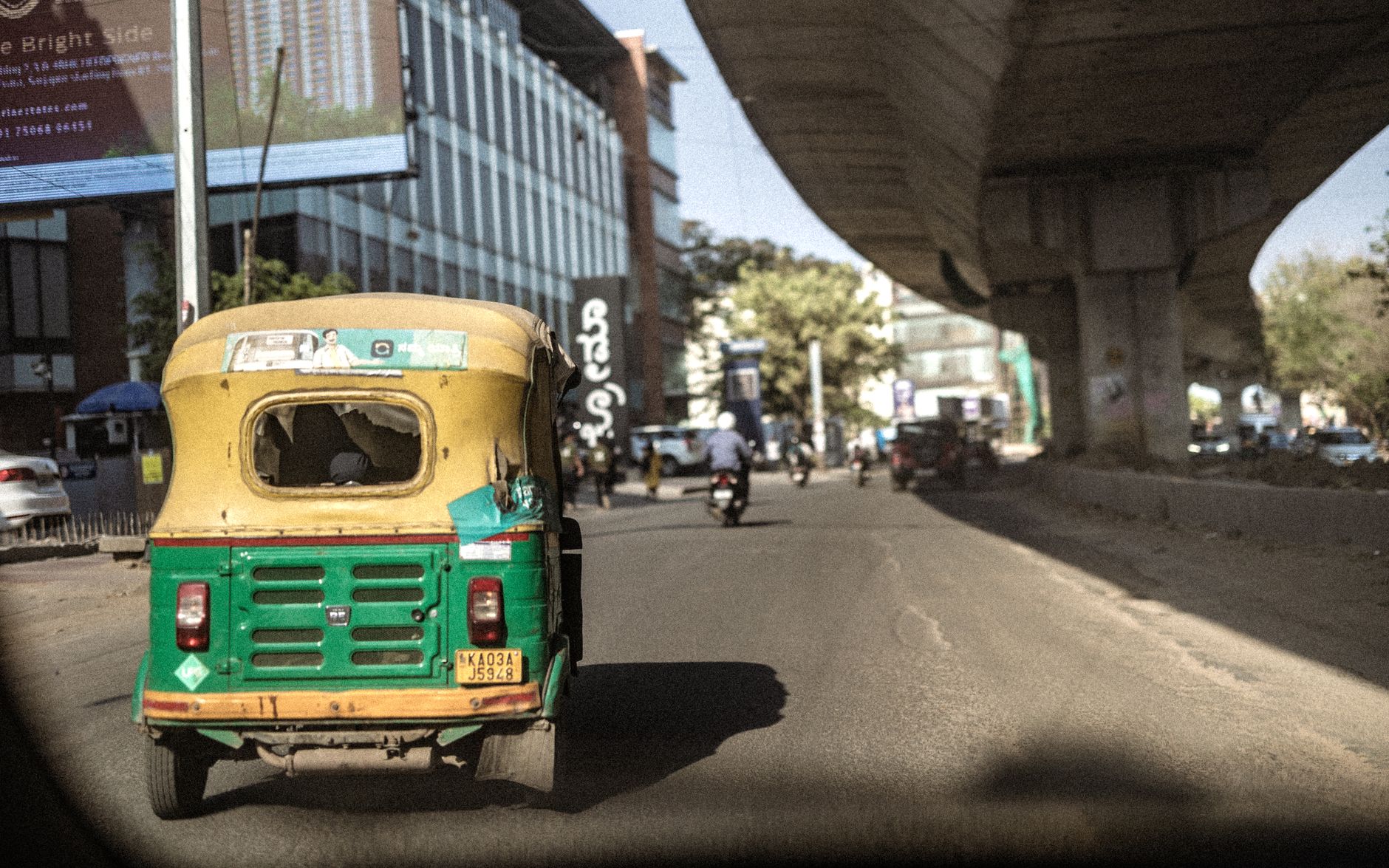
Environmental consciousness is increasingly influencing travel choices. Electric vehicle adoption is accelerating, particularly in two-wheeler and three-wheeler segments, with charging infrastructure expanding in major cities. Several state transport corporations are introducing electric buses, making public transportation cleaner and quieter.
Car-sharing and bike-sharing services have gained traction in metropolitan areas, offering sustainable alternatives to personal vehicle ownership. These services appeal particularly to younger travelers who prioritize flexibility and environmental responsibility over traditional ownership models.
Tourism and Leisure Travel Trends
Domestic tourism has surged as Indians increasingly explore their own country. Improved connectivity has made weekend getaways more feasible, with hill stations, beaches, and heritage sites witnessing record visitor numbers. Work-from-anywhere policies have spawned "workation" trends, where professionals combine remote work with extended stays in scenic locations.
Adventure tourism, wellness retreats, and experiential travel are growing segments, catering to travelers seeking more than conventional sightseeing. Rural tourism initiatives are connecting urban dwellers with village life, creating economic opportunities in remote areas while preserving cultural heritage.
Challenges Remain
Despite progress, challenges persist. Congestion in major cities continues to test infrastructure limits, while safety concerns remain in certain transport modes. Seasonal overcrowding during festivals and holidays highlights capacity constraints, and accessibility for differently-abled travelers needs improvement across most transport systems.
The movement of people across India reflects the nation's economic dynamism and rising aspirations. As infrastructure continues improving and technology removes barriers, the future promises even greater mobility, connecting people, opportunities, and experiences across this vast and diverse country.