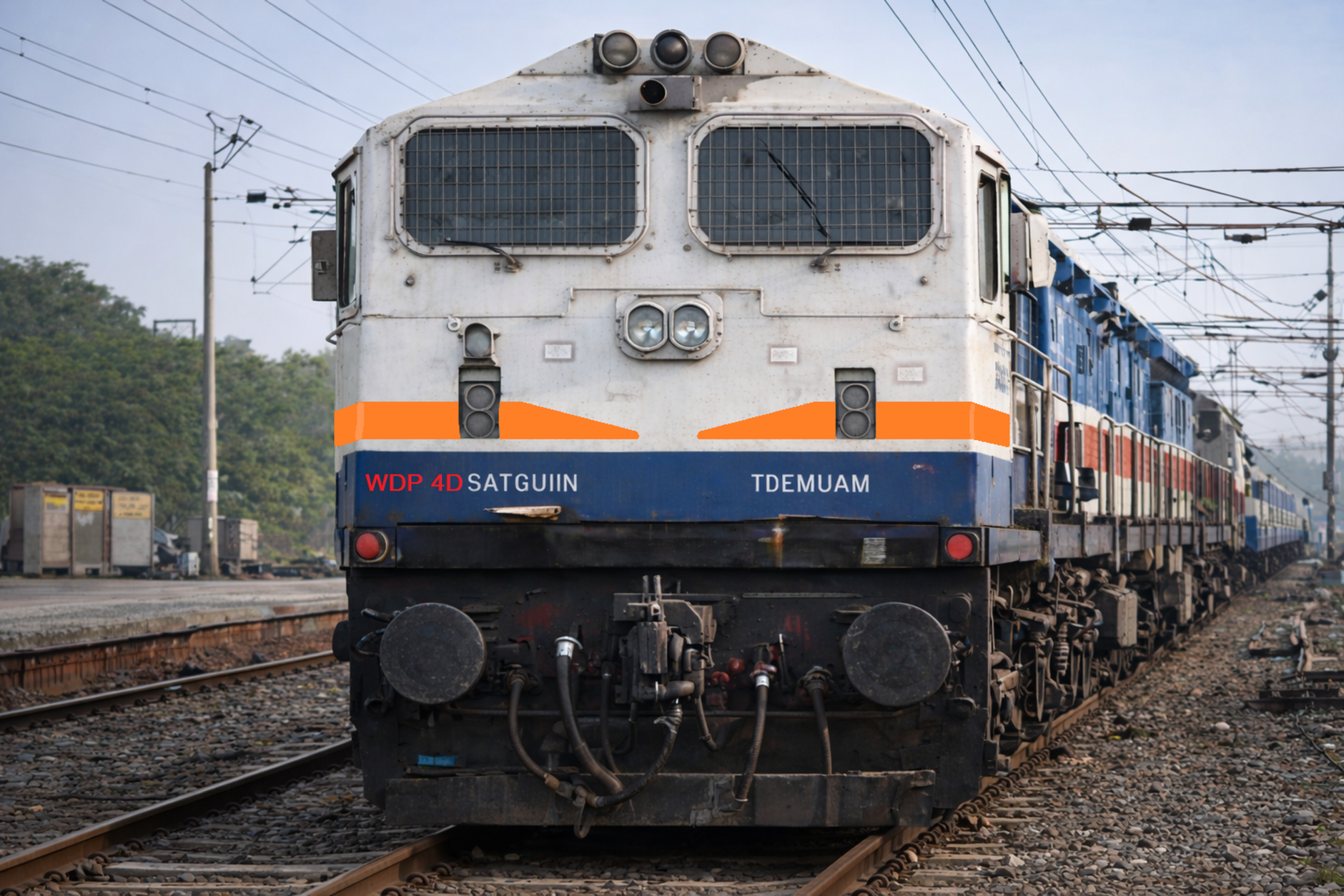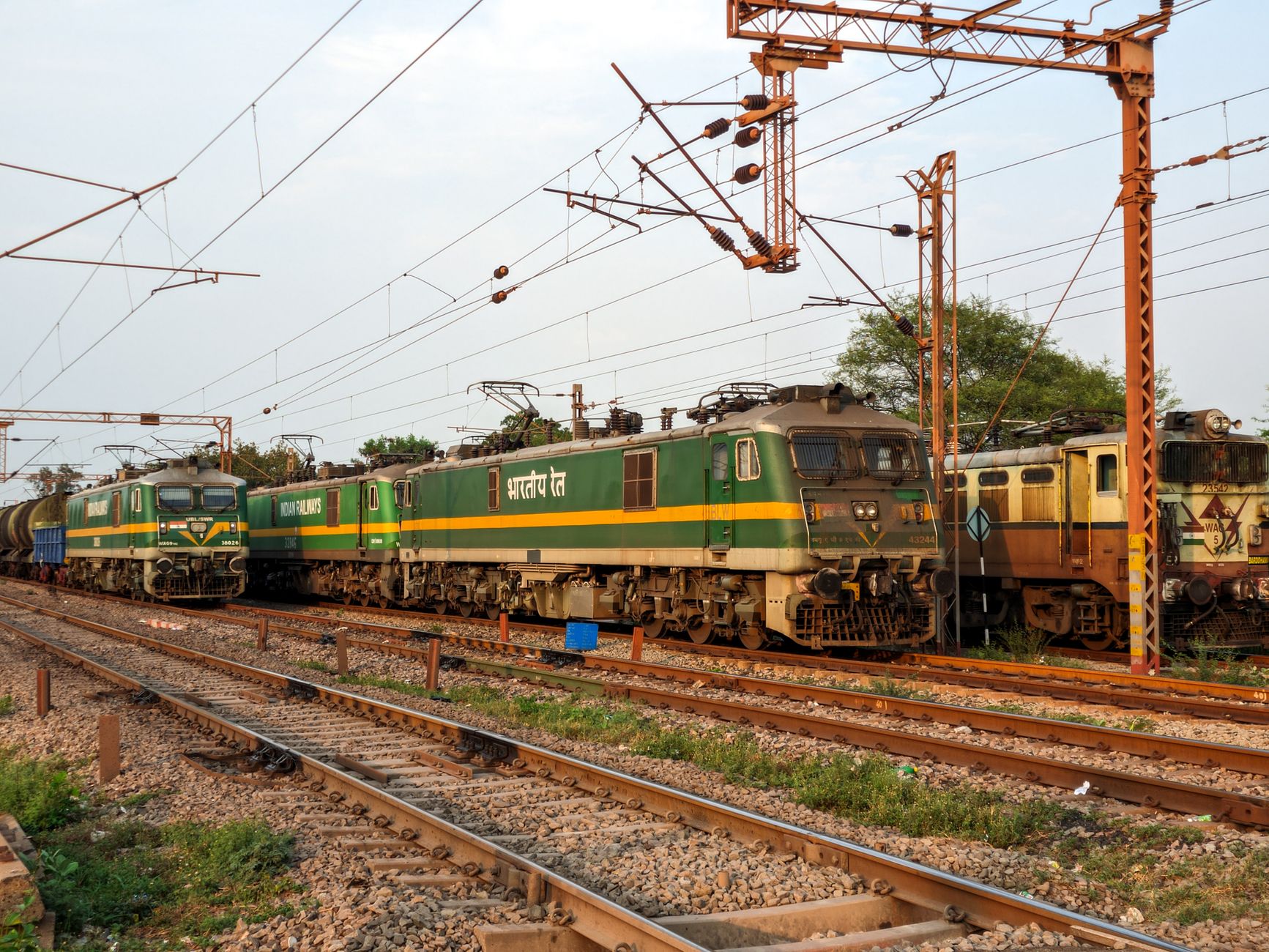
India has achieved a notable breakthrough in sustainable transportation technology by securing intellectual property rights for its indigenously developed hydrogen train technology. This development positions the country among a select group of nations working on emission-free rail solutions and demonstrates India's growing capabilities in clean energy innovation.
Understanding Hydrogen Train Technology
Hydrogen-powered trains represent a promising alternative to diesel locomotives, particularly for non-electrified rail routes. These trains use hydrogen fuel cells that combine hydrogen with oxygen from the air to produce electricity, with water vapor being the only emission. The electricity generated powers the train's motors, offering a zero-emission solution for rail transport.
The technology addresses a critical challenge in India's railway network, where despite extensive electrification efforts, thousands of kilometers of track still rely on diesel locomotives. Hydrogen trains can operate on these routes without requiring expensive overhead electrification infrastructure.
Significance of IP Rights Retention
Retaining intellectual property rights for this technology carries multiple strategic advantages for India. First, it ensures that Indian Railways and domestic manufacturers maintain control over the development, deployment, and commercialization of the technology. This prevents dependency on foreign entities for critical transportation infrastructure.
Second, IP ownership opens potential revenue streams through technology licensing to other countries facing similar challenges with diesel-dependent rail networks. Several developing nations in Asia and Africa could benefit from this technology, creating export opportunities for Indian manufacturers.
Third, domestic IP rights reduce long-term costs associated with technology licensing fees and royalty payments that would otherwise flow to foreign patent holders. This factor alone could translate into significant savings over the technology's lifecycle.
India's Hydrogen Train Development Journey
Indian Railways has been working on hydrogen train technology as part of its broader commitment to achieving net-zero carbon emissions by 2030. The development process has involved collaboration between research institutions, public sector undertakings, and private industry partners.
The indigenous development approach aligns with India's Atmanirbhar Bharat (self-reliant India) initiative, emphasizing domestic innovation and manufacturing capabilities. By developing the technology locally, India has built expertise across the entire value chain, from fuel cell design to hydrogen storage systems and train integration.
Technical and Operational Considerations
Implementing hydrogen trains requires addressing several technical and infrastructural challenges:
- Hydrogen production infrastructure must be established, ideally using renewable energy sources to ensure truly green hydrogen
- Storage and refueling stations need to be built along rail routes
- Safety protocols for handling and transporting hydrogen must be implemented
- Maintenance facilities and personnel require specialized training
- Initial capital costs are higher than conventional diesel locomotives
Despite these challenges, hydrogen trains offer compelling advantages including lower operating costs over time, reduced environmental impact, and operational flexibility compared to electrification.
Global Context and Competition
Globally, several countries are developing or deploying hydrogen train technology. Germany launched the world's first commercial hydrogen-powered passenger train service in 2018, while France, the United Kingdom, and Japan have active hydrogen train programs.
India's achievement in developing indigenous technology with secured IP rights allows the country to participate in this global transition on its own terms rather than as a technology importer. This positioning is particularly important as hydrogen-based transportation is expected to grow significantly in the coming decades.
Economic and Environmental Implications
The environmental benefits of hydrogen trains are substantial. Replacing diesel locomotives on non-electrified routes would significantly reduce carbon emissions, air pollution, and noise pollution. This aligns with India's commitments under international climate agreements.
Economically, the technology could stimulate growth in related industries including hydrogen production, fuel cell manufacturing, and specialized railway equipment. The development of a domestic hydrogen economy around rail transport could create employment opportunities and support ancillary industries.
Future Outlook
With IP rights secured, Indian Railways can now move forward with pilot projects and eventual commercialization. The technology will likely be deployed initially on selected routes to gather operational data and refine systems before broader implementation.
The success of India's hydrogen train program could serve as a model for other sectors considering hydrogen adoption, including heavy commercial vehicles, shipping, and industrial applications. The expertise developed through railway implementation may prove valuable across multiple domains of the hydrogen economy.