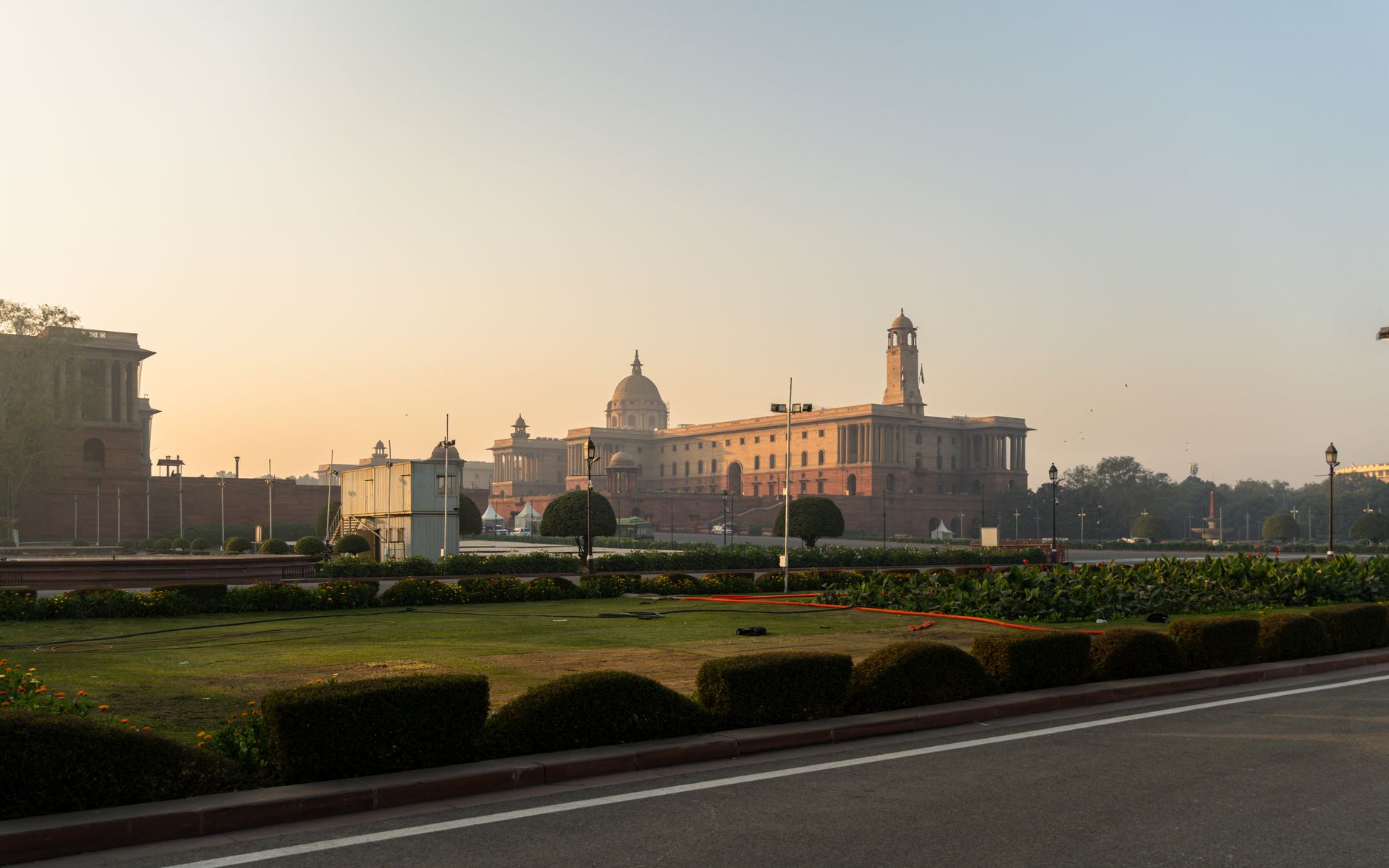
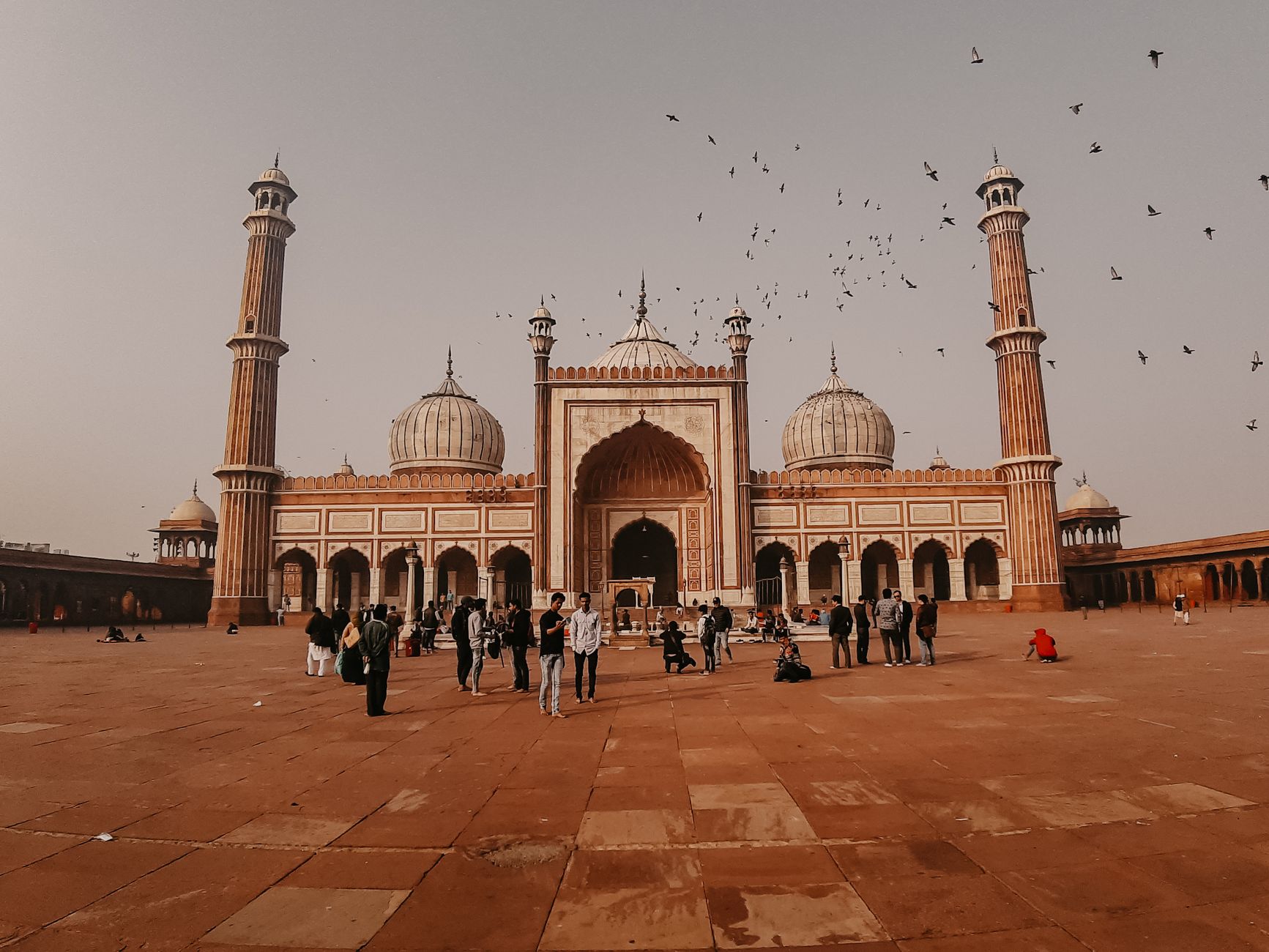
India's travel and tourism sector is poised for remarkable growth over the next decade, with projections indicating the country will secure its position as the world's fourth-largest travel and tourism economy by 2036. This optimistic forecast from the World Travel & Tourism Council highlights India's increasing importance in the global tourism landscape and signals tremendous opportunities for businesses, travelers, and the broader economy.
Understanding the Growth Trajectory
The anticipated rise in India's travel sector stems from multiple converging factors. The country's massive population of over 1.4 billion people includes a rapidly expanding middle class with increasing disposable income and a growing appetite for travel experiences. Unlike previous generations that prioritized savings over experiences, younger Indians are demonstrating a stronger inclination toward exploring both domestic and international destinations.
Currently, India ranks lower in the global travel economy hierarchy, but the projected leap to fourth place represents significant momentum. This growth trajectory reflects not just organic demand but also strategic investments in tourism infrastructure, improved connectivity, and enhanced hospitality offerings across the country.
Key Drivers Behind the Projection
Several fundamental factors are propelling India toward this milestone. The government's focus on infrastructure development, including new airports, expanded railway networks, and improved road connectivity, is making previously inaccessible destinations more reachable. Major cities are seeing upgrades to international airports, while tier-2 and tier-3 cities are gaining better air connectivity, democratizing travel access.
Digital transformation has revolutionized how Indians plan and book travel. The proliferation of online travel platforms, user-friendly apps, and competitive pricing has removed traditional barriers to travel planning. This digital ecosystem has particularly empowered first-time travelers and those from smaller cities to venture beyond their home states.
Domestic Tourism as the Foundation
Domestic tourism serves as the backbone of India's travel economy and will continue driving growth through 2036. Indians are increasingly exploring their own country's diverse offerings, from the Himalayan peaks to tropical beaches, from heritage sites to modern urban experiences. The pandemic accelerated this trend, with many travelers discovering the richness of domestic destinations when international travel was restricted.
Weekend getaways, spiritual tourism, adventure travel, and wellness retreats are gaining popularity. States are actively promoting lesser-known destinations, distributing tourist footfall beyond traditional hotspots and creating economic opportunities in rural and semi-urban areas.
International Arrivals and Outbound Travel
India's appeal as an international destination continues strengthening. The country's unique combination of ancient culture, spiritual heritage, natural diversity, and modern amenities attracts millions of foreign visitors annually. Initiatives like e-visa facilities, improved tourist infrastructure, and targeted marketing campaigns are making India more accessible and appealing to global travelers.
Simultaneously, outbound travel by Indians is growing exponentially. As passport penetration increases and international travel becomes more affordable, Indian tourists are exploring destinations across Asia, Europe, the Middle East, and beyond, contributing significantly to the global travel economy.
Economic Impact and Employment Generation
The expansion of travel and tourism carries substantial economic implications. The sector is among the largest employment generators, providing jobs across skill levels from hospitality workers to travel agents, tour guides to transportation providers. By 2036, the industry could support millions of additional jobs, particularly benefiting youth employment.
The multiplier effect of tourism spending extends beyond direct services. Local artisans, food vendors, cultural performers, and small businesses in tourist areas benefit from increased visitor spending. This economic distribution can support inclusive growth and regional development.
Challenges and Considerations
Despite the positive outlook, several challenges require attention. Infrastructure development must keep pace with growing demand to prevent overcrowding at popular destinations. Sustainable tourism practices are essential to protect India's natural and cultural heritage for future generations. Skill development programs must ensure the workforce can meet international hospitality standards.
Seasonal fluctuations, environmental concerns, and the need for consistent service quality across diverse regions present ongoing challenges. Government policies, private sector innovation, and community involvement will all play crucial roles in ensuring sustainable growth.
Looking Ahead
The projection of India becoming the fourth-largest travel and tourism economy by 2036 represents both an achievement and a responsibility. Stakeholders across government, industry, and communities must collaborate to build a tourism ecosystem that balances growth with sustainability, accessibility with preservation, and economic benefits with environmental stewardship. For travelers, investors, and businesses, India's tourism trajectory presents compelling opportunities in one of the world's most dynamic and diverse markets.