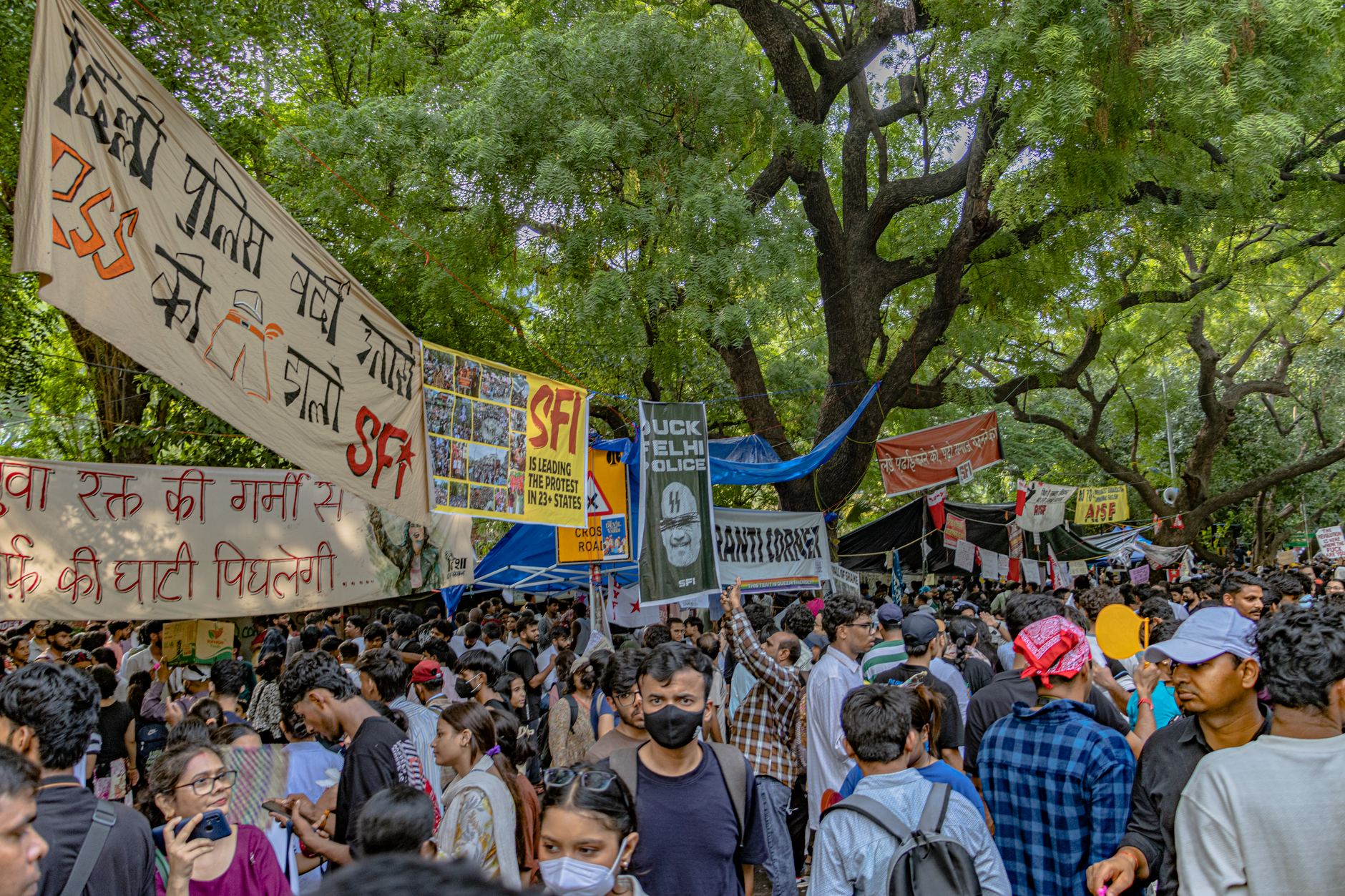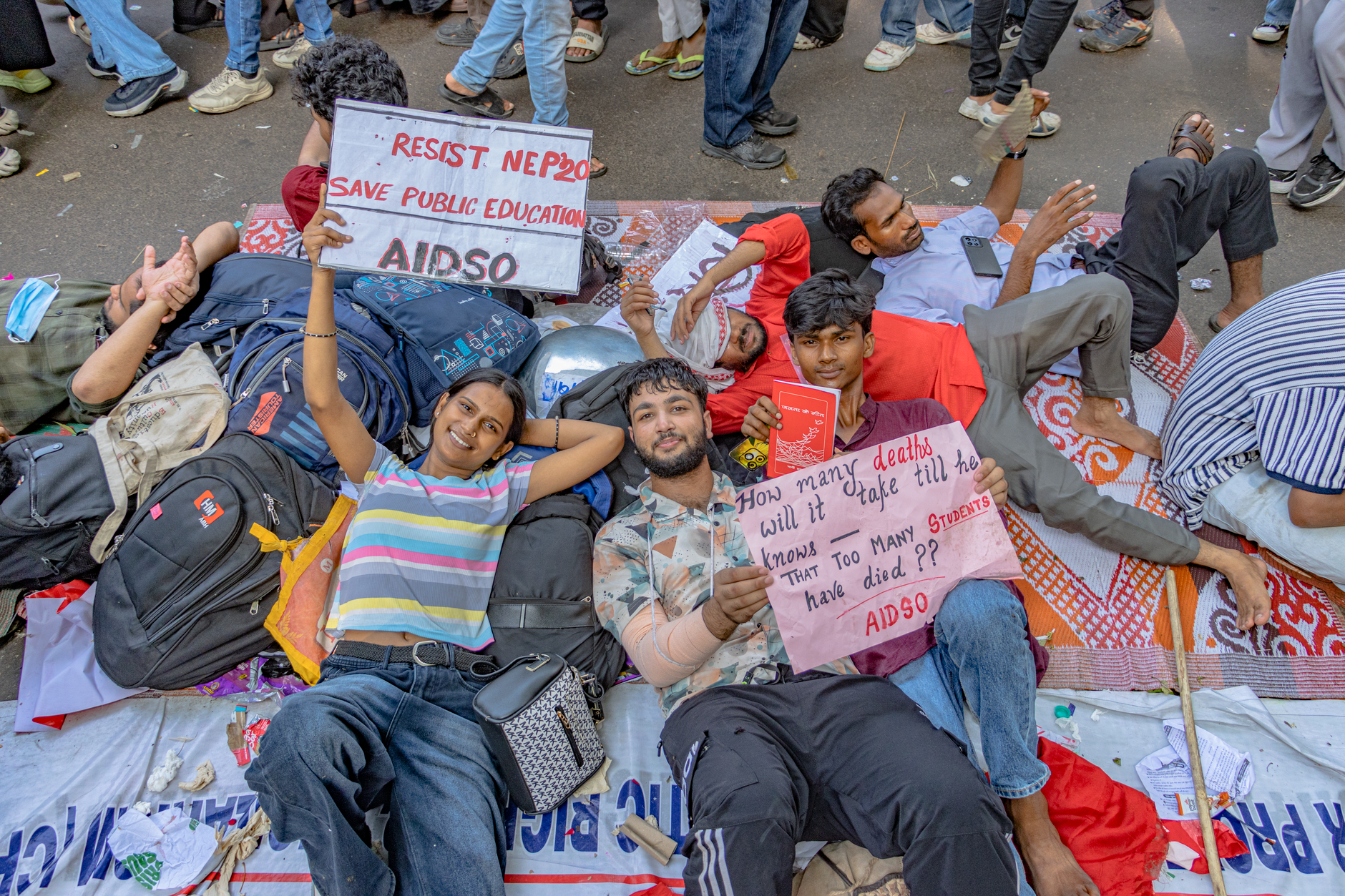
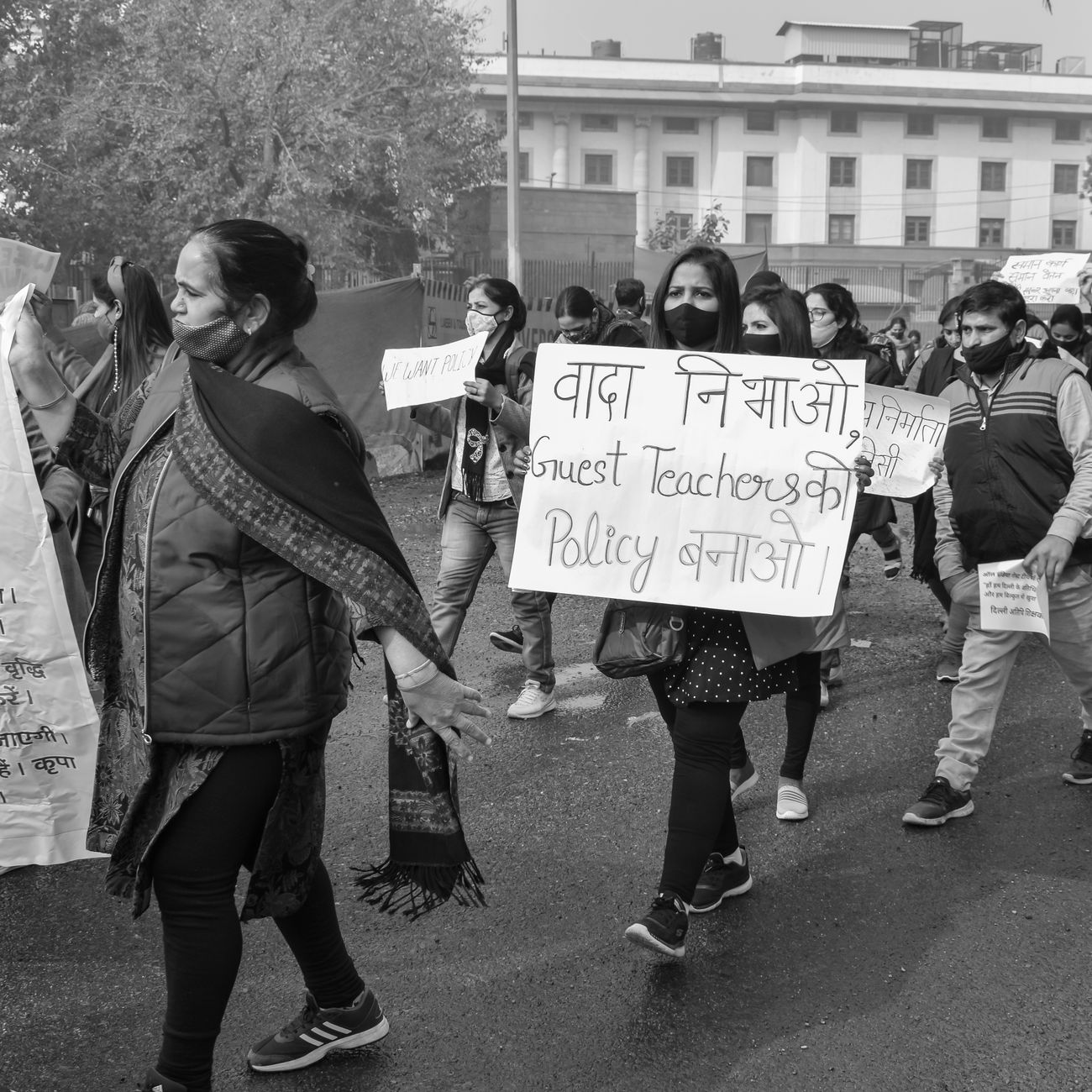
When students resort to refusing food for two weeks, it signals something fundamentally broken in an education system. In India, where academic performance can determine entire life trajectories, the pressure surrounding examinations has reached a boiling point, driving some students to stage hunger strikes as a form of desperate protest.
Why Students Are Protesting
The Indian examination system has long been criticized for its heavy reliance on high-stakes testing. Students face immense pressure from multiple entrance exams including the Joint Entrance Examination for engineering, the National Eligibility cum Entrance Test for medical schools, and various board examinations that can make or break university admissions prospects.
Recent protests have centered around several key grievances. Students argue that exam dates are scheduled too close together, leaving inadequate preparation time. Technical glitches during online examinations have caused widespread disruption, with some students unable to complete tests due to server crashes or internet connectivity issues. There are also recurring complaints about answer key errors, evaluation inconsistencies, and a lack of transparent grievance redressal mechanisms.
The Mental Health Crisis Behind the Protests
India has one of the highest student suicide rates globally, with exam-related stress being a significant contributing factor. The World Health Organization data indicates that academic pressure is among the leading causes of depression and anxiety among Indian youth.
The examination system creates a winner-takes-all environment where a difference of a single mark can mean the difference between admission to a premier institution or facing limited alternatives. This pressure is compounded by societal expectations, parental aspirations, and the reality that India's limited number of quality educational institutions cannot accommodate all qualified candidates.
Students spend years in coaching centers, often studying 12-14 hours daily, sacrificing extracurricular activities, hobbies, and social connections. The system rewards memorization over critical thinking, leaving many graduates unprepared for workplaces that demand creativity, problem-solving, and practical skills.
Systemic Issues in Indian Education
The examination-centric model stems from colonial-era education structures that prioritized creating a clerical workforce. Despite seven decades of independence, substantial reforms have been slow to materialize.
Several factors perpetuate the current system:
- Limited seats in quality institutions compared to the number of applicants
- Teaching methods focused on exam preparation rather than comprehensive learning
- Social and economic mobility heavily dependent on degrees from prestigious institutions
- Lack of alternative pathways to success outside traditional academic routes
- Inadequate vocational training infrastructure
The National Education Policy 2020 promised reforms including reduced emphasis on rote learning, multidisciplinary education, and flexible examination patterns. However, implementation remains inconsistent across states, and many students continue to experience the old system's pressures.
Previous Protests and Their Outcomes
Student activism around examinations is not new in India. In recent years, there have been multiple instances of protests, social media campaigns, and legal challenges regarding exam irregularities, paper leaks, and evaluation disputes.
Some protests have achieved partial success. In certain cases, authorities have rescheduled examinations, provided additional attempts, or revised answer keys after student pressure. However, systemic changes remain elusive, and the fundamental structure of high-stakes testing continues largely unchanged.
What Needs to Change
Education experts advocate for a multi-pronged approach to reform. This includes increasing the number of quality educational institutions to reduce artificial scarcity, implementing continuous evaluation systems that reduce the burden of single-exam outcomes, and creating multiple pathways to success beyond traditional academic routes.
Technology could play a role in making examinations more accessible and fair, but only if infrastructure challenges are addressed. Rural students often face disadvantages due to limited internet access, fewer coaching resources, and less exposure to exam patterns.
Mental health support services need significant expansion in schools and colleges. Counseling facilities, stress management programs, and destigmatization of academic struggles would help students cope with pressure without resorting to extreme protest measures.
The Path Forward
Hunger strikes by students reflect systemic failures that demand urgent attention. While examinations serve a legitimate purpose in evaluating knowledge and skills, the current implementation in India has created an environment of excessive stress that undermines the very purpose of education—to nurture curious, capable individuals.
Real change will require coordination between policymakers, educational institutions, parents, and students themselves to reimagine what success looks like beyond examination scores. Until such reforms materialize, protests will likely continue as students seek to draw attention to a system many experience as fundamentally unjust.