United Nations peacekeeping missions have traditionally focused on maintaining security and stability in conflict zones, but Indian peacekeepers serving with the United Nations Mission in South Sudan (UNMISS) are demonstrating how military expertise can extend far beyond conventional peacekeeping duties. In Jonglei State, one of South Sudan's most vulnerable regions, Indian veterinary teams are addressing a critical need that directly impacts the survival and prosperity of local communities.
The Critical Role of Livestock in Jonglei
In South Sudan's Jonglei State, livestock represents more than just agricultural assets. For pastoral communities, cattle, goats, and sheep are the foundation of economic survival, cultural identity, and food security. These animals provide milk, meat, and income, while also serving as dowry in marriages and symbols of wealth and status. When livestock fall ill or die from preventable diseases, entire families can be thrust into poverty and food insecurity.
The region has faced compounding challenges including civil conflict, flooding, and limited infrastructure, which have severely restricted access to veterinary services. Without proper animal healthcare, diseases spread rapidly through herds, devastating the livelihoods of communities already struggling with instability.
Indian Peacekeepers' Veterinary Initiative
The Indian contingent within UNMISS has deployed qualified veterinarians and paraveterinary staff to conduct medical camps and outreach programmes across remote areas of Jonglei. These professionals bring with them not only medical supplies and equipment but also decades of experience from India's own robust veterinary system, which manages one of the world's largest livestock populations.
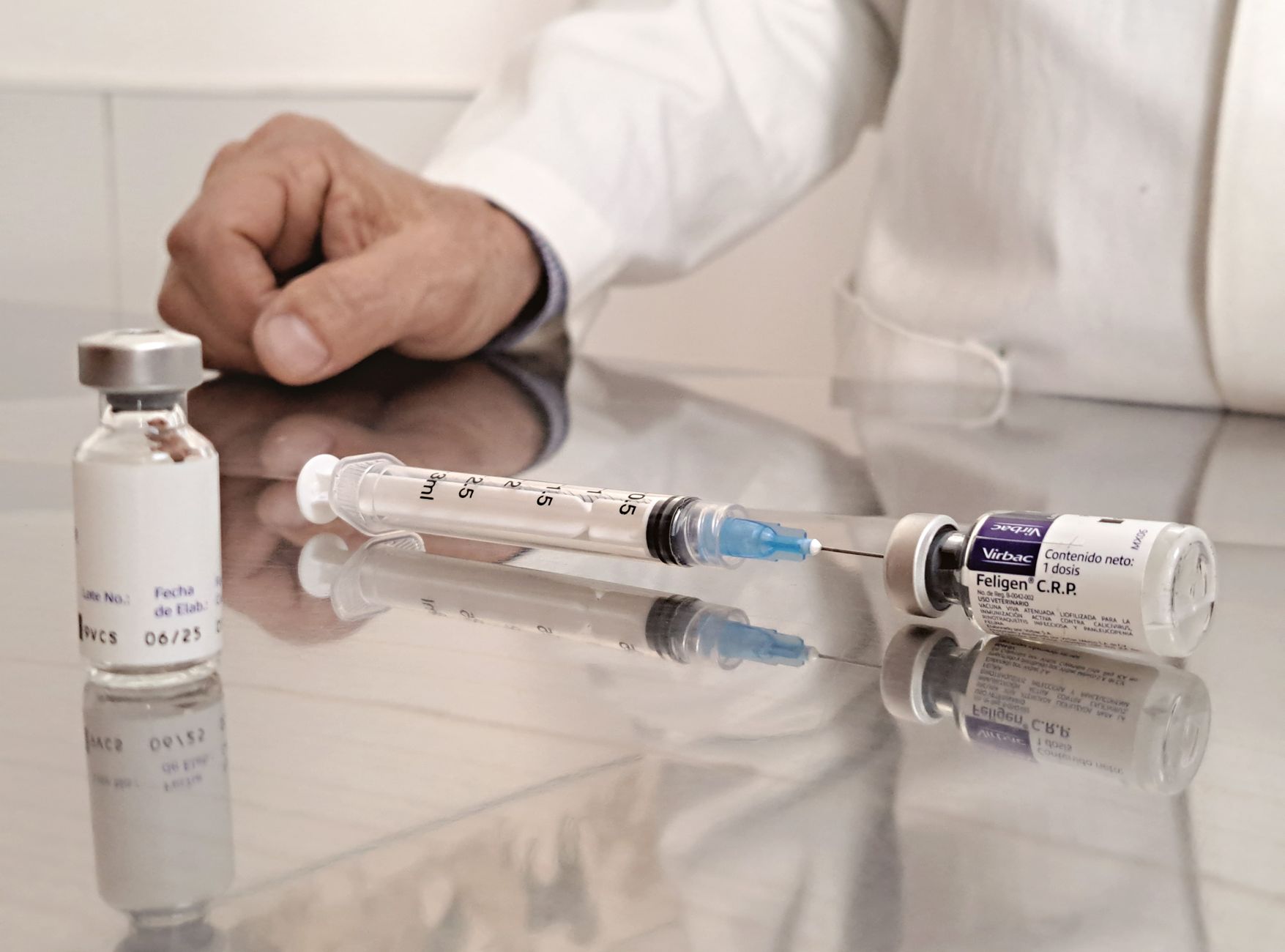
The peacekeepers conduct regular vaccination drives targeting common but deadly diseases such as foot-and-mouth disease, peste des petits ruminants, and various parasitic infections. They also provide treatment for injured or sick animals and offer guidance on basic animal husbandry practices that can prevent disease outbreaks.
Beyond Immediate Treatment
What sets this initiative apart is its focus on sustainable capacity-building rather than just immediate relief. Indian peacekeepers are training local community members in basic veterinary first aid, disease recognition, and preventive care measures. This knowledge transfer ensures that communities can maintain healthier herds even after the peacekeepers move on.
The teams also educate farmers about nutrition, breeding practices, and the importance of quarantine measures when introducing new animals to existing herds. These practical lessons help communities maximize the productivity of their livestock while minimizing losses from preventable causes.
Measurable Impact on Rural Livelihoods
The transformation in livestock health has created ripple effects throughout rural economies. Healthier animals produce more milk, which improves child nutrition and creates surplus for sale. Stronger livestock can better withstand the region's harsh dry seasons and are more valuable at market, providing families with greater purchasing power for essentials like food, education, and healthcare.
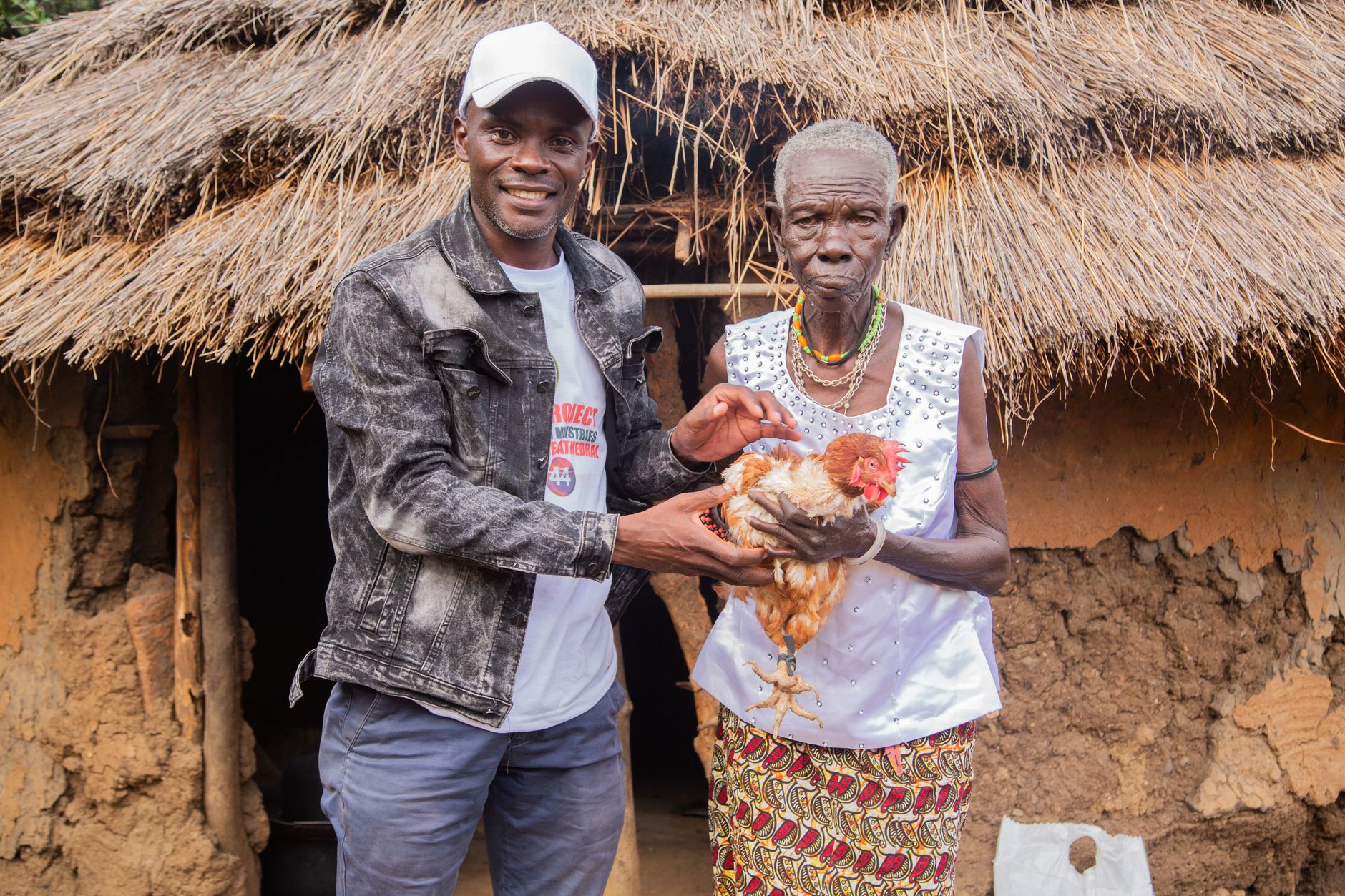
Women, who often manage smaller livestock like goats and chickens, have particularly benefited from these interventions. Improved animal health means more reliable income sources and greater economic independence for female-headed households, which are common in conflict-affected areas.
Building Trust Through Service
The veterinary mission serves another crucial function: building trust between peacekeepers and local populations. By addressing immediate, tangible needs that directly impact daily survival, Indian peacekeepers demonstrate that international forces can be partners in development, not just security enforcers. This goodwill facilitates broader peacekeeping objectives and creates safer operating environments.
A Model for Integrated Peacekeeping
The Indian peacekeepers' work in Jonglei represents an innovative approach to peacekeeping that recognizes the interconnection between security, health, and economic stability. When communities have healthy livestock and stable livelihoods, they are better positioned to resist recruitment by armed groups and less likely to engage in resource-based conflicts.
This model of integrated peacekeeping, which combines security presence with development expertise, offers valuable lessons for missions worldwide. It demonstrates that military personnel with specialized civilian skills can address root causes of instability while fulfilling traditional peacekeeping mandates.
The success of this initiative underscores the importance of selecting peacekeeping contingents not only for their military capabilities but also for complementary expertise that matches the specific needs of host communities. As conflicts increasingly intersect with humanitarian crises, such multidimensional approaches become essential for creating lasting peace and stability.