Sri Lanka's tourism industry is witnessing a significant transformation, with Indian visitors increasingly seeking premium travel experiences that are reshaping the island nation's hospitality landscape. This surge in upscale tourism from India marks a departure from traditional budget-focused travel patterns and signals a maturing market with evolving preferences.
The Numbers Behind the Trend
Indian tourists have consistently ranked among the top source markets for Sri Lanka in recent years, but what's changed is the spending pattern. Travel industry data shows that Indian visitors are now opting for four and five-star properties, boutique hotels, and luxury resorts at unprecedented rates. This shift has contributed substantially to Sri Lanka's tourism revenue recovery following the challenges of recent years.
The proximity between the two nations, improved air connectivity with multiple daily flights from major Indian cities, and competitive pricing compared to other international destinations have all played crucial roles. However, the real game-changer has been the emergence of affluent Indian millennials and Gen-Z travellers who prioritize experience over cost.
What Indian Tourists Are Seeking
The premium tourism segment driven by Indian visitors encompasses several key areas. Wellness tourism has emerged as a major draw, with Sri Lanka's authentic Ayurvedic treatments and wellness retreats attracting health-conscious travellers. Unlike commercialized wellness offerings elsewhere, Sri Lanka provides traditional therapies at luxury properties that combine authenticity with comfort.
Adventure and experiential travel also feature prominently. Indian tourists are increasingly booking curated experiences such as:
- Private wildlife safaris in national parks like Yala and Udawalawe
- Exclusive tea estate tours with tastings and estate stays
- Luxury train journeys through the hill country
- Private yacht charters and diving expeditions
- Customized cultural tours with expert guides
The Wedding and Celebration Economy
Destination weddings and celebrations have become a significant contributor to premium tourism from India. Sri Lanka's exotic locations, combined with cost advantages over destinations like Bali or Maldives, make it attractive for elaborate Indian weddings. Beach resorts and heritage properties are increasingly catering to this segment with specialized wedding packages and event management services.
Pre-wedding photoshoots have also gained popularity, with couples choosing Sri Lanka's diverse landscapes as backdrops. This trend has created a niche industry of travel photographers and videographers serving the Indian market.
Infrastructure and Service Adaptations
Sri Lankan hospitality providers have adapted to cater specifically to Indian preferences. Many premium hotels now offer extensive Indian cuisine options, vegetarian and Jain meal preparations, and staff trained to understand cultural sensitivities. Some properties have introduced Indian-themed spa treatments and yoga programs led by Indian wellness experts.
The visa facilitation measures, including electronic travel authorization and occasionally visa-free entry for Indian nationals, have simplified travel logistics. Airlines have responded by increasing capacity and introducing direct flights from tier-two Indian cities, making Sri Lanka accessible beyond metropolitan areas.
Economic Impact and Future Outlook
The premium tourism segment generates substantially higher revenue per visitor compared to budget travel. Indian tourists staying at luxury properties typically spend on high-end dining, spa treatments, shopping for Ceylon tea and gemstones, and premium excursions. This spending pattern creates quality employment opportunities and supports local businesses catering to upscale markets.
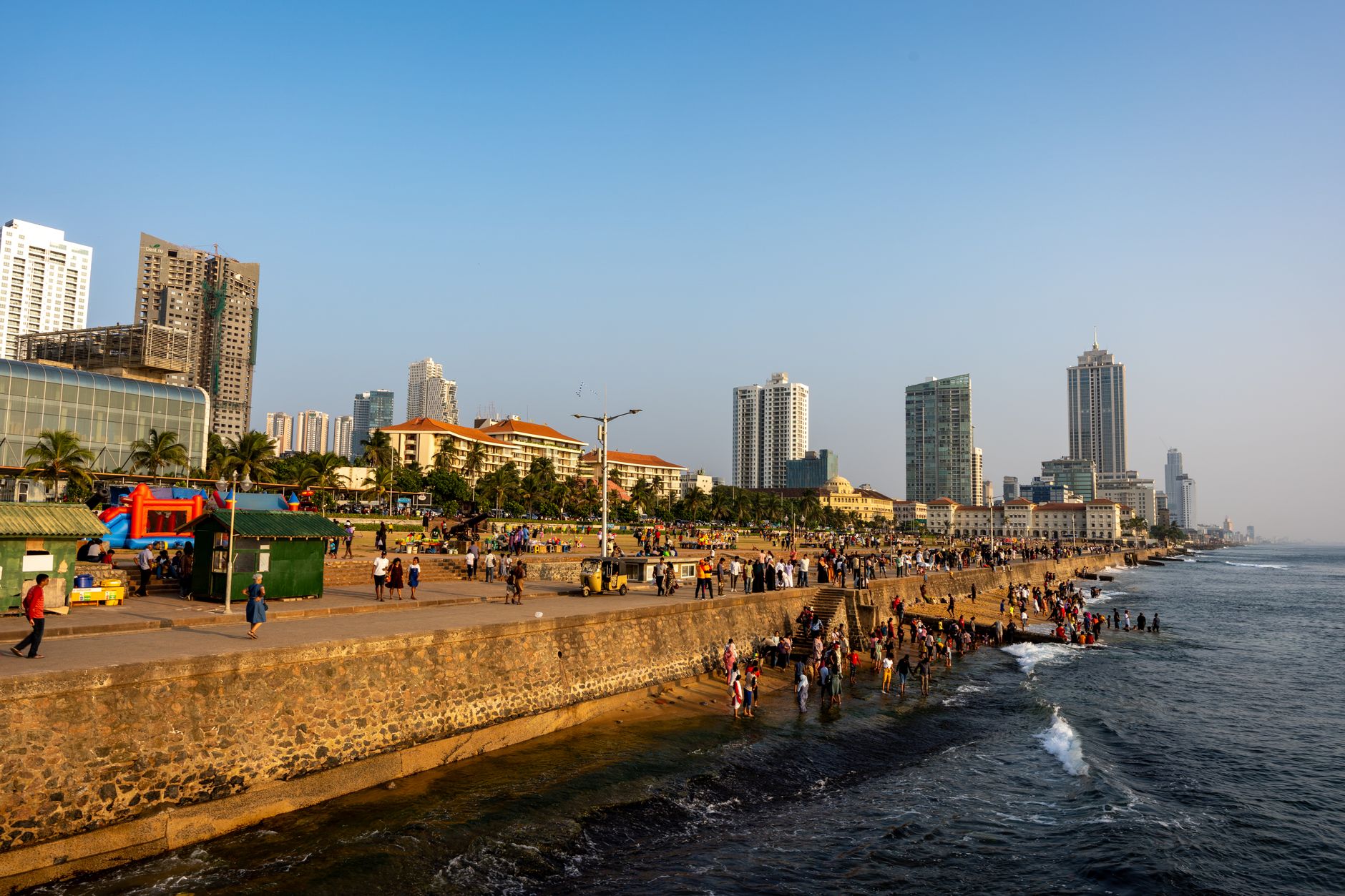
Sri Lankan tourism authorities are actively marketing the destination in India, focusing on lesser-known attractions beyond the traditional circuit of Colombo, Kandy, and Galle. Emerging destinations like Trincomalee on the east coast and the cultural triangle centered around Sigiriya are being positioned as premium tourism hubs.
Challenges and Sustainability
While the growth is promising, it presents challenges. The concentration of tourism development in certain areas raises sustainability concerns. There's also competition from other regional destinations vying for the same Indian premium traveller segment.
The industry must balance growth with environmental conservation and cultural preservation. Some luxury properties are leading by example through eco-friendly practices and community engagement programs, but wider adoption of sustainable tourism practices remains essential.
The transformation of Indian tourists from value seekers to experience seekers represents a sustainable growth opportunity for Sri Lanka's tourism sector. As Indian incomes continue to rise and travel aspirations evolve, this trend is likely to strengthen, potentially establishing Sri Lanka as a preferred premium short-haul destination for Indian travellers seeking diverse experiences in a compact, accessible location.