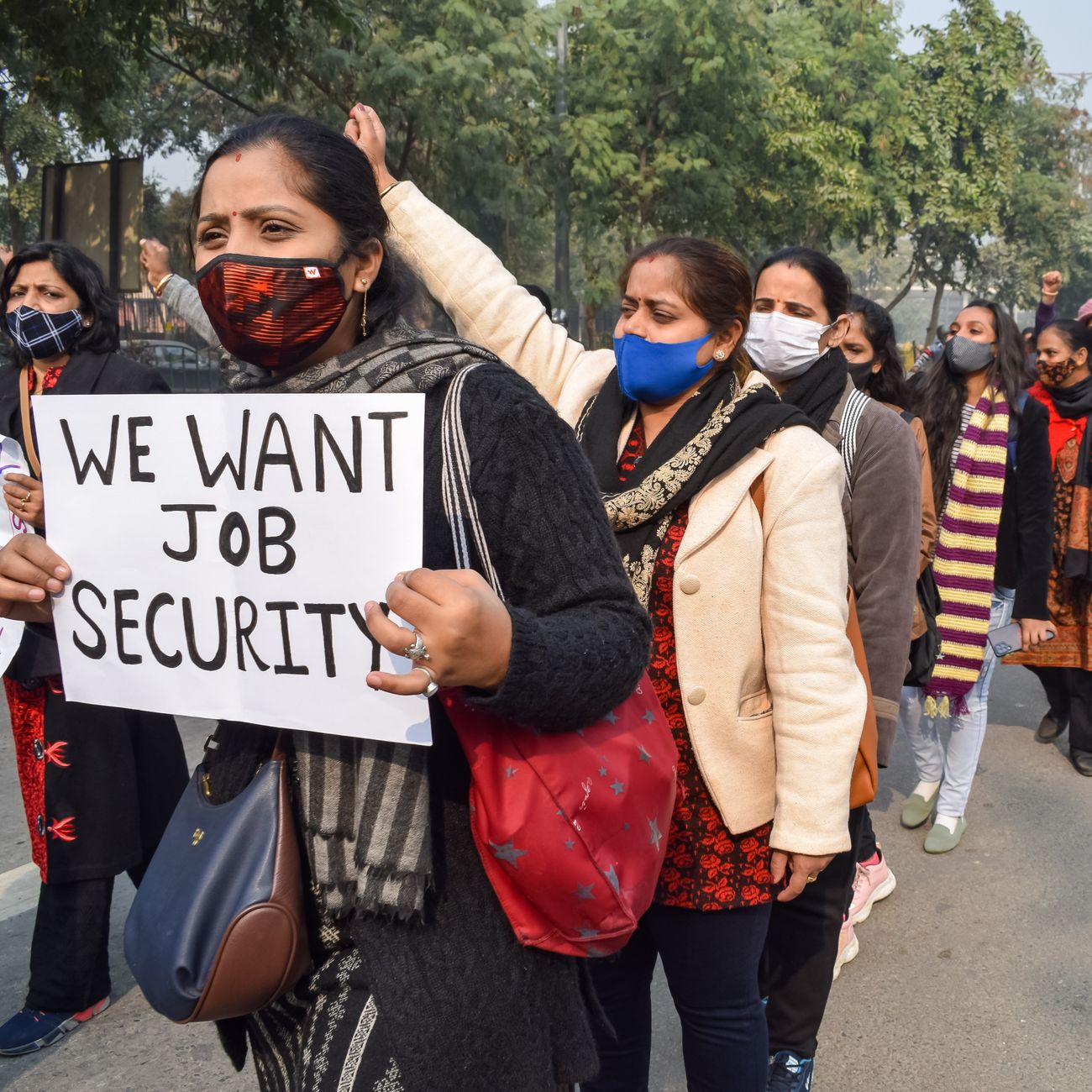

India's major metropolitan areas are experiencing a paradox that puzzles economists and policymakers alike. While job quality is improving and salaries are climbing across sectors, unemployment rates in cities like Mumbai, Delhi, Bangalore, and Hyderabad refuse to budge downward. This phenomenon reveals deeper structural challenges in the country's urban employment landscape that go beyond simple job creation numbers.
The Urban Employment Paradox
Metropolitan India has become the engine room of the country's economic growth, attracting investments across technology, finance, manufacturing, and services. Companies are expanding, creating positions with better compensation packages than ever before. The IT sector alone has added hundreds of thousands of jobs over the past few years, while e-commerce, fintech, and logistics have emerged as significant employment generators.
Yet unemployment persists at concerning levels. The issue is not necessarily a shortage of jobs, but rather a fundamental mismatch between what employers need and what job seekers offer. This skills gap has created a situation where vacancies exist alongside unemployment, leaving both employers and job seekers frustrated.
The Skills Mismatch Challenge
The rapid pace of technological change has fundamentally altered workplace requirements. Entry-level positions that once required basic computer literacy now demand proficiency in specialized software, data analysis capabilities, and digital marketing skills. Manufacturing jobs increasingly require technical knowledge to operate automated systems rather than manual assembly line work.
Educational institutions have struggled to keep pace with these evolving demands. Many graduates enter the job market with theoretical knowledge but lack practical skills that employers value. The traditional degree remains important for eligibility, but employers increasingly seek candidates with demonstrable competencies in specific tools, platforms, and methodologies.
Quality Over Quantity
The nature of urban employment has shifted significantly. Gone are the days when cities could absorb large numbers of workers into manufacturing or basic service roles. Today's urban economy demands higher skill levels across most sectors. While this has elevated salary levels for those who qualify, it has also raised the bar for entry, leaving many potential workers unable to access opportunities.
The gig economy has provided some relief, offering flexible employment options through ride-sharing, food delivery, and freelance platforms. However, these jobs often lack the stability, benefits, and career progression that traditional employment offers, creating a two-tier system where some workers enjoy well-paid, secure positions while others cycle through temporary arrangements.
Geographic and Demographic Factors
Urban unemployment is not uniform across demographics. Young graduates, particularly those from tier-two and tier-three cities who migrate to metros, face especially challenging prospects. They often lack the professional networks, soft skills, and cultural familiarity that urban employers expect. Women continue to face additional barriers, with labor force participation rates remaining concerningly low despite educational gains.
The concentration of certain industries in specific cities has created geographic mismatches as well. A software engineer in a city without a tech hub faces limited options, while Bangalore's tech sector struggles to fill positions. Relocation remains difficult for many workers due to high urban housing costs and family obligations.
The Experience Trap
Employers increasingly prefer candidates with prior work experience, even for entry-level positions. This creates a catch-22 for fresh graduates who cannot gain experience without first securing a job. Internship programs and apprenticeships remain underdeveloped compared to global standards, leaving many young workers unable to bridge the experience gap.
Looking Forward
Addressing urban unemployment requires multi-pronged approaches. Educational reform must prioritize practical skills and industry collaboration. Companies need to invest in training programs that develop talent rather than expecting job-ready candidates. Government initiatives should focus on skill development programs tailored to actual market demands rather than generic training.
The persistence of unemployment amid job growth serves as a reminder that economic development alone does not automatically translate into inclusive employment. As India's cities continue to evolve as economic powerhouses, ensuring that growth benefits reach the broader workforce remains one of the country's most pressing challenges.
The solution lies not in creating more jobs of any kind, but in building bridges between the opportunities that exist and the people seeking them through better education, targeted skill development, and innovative hiring practices that recognize potential alongside existing qualifications.