India's healthcare landscape is undergoing a significant transformation as the government and private sector collaborate to bridge the gap between urban medical facilities and rural populations. Through a combination of community health initiatives and digital innovations, the country is addressing long-standing challenges in healthcare accessibility that have affected hundreds of millions of citizens.
The Community Healthcare Foundation
Community health workers, known as ASHA (Accredited Social Health Activists) workers, form the backbone of India's grassroots healthcare system. These trained volunteers serve as the first point of contact between communities and the formal healthcare system, particularly in rural and semi-urban areas. They provide basic health education, facilitate immunizations, support maternal and child health programs, and help identify patients who need specialized care.
The expansion of Health and Wellness Centres across India represents another crucial step in strengthening community healthcare. These centres, upgraded from primary health centres, offer comprehensive primary healthcare services closer to where people live. They provide screening for non-communicable diseases like diabetes and hypertension, mental health counseling, and elderly care services that were previously unavailable at the grassroots level.
Digital Health Services Transform Access
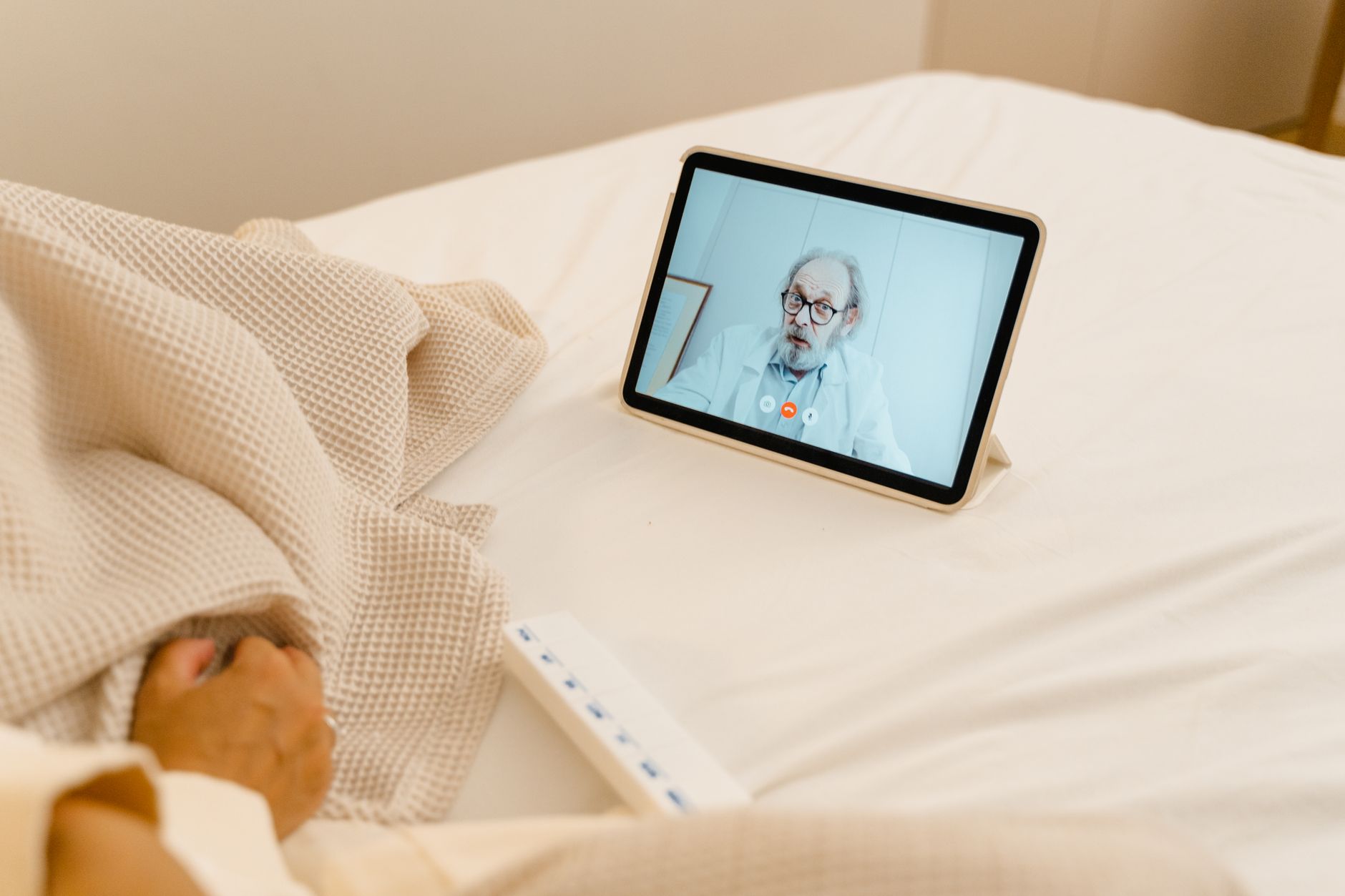
The integration of digital technology into India's healthcare system has accelerated dramatically in recent years. Telemedicine platforms have emerged as game-changers, allowing patients in remote areas to consult with specialists located in major cities without the need for expensive and time-consuming travel. This has proven particularly valuable for follow-up consultations and management of chronic conditions.
The Ayushman Bharat Digital Mission represents one of the most ambitious healthcare digitization efforts globally. This initiative aims to create a comprehensive digital health ecosystem that includes:
- Digital health records accessible across different healthcare providers
- Unique health identification numbers for all citizens
- Online consultation and e-pharmacy services
- Integration of health data for better disease surveillance and management
- Standardized electronic medical records systems
Mobile health applications have proliferated, offering services ranging from appointment booking and prescription management to health monitoring and wellness tracking. These apps have become especially popular among younger Indians and urban populations, helping to reduce the burden on physical healthcare facilities.
Addressing Healthcare Disparities
Despite India's economic growth, significant healthcare disparities persist between urban and rural areas, and between different socioeconomic groups. The strengthened focus on community and digital services specifically targets these inequities. By bringing healthcare services to underserved communities rather than expecting patients to travel long distances, the system becomes more inclusive.
The COVID-19 pandemic accelerated the adoption of digital health services, demonstrating their viability and effectiveness. Many Indians who were initially hesitant about remote consultations became comfortable with the technology out of necessity, and this behavioral shift has persisted beyond the pandemic period.
Challenges and Future Directions
While progress is evident, challenges remain in implementing these healthcare initiatives effectively. Digital literacy varies widely across the population, with older adults and rural residents sometimes struggling to navigate health apps and online services. Internet connectivity issues in remote areas can limit the effectiveness of telemedicine services.
The integration of traditional healthcare systems, including Ayurveda, Yoga, Unani, Siddha, and Homeopathy (AYUSH), with modern medical services continues to evolve. Many community health programs now incorporate elements of traditional medicine alongside conventional treatments, reflecting India's pluralistic approach to healthcare.
Training and retaining qualified healthcare workers, particularly in rural areas, remains an ongoing challenge. The government has introduced incentive programs and improved working conditions to attract medical professionals to underserved regions, though more work is needed in this area.
The Path Forward
The strengthening of healthcare access through community and digital services represents a pragmatic approach to India's unique healthcare challenges. By leveraging the country's growing digital infrastructure and strong community networks, these initiatives have the potential to significantly improve health outcomes for millions of Indians who previously had limited access to quality medical care.
As these programs mature and expand, continued investment in digital infrastructure, healthcare worker training, and public health education will be essential to sustain progress and ensure that healthcare truly becomes accessible to all Indians, regardless of their location or economic status.
This article is for general information purposes only and does not constitute medical advice. Readers should consult qualified healthcare professionals for specific medical concerns and treatment options.