India's Meetings, Incentives, Conferences and Exhibitions (MICE) tourism sector is experiencing unprecedented growth, and the upcoming MILT Congress 2026 in Goa symbolises this transformation. As one of the fastest-growing segments in Indian tourism, MICE travel combines business with leisure, creating substantial economic opportunities for destinations across the country.
Understanding the MICE Tourism Phenomenon
MICE tourism represents a high-value segment where businesses organise corporate meetings, reward employee incentive trips, host industry conferences, and conduct trade exhibitions. Unlike leisure tourism, MICE travellers typically have higher spending power and longer stays, making this sector particularly attractive for destinations seeking quality tourism revenue.
India has emerged as a compelling MICE destination due to its competitive pricing, world-class infrastructure development, diverse locations ranging from beach resorts to heritage properties, and improving connectivity through expanded air networks. The country's ability to offer both modern convention facilities and unique cultural experiences gives it a distinctive edge in the global MICE market.
Why Goa Makes Strategic Sense
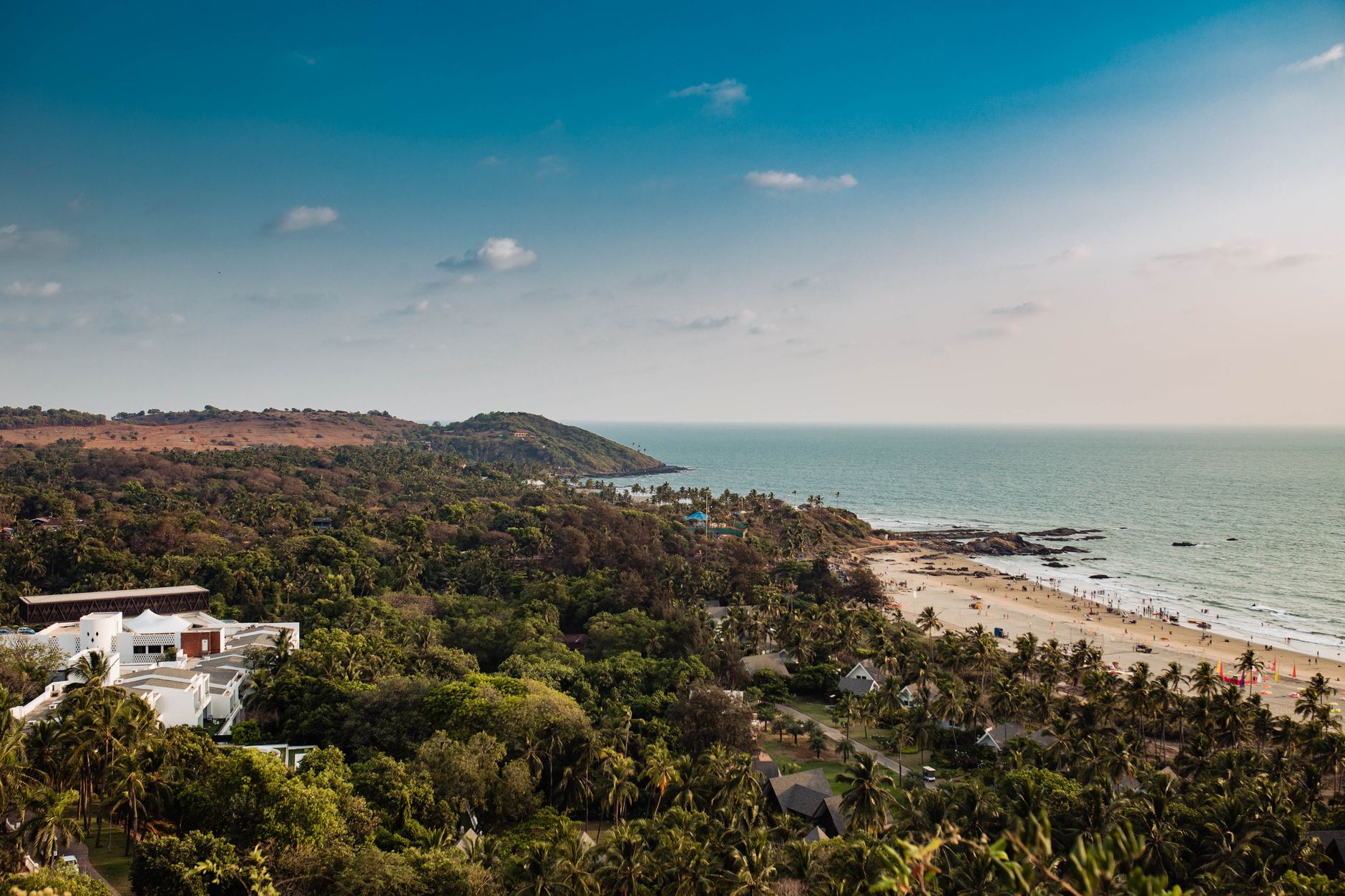
Goa's selection as the venue for this major industry gathering reflects the state's evolution beyond its traditional leisure tourism image. The coastal destination offers several advantages for business events. Its compact geography means hotels, convention centres and leisure activities are within easy reach. The state boasts numerous five-star properties with adequate meeting infrastructure, and its reputation as a relaxation destination allows seamless blending of business and pleasure.
The pleasant weather during most of the year, international airport connectivity, and established tourism ecosystem make Goa an increasingly popular choice for corporate events. Additionally, the destination's relatively relaxed atmosphere helps foster the networking and relationship-building that forms the core of successful business gatherings.
The Convergence of Key Industry Players
The gathering of 150-plus corporate buyers alongside global hospitality giants and destination experts signals the MICE sector's maturity in India. Corporate buyers represent companies seeking venues and services for their business events, from pharmaceutical conferences to technology summits and automotive dealer meets. Their presence indicates strong demand for Indian MICE destinations.
Global hospitality chains bring international best practices, quality standards, and operational expertise to Indian venues. Their participation demonstrates confidence in India's MICE potential and willingness to invest in this growing market segment. Destination management companies and local experts provide the ground-level knowledge required to execute seamless events that showcase India's unique offerings.
Innovation Reshaping Business Events
The modern MICE landscape emphasises several innovative approaches. Technology integration through virtual and hybrid event capabilities has become standard, allowing broader participation while reducing carbon footprints. Sustainable event management practices are increasingly demanded by corporate clients conscious of their environmental impact.
Experiential elements that incorporate local culture, cuisine, and activities help differentiate events and create memorable experiences for participants. Wellness components, from yoga sessions to healthy dining options, reflect evolving corporate priorities around employee wellbeing. Data analytics enable better understanding of attendee preferences and event effectiveness.
Personalisation as Competitive Advantage
Generic, one-size-fits-all events no longer satisfy sophisticated corporate clients. Personalisation now extends across multiple dimensions. Customised agendas accommodate diverse participant interests and learning objectives. Dietary preferences, accessibility requirements, and cultural sensitivities receive careful attention.
Technology enables personalised networking recommendations connecting attendees with shared interests. Tailored pre- and post-event communications maintain engagement beyond the gathering itself. Even accommodation and activity options can be personalised based on individual preferences while maintaining group cohesion.
Building Trust in Post-Pandemic Environment
Trust has emerged as a crucial factor following the disruption caused by the pandemic. Corporate clients need assurance that venues can deliver on commitments, handle contingencies professionally, and maintain transparent communication. Health and safety protocols, though less prominent than during peak pandemic periods, remain important considerations.
Contractual flexibility, clear cancellation policies, and demonstrated crisis management capabilities help build confidence. Reputation, references, and track record carry significant weight in venue selection decisions. The MICE industry's emphasis on relationship-building reflects this trust-centered approach.
Economic Impact and Future Outlook
The MICE sector generates substantial economic benefits through accommodation, dining, transportation, entertainment, and local purchases. Events often occur during off-peak tourist seasons, helping destinations maintain year-round revenue streams. The sector also creates skilled employment opportunities in event management, hospitality, and related services.
India's MICE market is projected to grow significantly as more companies recognise the value of face-to-face gatherings despite digital alternatives. Tier-2 and Tier-3 cities are developing MICE infrastructure, spreading economic benefits beyond established hubs. Government initiatives supporting convention centres and easing event-related regulations further strengthen the sector's prospects.
The convergence of industry leaders in Goa represents both celebration of achieved progress and strategising for future growth in India's dynamic MICE and luxury travel landscape.