India has renewed its pledge to eliminate cervical cancer as a public health problem, with Union Health Minister JP Nadda emphasizing the government's continued efforts in this direction. This commitment aligns with the World Health Organization's global strategy to eliminate cervical cancer, which targets specific vaccination, screening, and treatment benchmarks by 2030.
Understanding Cervical Cancer in India
Cervical cancer remains one of the leading causes of cancer-related deaths among Indian women. Each year, approximately 120,000 new cases are diagnosed in India, accounting for nearly one-fourth of the global cervical cancer burden. The disease primarily affects women between the ages of 35 and 55, though it can occur at any age.
The good news is that cervical cancer is largely preventable and treatable when detected early. The disease is caused primarily by persistent infection with high-risk strains of the Human Papillomavirus (HPV), a sexually transmitted infection that most people contract at some point in their lives.
Government Initiatives and Strategy
India's cervical cancer elimination strategy rests on three main pillars:
- HPV vaccination for girls aged 9-14 years before they become sexually active
- Screening of women aged 30-65 years using affordable and accurate methods
- Timely treatment of pre-cancerous lesions and cancer cases
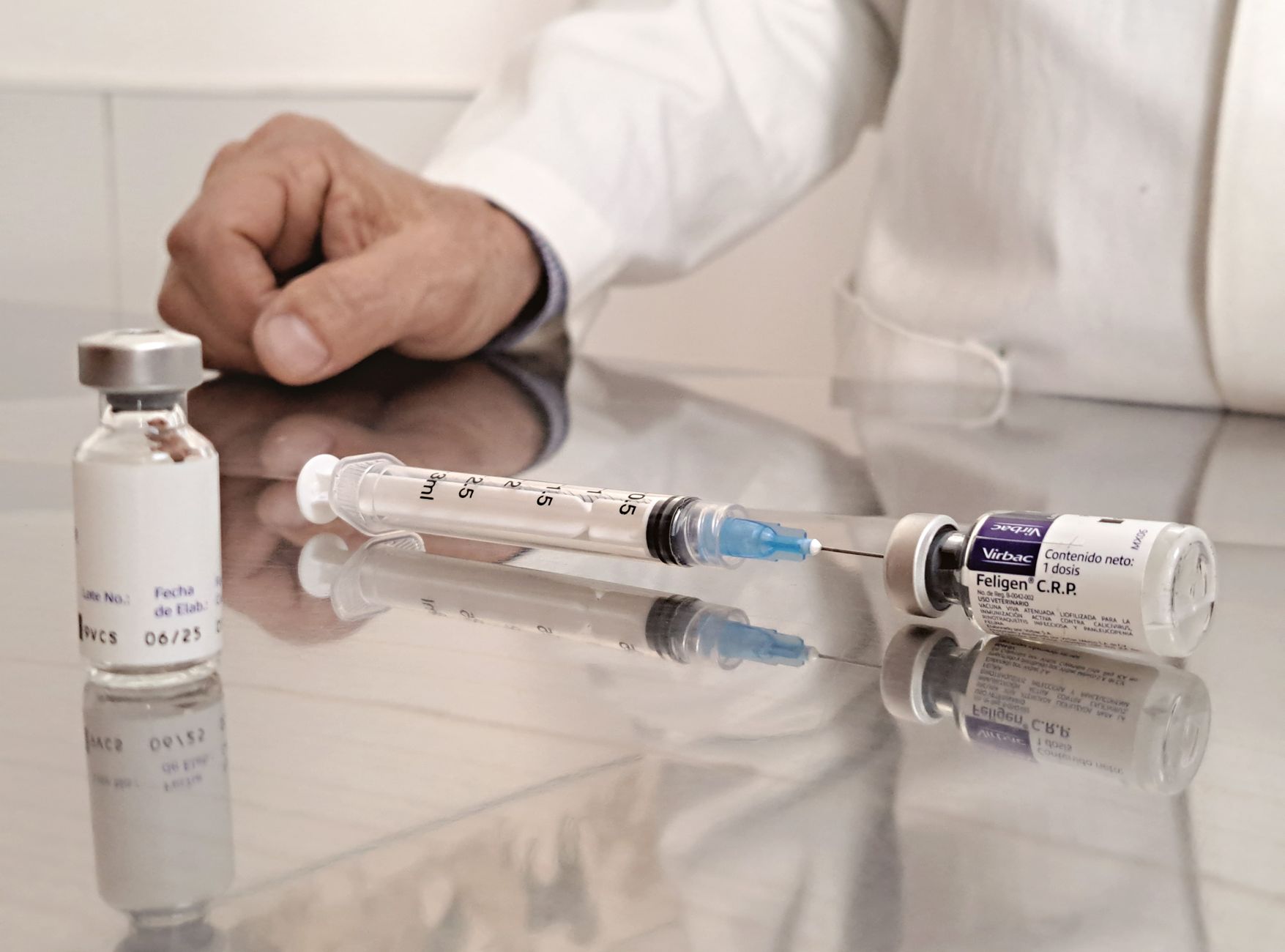
The government has introduced the HPV vaccine into the Universal Immunization Programme, making it available free of cost to eligible girls. This represents a significant step forward, as the vaccine was previously available only in private healthcare settings at considerable cost.
The Role of Vaccination
HPV vaccination is considered the most effective primary prevention strategy against cervical cancer. The vaccine protects against the most dangerous strains of HPV responsible for approximately 70 percent of cervical cancer cases. When administered before exposure to the virus, the vaccine is highly effective in preventing future infections.
Countries that have achieved high vaccination coverage have already seen dramatic reductions in HPV infections and pre-cancerous changes. Australia, for instance, is on track to become the first country to eliminate cervical cancer as a public health problem, largely due to its comprehensive vaccination programme.
Screening and Early Detection
While vaccination protects future generations, screening remains crucial for women who are already past the vaccination age or were not vaccinated. Regular screening can detect pre-cancerous changes in the cervix before they develop into cancer, allowing for simple, effective treatment.
India has been expanding its screening programmes through various initiatives, including the use of visual inspection with acetic acid (VIA), a cost-effective method suitable for resource-limited settings. More recently, HPV DNA testing has been introduced in select centres, offering higher sensitivity in detecting high-risk infections.
Challenges Ahead
Despite these initiatives, several challenges remain in India's journey toward cervical cancer elimination:
- Limited awareness about cervical cancer and preventive measures, especially in rural areas
- Social stigma associated with discussing reproductive health and sexually transmitted infections
- Infrastructure gaps in screening and treatment facilities, particularly in remote regions
- Need for training more healthcare workers in screening techniques and early management
- Ensuring sustained vaccine supply and cold chain maintenance across the country
What Women Can Do
Women play a crucial role in cervical cancer prevention. Regular screening as per recommended guidelines is essential, even for those who have been vaccinated. The vaccine does not protect against all HPV types, making screening important throughout life.
Women should also be aware of warning signs such as abnormal vaginal bleeding, unusual discharge, or pelvic pain, and seek medical attention promptly. However, it's important to note that cervical cancer often has no symptoms in its early stages, which is why regular screening is so important regardless of how one feels.
The Path Forward
India's renewed commitment to eliminating cervical cancer represents a significant public health priority. Achieving the WHO targets will require coordinated efforts between central and state governments, healthcare providers, civil society organizations, and communities. Sustained political will, adequate funding, and effective implementation of existing programmes will be key to success.
As awareness grows and programmes expand, there is genuine hope that India can substantially reduce the burden of cervical cancer in the coming years, saving thousands of lives and improving women's health outcomes across the country.
This article is for general informational purposes only and should not be considered medical advice. Women should consult qualified healthcare providers for personalized guidance on cervical cancer screening and prevention appropriate to their individual circumstances.