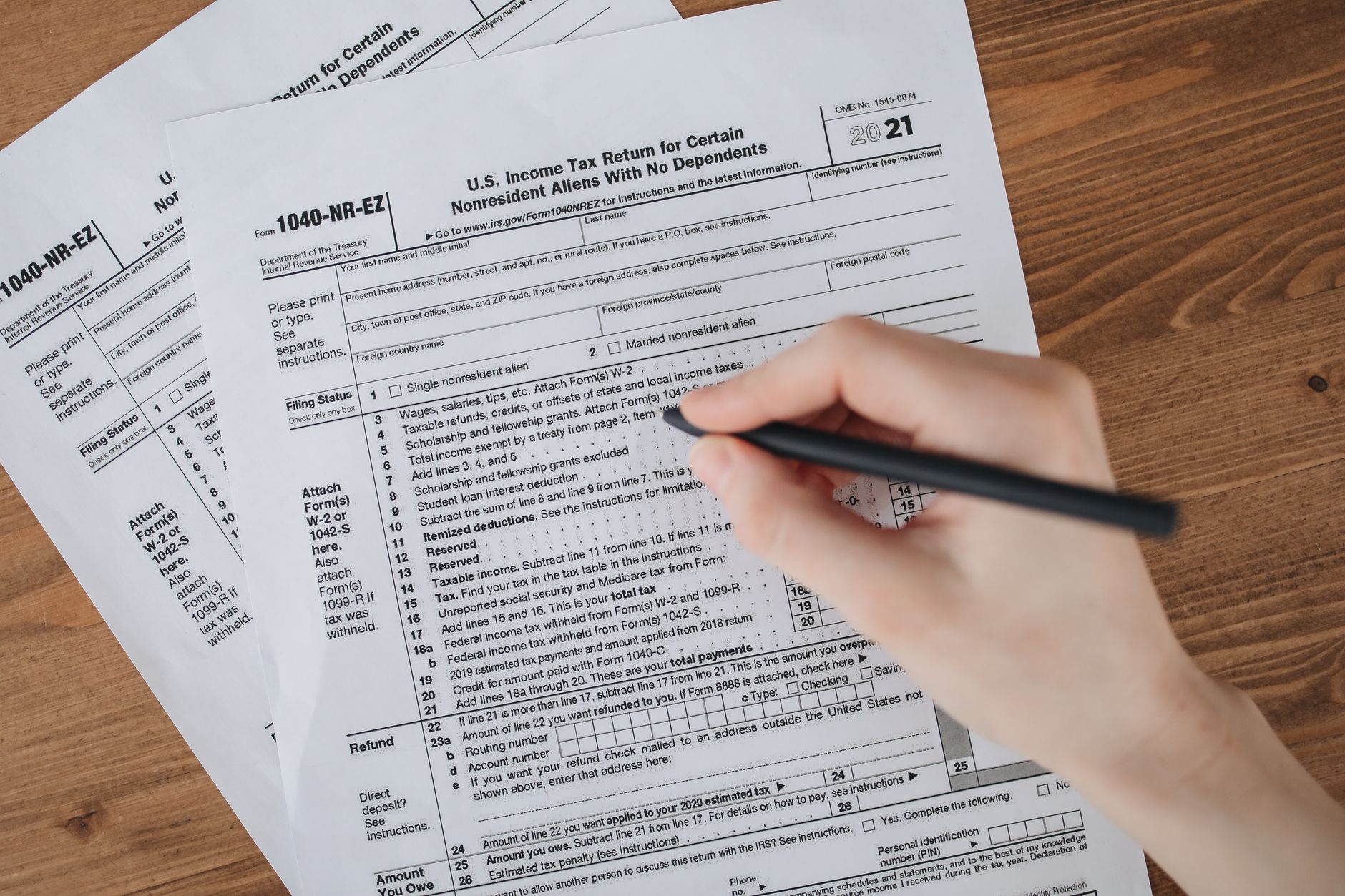

Many taxpayers assume that if their annual income falls below the basic exemption threshold of Rs 2.5 lakh under the old tax regime or remains within the rebate limit of Rs 7 lakh under the new regime, they are not required to file an Income Tax Return (ITR). However, Indian tax laws specify several situations where filing becomes mandatory regardless of income level.
Understanding the Basic Exemption Limits
The Income Tax Act provides a basic exemption limit below which no tax is payable. Under the old tax regime, individuals with income up to Rs 2.5 lakh are exempt from tax, while senior citizens enjoy a higher limit of Rs 3 lakh, and super senior citizens get Rs 5 lakh. The new tax regime offers a rebate under Section 87A for income up to Rs 7 lakh, effectively making such income tax-free.
However, being exempt from paying tax is different from being exempt from filing a return.
When ITR Filing Becomes Mandatory
The Income Tax Department has outlined specific circumstances that trigger mandatory ITR filing, even if your taxable income is below the exemption threshold or no tax is payable.
High-Value Financial Transactions
If you have engaged in certain high-value transactions during the financial year, ITR filing becomes compulsory. These include:
- Electricity consumption exceeding Rs 1 lakh in a year
- Deposits in savings bank accounts totaling Rs 50 lakh or more
- Expenditure on foreign travel exceeding Rs 2 lakh for yourself or another person
- Deposits in current accounts aggregating to Rs 1 crore or more
- Payment of credit card bills amounting to Rs 1 lakh or more
- Purchase of bonds or debentures worth Rs 1 lakh or more
- Payment of life insurance premium exceeding Rs 50,000 in a year
TDS Deducted on Your Income
If Tax Deducted at Source (TDS) has been deducted from your income during the financial year, you should file ITR to claim a refund. This commonly applies to individuals earning interest income, freelance payments, or contract-based income where TDS is deducted even though total income remains below taxable limits.
Business or Professional Income
Individuals carrying on a business or profession must file ITR if their total sales, turnover, or gross receipts exceed Rs 60 lakh in a financial year, regardless of profit or loss. For professionals, the threshold is Rs 10 lakh.
Even if these thresholds aren't crossed, filing may be beneficial to maintain proper business records and establish income proof.
Benefits of Voluntary ITR Filing
Even when not mandatory, filing ITR offers several advantages:
Filing ITR serves as valid income proof for loan applications, visa processing, and government tenders. It creates an official financial record that banks and institutions recognize. Additionally, losses from house property, business, or capital assets can be carried forward only if you file returns within the due date. These losses can offset future profits, reducing tax liability in subsequent years.
A consistent ITR filing history also builds credibility with financial institutions and can expedite processes requiring income verification.
Consequences of Non-Filing
Failing to file ITR when mandatory can attract penalties under Section 234F. A late filing fee of Rs 5,000 applies if ITR is filed after the due date. For taxpayers with total income below Rs 5 lakh, this penalty is reduced to Rs 1,000. Beyond penalties, non-compliance can lead to scrutiny from tax authorities and potential legal complications.
Due Dates and Compliance
For individuals without audit requirements, the ITR filing deadline is typically July 31st of the assessment year. For the financial year 2023-24 (assessment year 2024-25), taxpayers should verify the exact deadline as extensions are sometimes granted.
Choosing the Right ITR Form
Different ITR forms apply based on income sources. ITR-1 (Sahaj) suits salaried individuals with income from one house property and other sources. ITR-2 covers individuals with capital gains or multiple house properties, while ITR-3 and ITR-4 apply to business and professional income.
Understanding your filing obligations helps maintain compliance with tax laws and protects against unnecessary penalties. Even if your income seems too low to warrant attention, meeting the specified transaction thresholds makes filing a legal requirement.
This article provides general information about income tax filing requirements and should not be considered as professional tax advice. Tax laws are subject to change, and individual circumstances vary. Consult a qualified tax professional or chartered accountant for advice specific to your situation.