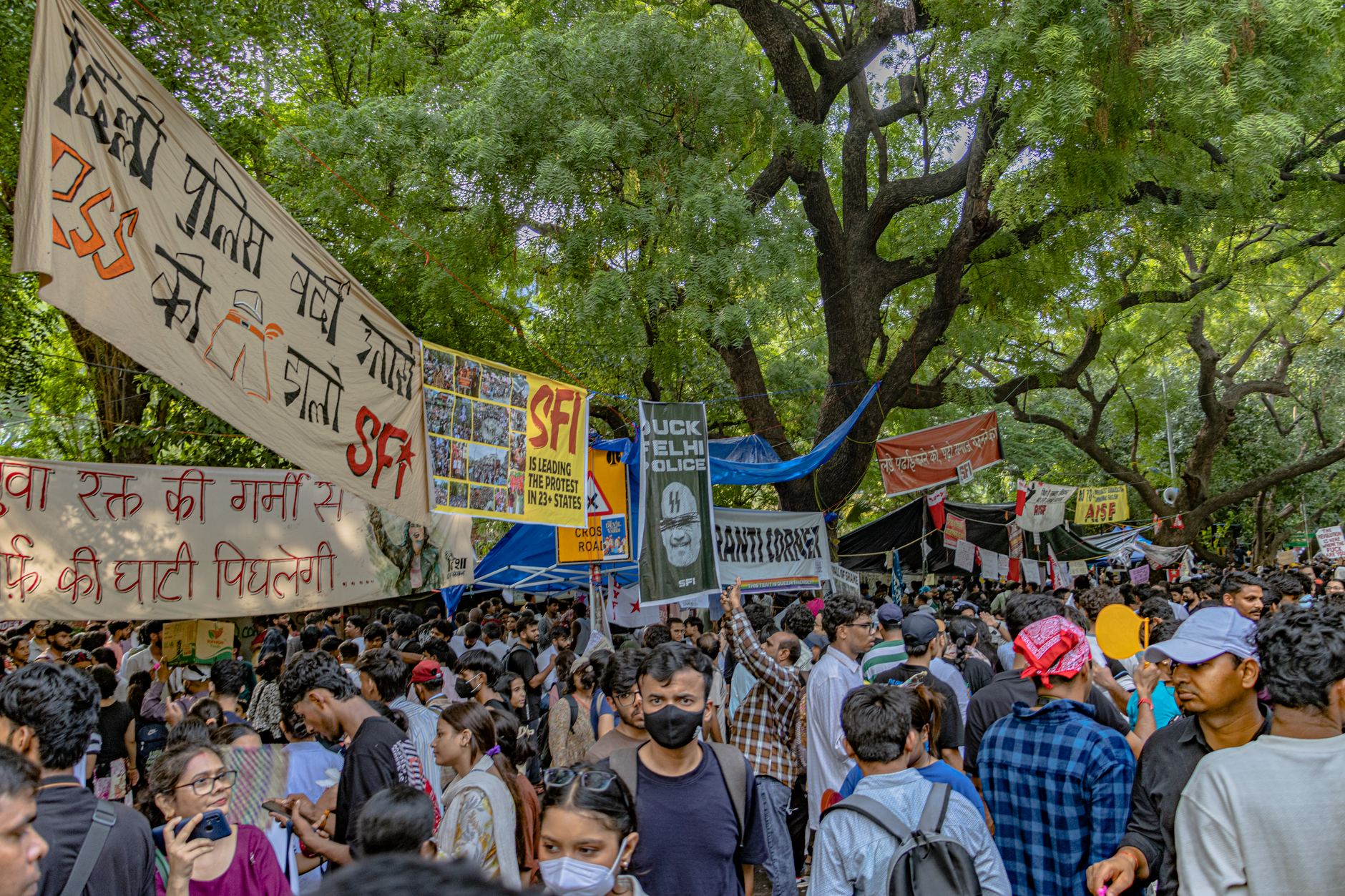
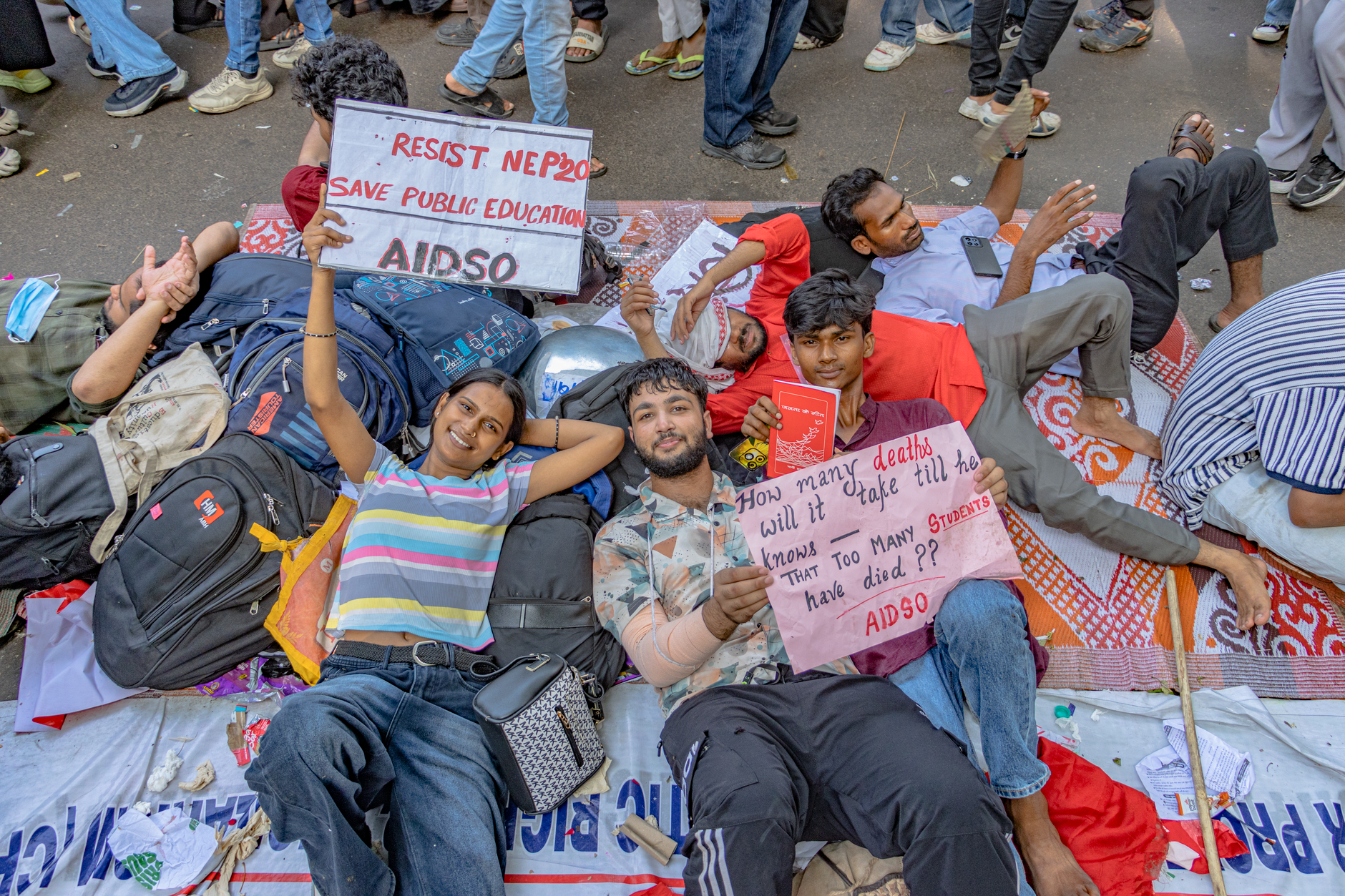
The introduction of a new anti-paper leak bill marks a significant turning point in India's ongoing battle against examination fraud. Education Minister Pralhad Joshi's announcement signals the government's commitment to dismantling what he termed the "paper leak ecosystem" – a network that has undermined the credibility of competitive examinations and caused immense distress to millions of aspirants.
The Paper Leak Crisis in India
Over the past several years, India has witnessed a disturbing pattern of examination paper leaks affecting everything from civil services examinations to state-level recruitment tests. These breaches have not only compromised the integrity of the selection process but have also shattered the dreams of honest candidates who invest years in preparation.
Recent high-profile cases have exposed how organized networks operate, involving everyone from examination center staff to coaching institutes, creating a multi-crore illegal industry. The social and economic costs are enormous – candidates lose faith in meritocracy, government positions remain unfilled, and the psychological toll on affected students is immeasurable.
Key Features of the Proposed Legislation
While the complete details of the bill await parliamentary scrutiny, the education minister's statements suggest several crucial components designed to create a comprehensive deterrent framework.
The legislation reportedly focuses on:
- Introducing stringent criminal penalties for individuals involved in leaking examination papers
- Establishing paper leaks as cognizable offenses with potential imprisonment terms
- Creating accountability mechanisms for examination conducting bodies
- Implementing mandatory technology upgrades for examination security
- Establishing special fast-track courts to expedite paper leak cases
Technology as a Safeguard
A central pillar of the proposed reforms involves leveraging technology to prevent leaks before they occur. This includes encrypted question paper transmission, biometric authentication at examination centers, and real-time monitoring systems.
The bill likely mandates digital question paper generation closer to examination time, reducing the window of vulnerability. Advanced randomization of question papers, CCTV surveillance with AI-powered anomaly detection, and blockchain-based secure distribution systems may become standard requirements for conducting bodies.
Accountability for Examination Bodies
One of the most significant aspects of the legislation is the accountability it imposes on organizations conducting examinations. Previously, when paper leaks occurred, the consequences for institutional negligence were minimal. The new framework is expected to hold senior officials personally responsible for security lapses.
This could mean that examination controllers, security officers, and administrative heads face legal action if investigations reveal negligence or failure to implement prescribed security protocols. Such provisions aim to transform organizational culture from reactive to proactive security measures.
Impact on Students and Aspirants
For the millions of young Indians preparing for competitive examinations, this legislation brings hope for a fairer playing field. Students invest considerable time, money, and emotional energy in preparation – often making significant family sacrifices. Paper leaks not only nullify this effort but also create anxiety about whether merit truly determines success.
The bill's passage could restore confidence in the examination system, encouraging more candidates to participate without fear of being disadvantaged by fraudulent practices. However, the true test will be implementation and enforcement.
Challenges in Implementation
Despite good intentions, several challenges lie ahead. India conducts thousands of examinations annually across various levels of governance. Ensuring uniform security standards across all states and examination bodies requires substantial infrastructure investment and training.
The paper leak ecosystem involves sophisticated networks with political and financial resources. Breaking these will require sustained law enforcement efforts, protected whistleblower mechanisms, and corruption-free investigation processes. The judiciary must also be equipped to handle the expected surge in cases under the new law.
Looking Forward
The anti-paper leak bill represents more than just legal reform – it symbolizes a commitment to protecting India's meritocratic ideals. For a nation where competitive examinations serve as crucial gateways to social mobility, ensuring their integrity is not merely administrative but fundamentally about social justice.
Success will depend on coordination between central and state governments, adequate funding for technological upgrades, regular audits of examination security protocols, and most importantly, political will to prosecute offenders regardless of their connections.
As the bill moves through the legislative process, stakeholders across the education sector will watch closely. For India's youth, it offers renewed hope that their hard work, not someone else's fraud, will determine their future.
This article is for general informational purposes only and does not constitute legal advice. Readers should consult official government notifications and legal experts for specific guidance on examination regulations and their rights.