
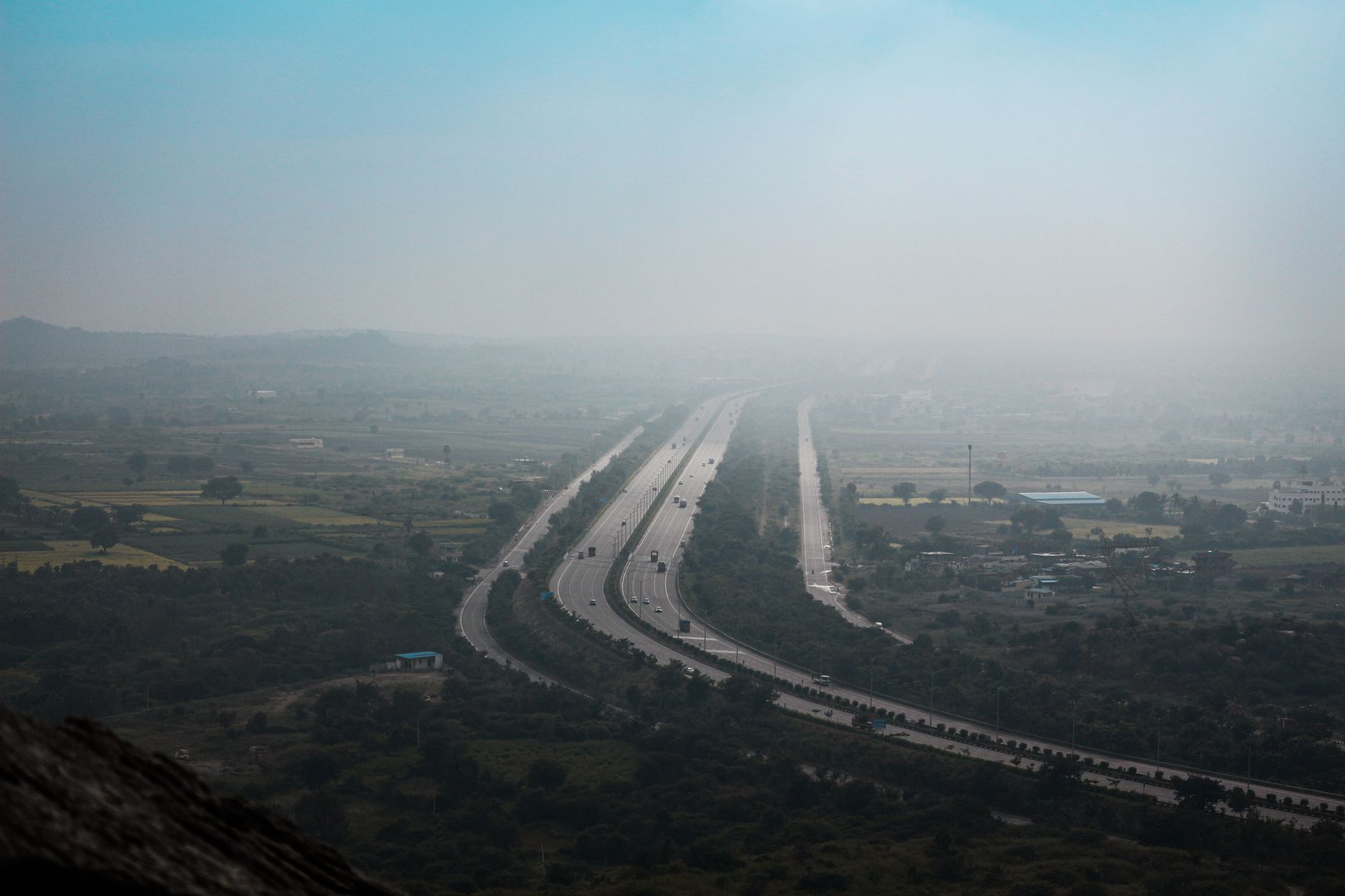
The Indian government's ambitious ₹7,597 crore highway expansion project for National Highways 63 and 563 in northern Telangana represents a transformative step toward improving regional connectivity, boosting tourism infrastructure, and accelerating economic growth in one of the country's strategically important areas.
Understanding the Scale of the Project
The National Highway expansion encompasses critical arterial routes that connect several districts in northern Telangana, including Nizamabad, Kamareddy, Jagityal, and Peddapalli. These highways serve as vital corridors linking Telangana with neighboring states like Maharashtra and Karnataka, facilitating interstate commerce and passenger movement.
The substantial investment will fund comprehensive upgrades including road widening, construction of bypasses around congested urban areas, development of service roads, installation of modern safety features, and improvement of drainage systems. The project also includes plans for dedicated truck lay-bys and rest areas to enhance road safety and reduce congestion.
Impact on Pilgrimage Tourism
Northern Telangana houses numerous significant religious sites that attract millions of pilgrims annually. The region is home to ancient temples, historic gurudwaras, and other places of worship that hold immense cultural and spiritual significance.
The improved highway infrastructure will dramatically reduce travel time to popular pilgrimage destinations, making them more accessible to devotees from across India. Better road conditions mean safer journeys, particularly during peak pilgrimage seasons when visitor numbers surge. Enhanced connectivity will also encourage the development of supporting tourism infrastructure including hotels, restaurants, and visitor facilities near these religious sites.
Popular destinations expected to benefit include various temples in the Nizamabad and Jagityal districts, which currently face accessibility challenges during monsoon seasons and festivals when roads become congested.
Economic Growth and Trade Facilitation
The highway expansion carries significant implications for regional economic development. Northern Telangana's economy relies heavily on agriculture, with the region being a major producer of rice, turmeric, and various pulses. Improved highway connectivity will reduce transportation costs for agricultural produce, enabling farmers to access larger markets more efficiently.
The manufacturing and industrial sectors will also benefit substantially. Better logistics connectivity reduces the time and cost of moving raw materials and finished goods, making the region more attractive for industrial investments. Several industrial corridors and special economic zones in the area will experience improved accessibility, potentially attracting new businesses and creating employment opportunities.
Small and medium enterprises, which form the backbone of the local economy, will find it easier to integrate into larger supply chains and expand their market reach beyond district boundaries.
Regional Connectivity Enhancements
The project addresses long-standing connectivity gaps in northern Telangana. Many villages and small towns in the region currently lack reliable all-weather road access to district headquarters and commercial centers. The expanded highway network, combined with improved feeder roads, will integrate these communities into the mainstream economy.
Enhanced connectivity facilitates better access to healthcare facilities, educational institutions, and government services for rural populations. Students can commute to colleges and universities more easily, while patients can reach hospitals during emergencies without delay.
Timeline and Implementation
Large-scale highway projects in India typically follow phased implementation schedules. The development likely involves multiple contractors working on different sections simultaneously to expedite completion. Key activities include land acquisition, environmental clearances, detailed engineering surveys, and construction phases.
The project execution requires coordination between the National Highways Authority of India, state government departments, and local administration. Community consultation and minimizing disruption to existing traffic flow remain important considerations during construction.
Broader Regional Implications
This highway expansion aligns with the national vision of improving rural-urban connectivity and creating economic corridors that drive balanced regional development. It complements other infrastructure initiatives in Telangana, including irrigation projects, industrial parks, and urban development programs.
The improved highways will likely catalyze secondary investments in logistics parks, warehousing facilities, and commercial complexes along the routes. Real estate development typically follows major infrastructure improvements, potentially transforming towns along these corridors.
The project demonstrates the government's commitment to developing infrastructure in regions that have historically faced connectivity challenges, ensuring inclusive growth across all parts of the country. As construction progresses, northern Telangana stands poised for a significant transformation in its economic landscape and quality of life for residents.