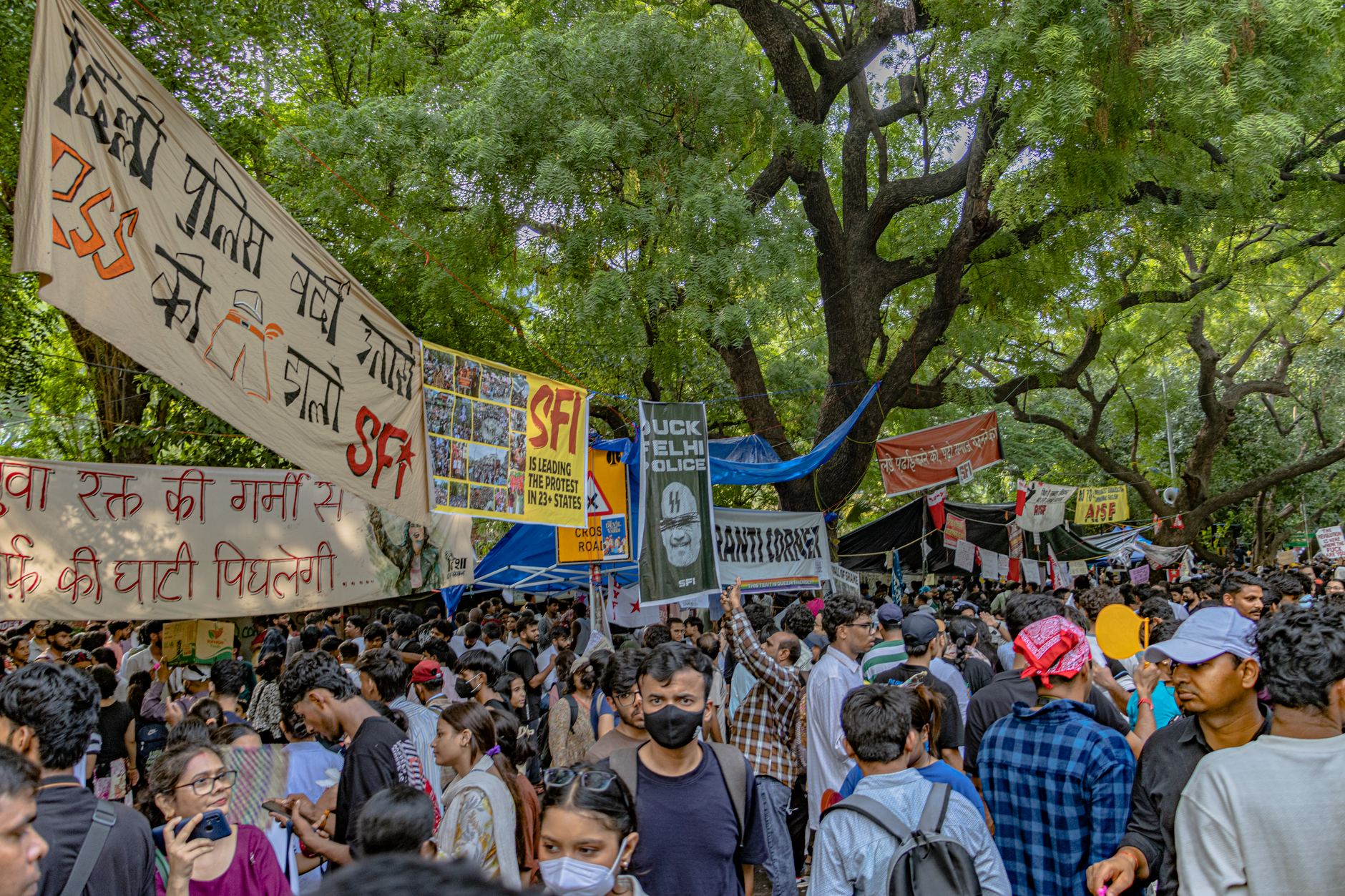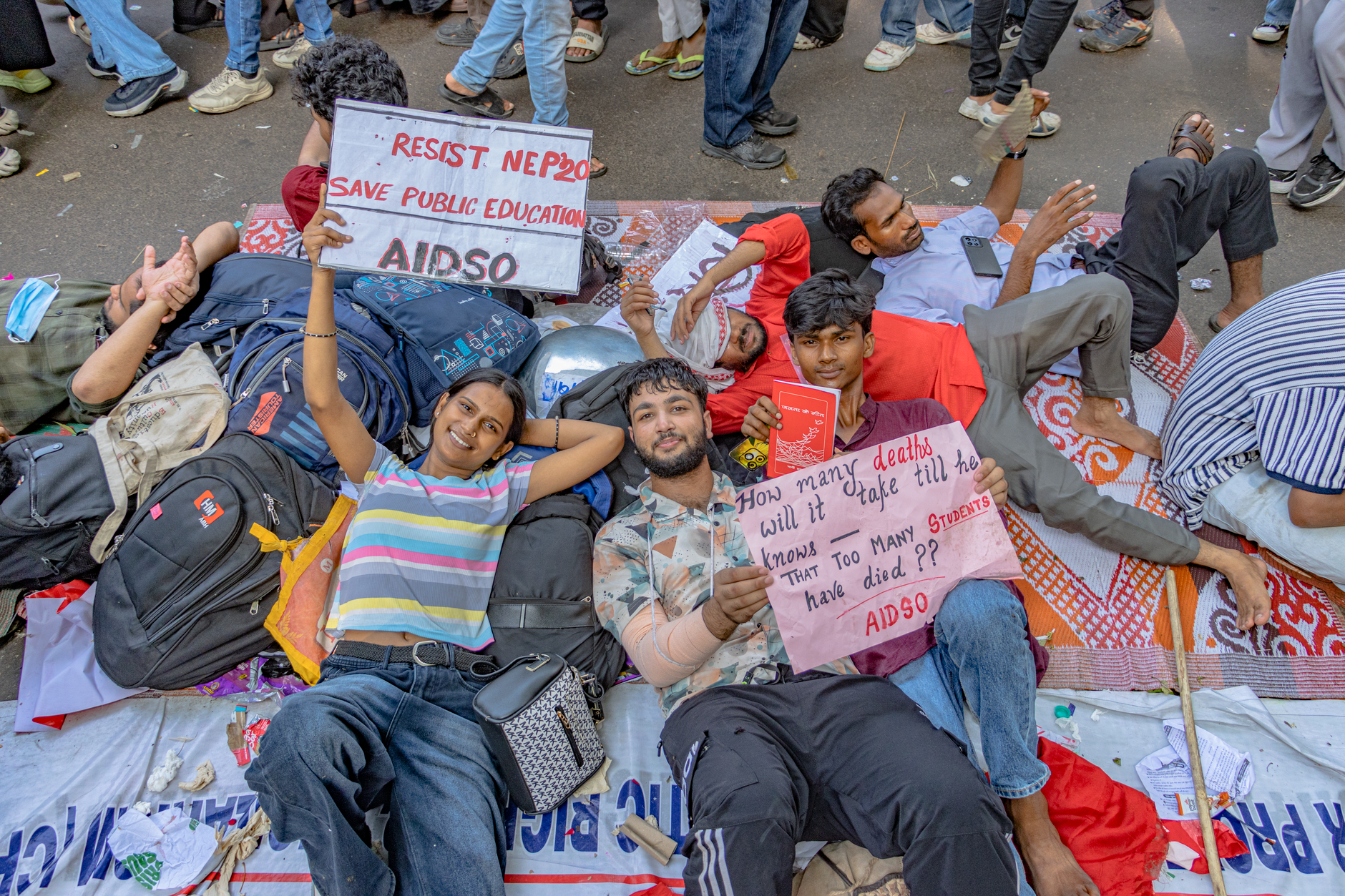

India's competitive examination system, which serves as a gateway for millions of young people seeking government jobs and higher education opportunities, is facing an unprecedented crisis of credibility. Recent incidents of paper leaks have not only disrupted the lives of countless aspirants but have also highlighted deep-rooted problems in how high-stakes examinations are conducted, stored, and administered across the country.
The Scale of the Problem
Paper leaks have become alarmingly frequent in recent years, affecting examinations at both state and national levels. From teacher recruitment exams to prestigious civil services preliminary tests, the breach of examination security has become a recurring nightmare for students who invest years of preparation and significant financial resources.
The impact extends beyond individual disappointment. When exam papers are leaked, entire selection processes must be cancelled and rescheduled, creating cascading delays in recruitment cycles. This affects government departments facing staff shortages and, more critically, leaves millions of aspirants in prolonged uncertainty about their career prospects.
Understanding How Leaks Occur
Examination paper leaks typically happen through multiple vulnerabilities in the system. The printing and distribution process involves numerous touchpoints where security can be compromised. Papers are often printed weeks in advance and must be transported to exam centres across vast geographical areas, creating opportunities for theft or unauthorized access.
Human elements represent another weak link. Insiders with access to question papers—whether printing press employees, logistics personnel, or examination centre staff—have been implicated in numerous cases. Criminal networks have also emerged, operating sophisticated rackets that charge aspirants substantial sums for leaked papers or advance information.
Digital vulnerabilities add another layer of risk. As examination processes increasingly involve computer-based systems for question bank management and distribution, cybersecurity lapses can expose sensitive data to hackers and organized crime groups.
The Human Cost
Behind the statistics of cancelled exams and rescheduled dates are millions of individual stories of disrupted dreams. Aspirants often spend years preparing for single opportunities, with families making significant financial sacrifices to support their education and exam preparation.
For students from economically disadvantaged backgrounds, the repeated cancellations and rescheduling create additional burdens. Many cannot afford multiple trips to distant examination centres or extended periods away from income-generating activities. The uncertainty also takes a psychological toll, with reports of anxiety and depression among affected students becoming increasingly common.
The crisis has also eroded trust in meritocracy. When leaks occur, suspicions arise that those with resources or connections may have gained unfair advantages, undermining the fundamental principle that competitive exams should provide equal opportunity based solely on merit and preparation.
Proposed Solutions and Reforms
Addressing the paper leak crisis requires comprehensive reforms across multiple dimensions:
- Implementing advanced encryption and digital tracking systems for question papers throughout their lifecycle
- Reducing the time gap between paper printing and examination conduct
- Establishing secure, centralized printing facilities with stringent access controls
- Deploying biometric authentication for all personnel handling examination materials
- Increasing randomization in question paper distribution to different centres
- Strengthening legal frameworks with severe penalties for those involved in leaks
- Creating independent examination regulatory authorities with oversight powers
Some education experts advocate for moving toward dynamic question banks where computer-based exams generate unique question sets for each candidate, making large-scale leaks virtually impossible. However, this requires substantial infrastructure investment and may not be feasible for all examination types.
The Need for Systemic Change
Beyond immediate technical fixes, the recurring paper leaks point to deeper institutional weaknesses. Many examination conducting bodies operate with outdated procedures, insufficient funding, and inadequate accountability mechanisms. Political interference in recruitment processes and examination administration has also been cited as a contributing factor in some cases.
Building a robust, leak-proof examination system requires sustained commitment from policymakers, adequate resource allocation, and genuine political will to prioritize institutional integrity over short-term considerations. It also demands transparency in investigation and prosecution of those responsible for leaks, sending a clear message that such breaches will not be tolerated.
The future of millions of young Indians depends on restoring faith in the examination system. Without credible, fair, and secure competitive exams, the pathway to social mobility and professional opportunity becomes compromised, with far-reaching implications for both individual futures and national development.