
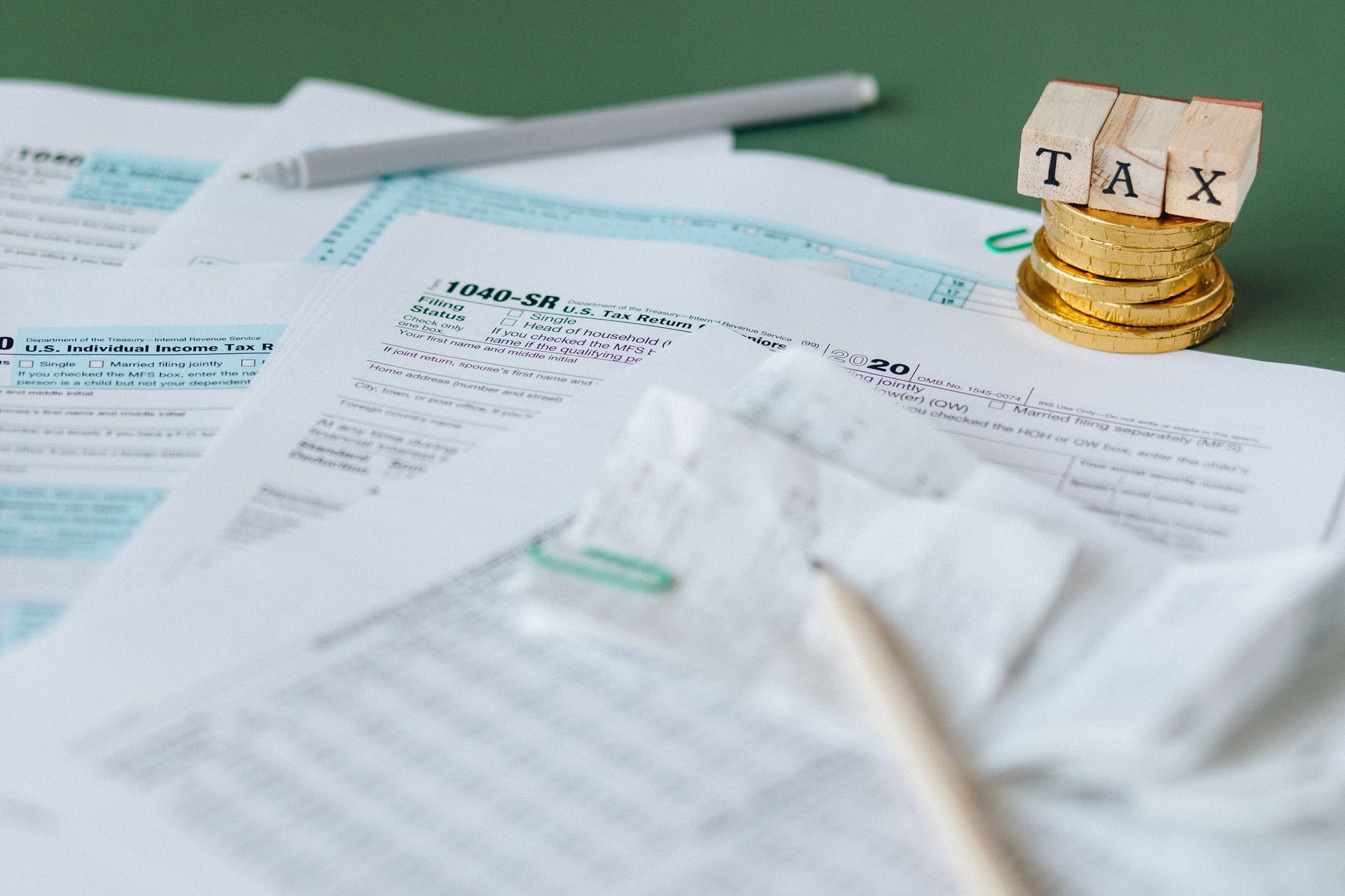
The deadline for filing income tax returns approaches every year, bringing with it a flurry of questions for taxpayers who have sold assets during the financial year. Whether you've disposed of shares, real estate, or ventured into cryptocurrency trading, understanding the tax implications is essential for compliance and optimizing your tax liability.
Understanding Capital Gains Tax
When you sell an asset at a price higher than what you paid for it, the profit is classified as a capital gain and is taxable under income tax laws. The tax treatment depends on two primary factors: the type of asset sold and the holding period. Assets are broadly categorized as short-term or long-term based on how long you held them before selling.
Tax on Sale of Shares and Mutual Funds
For equity shares listed on recognized stock exchanges, the holding period determines the tax rate. If you sell shares within 12 months of purchase, the gains are classified as short-term capital gains (STCG) and taxed at 15 percent. Holding the shares for more than 12 months qualifies them as long-term, with gains exceeding Rs 1 lakh in a financial year taxed at 10 percent without indexation benefit.
For debt mutual funds and unlisted shares, short-term gains are added to your income and taxed according to your applicable income tax slab. Long-term capital gains on these instruments are taxed at 20 percent with indexation benefits, which adjust the purchase price for inflation.
Property Sale and Tax Implications
Real estate transactions attract different tax rules. For immovable property like land and buildings, the asset is considered long-term if held for more than 24 months. Short-term capital gains from property sales are added to your total income and taxed at slab rates, which can go up to 30 percent for individuals in the highest tax bracket.
Long-term capital gains on property are taxed at 20 percent after indexation. The indexation benefit allows you to adjust the purchase price using the Cost Inflation Index notified by the government, significantly reducing your taxable gains. Additionally, you can claim exemptions under Section 54 if you reinvest the gains in another residential property, or under Section 54EC by investing in specified bonds.
Cryptocurrency and Digital Assets
Cryptocurrency has emerged as a particularly complex area for tax purposes. Since April 2022, gains from the transfer of virtual digital assets, including cryptocurrencies and NFTs, are taxed at a flat 30 percent regardless of the holding period. This high tax rate applies to both short-term and long-term holdings, making crypto taxation particularly stringent.
Moreover, no deduction except the cost of acquisition is allowed when computing these gains. You cannot set off losses from cryptocurrency against gains from other crypto transactions or any other income. A 1 percent TDS applies on payments made for crypto transactions exceeding Rs 10,000 in a year.
Essential Documentation and Reporting
Proper documentation is critical when reporting capital gains. For shares, maintain contract notes from your broker, demat account statements, and records of securities transaction tax paid. Property sellers need sale deeds, purchase agreements, and receipts for improvements made to the property.
You must report all capital gains in your ITR, even if no tax is payable due to exemptions or because gains fall below taxable thresholds. Choose the appropriate ITR form: ITR-2 is generally required for individuals with capital gains who don't have business income.
Common Mistakes to Avoid
Many taxpayers incorrectly calculate holding periods, confusing the date of purchase with the date of allotment in case of shares. Others forget to report exempt long-term capital gains, which, while not taxable, must still be disclosed. Failing to pay advance tax on substantial capital gains can result in interest charges under Sections 234B and 234C.
For property transactions, ensure you've obtained and quoted the buyer's PAN in your records, as transactions above certain thresholds require mandatory reporting. If the sale consideration differs from the stamp duty value by more than specified limits, the stamp duty value may be deemed as the sale consideration for tax purposes.
Planning Ahead
Tax planning for capital gains should ideally happen before you execute the sale. Consider the timing of sales to optimize between short-term and long-term rates, explore available exemptions, and maintain meticulous records throughout the year rather than scrambling during ITR filing season.
This article provides general information on capital gains taxation and should not be construed as personalized tax or legal advice. Tax laws are subject to change, and individual circumstances vary. Consult a qualified chartered accountant or tax professional for advice specific to your situation before making financial decisions or filing your income tax return.