Renewing a US B1/B2 visitor visa used to be the easiest part of traveling to America — for many Indian applicants with a clean travel history, it meant a quick Dropbox submission and no interview at all. That's changing in 2026. Scrutiny has tightened across the board, and even routine renewals now face closer checks on eligibility, documentation, and consistency. Here's what's actually different, and how to avoid getting caught out by it.
Who still qualifies for interview waiver (Dropbox)
The interview waiver program — commonly called Dropbox, because it lets you submit documents without an in-person consular interview — is no longer a given for renewal applicants. It's now largely limited to those who hold a visa that's either still valid or expired relatively recently, with a full-validity visa history and no record of overstays, visa violations, or refusals.
If your previous visa expired long ago, if you've ever overstayed even briefly, or if your travel history shows gaps or inconsistencies, expect to be routed to an in-person interview rather than Dropbox — regardless of how straightforward your renewal reason seems.
What's actually being checked more closely
Beyond the waiver eligibility itself, renewal applications are seeing tighter verification of previous visa validity periods, actual travel history against what was declared, and consistency between your current application and every previous one on file. Small discrepancies that might once have passed unnoticed — a slightly different employer name, an address that doesn't quite match, a travel date that's off by a few days — are now more likely to trigger additional scrutiny or a request for clarification.
The fees: what you'll actually pay
The standard B1/B2 non-immigrant visa application fee remains $185, payable regardless of outcome. On top of that, a Visa Integrity Fee of $250 has been introduced and applies to many applicants — effectively raising the real cost of applying well above the headline $185 figure most people still quote. Budget for both fees upfront rather than assuming the lower number is the full cost.
Documents you'll need on hand
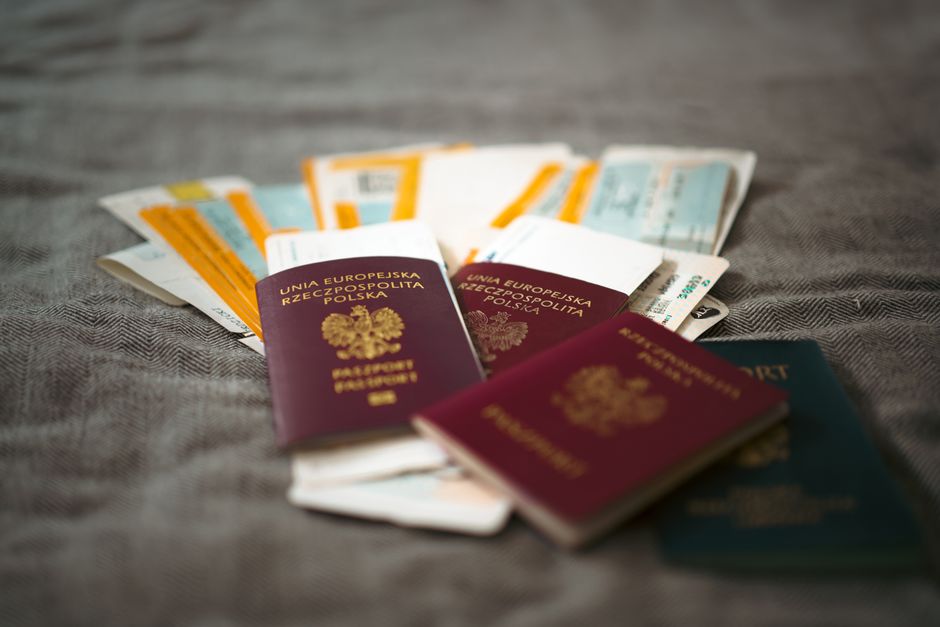
At minimum, expect to need: your current and all previous passports, a correctly completed DS-160 confirmation page, proof of financial standing (bank statements, income proof), and employment records confirming your current job and ties to India. For renewal applicants specifically, having your previous visa's details — number, issue date, validity period — ready and matching exactly what's in your passport matters more now than it used to, given the tighter cross-checking against prior applications.
How long it actually takes
Dropbox (interview-waiver) cases are currently taking roughly 7 to 21 days from submission to visa issuance, though this varies with volume at the processing center. If you're routed to an interview instead, timelines stretch much further — anywhere from a few weeks to several months, depending heavily on which consulate or embassy city you're applying through. Mumbai, Delhi, Chennai, Hyderabad, and Kolkata can all have meaningfully different interview wait times at any given point, so it's worth checking current slot availability for your specific city before assuming a timeline.
Practical steps to avoid a rejection or delay
A few things matter more than people expect going into a 2026 renewal:
- Fill out the DS-160 carefully and accurately — rushing this form is one of the most common sources of the small inconsistencies that now draw extra scrutiny.
- Make sure every detail — name spelling, address, employer, travel dates — matches exactly across your current application, your passport, and your prior visa records.
- Be ready to clearly and specifically state your purpose of travel; vague or generic answers tend to raise more questions than they answer.
- Keep your financial and employment documentation current and consistent with what you've declared, not just technically accurate.
- If you have any history of overstay, refusal, or a status violation on a previous US visit, be prepared for an interview regardless of how your renewal otherwise looks on paper, and have a clear, honest explanation ready.
The bottom line
None of this means renewal has become unreasonably difficult — most straightforward, well-documented cases with a clean history still move relatively quickly. What's changed is the margin for sloppiness. Small mismatches, outdated assumptions about Dropbox eligibility, or budgeting for only the $185 fee are the kinds of things that now cause avoidable delays. Going in with accurate paperwork, a consistent record, and realistic expectations about cost and timeline is the difference between a quick renewal and an unexpected interview slot months away.