
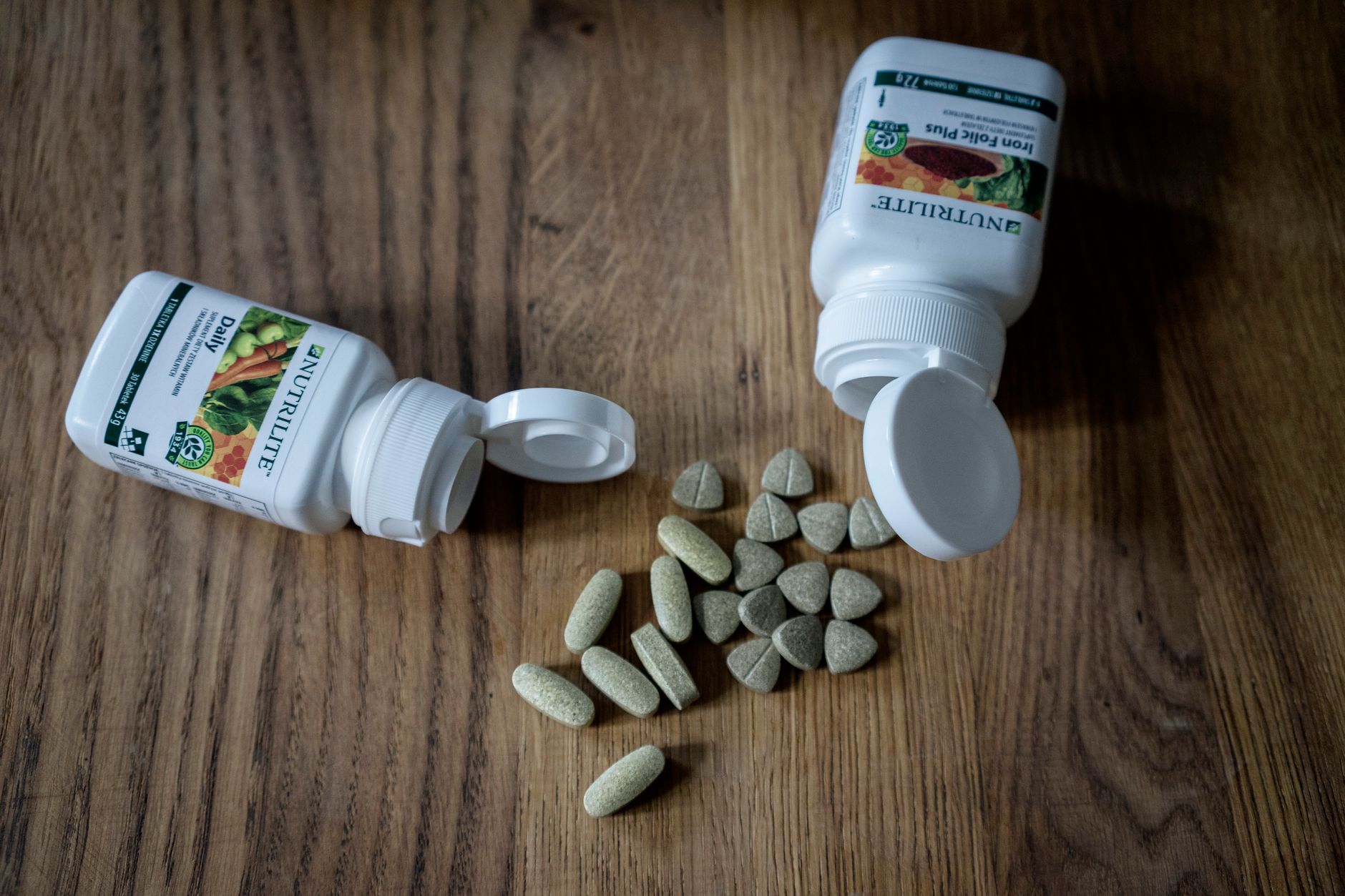
The nutraceutical industry has witnessed remarkable growth over the past decade, with consumers increasingly turning to dietary supplements, herbal products, and functional foods to support their health and wellness goals. A recent partnership between organizations in the United States and India signals a significant step toward strengthening the global supply chain for these products, potentially reshaping how natural health products reach consumers worldwide.
Understanding the Nutraceutical Market
Nutraceuticals encompass a broad category of products that bridge the gap between nutrition and pharmaceuticals. These include dietary supplements, herbal extracts, vitamins, minerals, probiotics, and functional foods that offer health benefits beyond basic nutrition. The global nutraceutical market has been expanding rapidly, driven by aging populations, rising healthcare costs, and growing consumer awareness about preventive health measures.
India has emerged as a major player in this industry, leveraging its rich tradition of Ayurvedic medicine, abundant botanical resources, and established pharmaceutical manufacturing infrastructure. The country is among the world's leading producers of herbal extracts, generic supplements, and contract manufacturing services for international brands.
Why Supply Chain Partnerships Matter
The nutraceutical supply chain involves complex processes from raw material sourcing and quality testing to manufacturing, packaging, and distribution. Partnerships between organizations in different countries can address several critical challenges:
- Quality assurance and standardization across international borders
- Regulatory compliance with varying standards in different markets
- Cost optimization through efficient sourcing and manufacturing
- Supply chain resilience to prevent disruptions
- Technology transfer and best practice sharing
- Market access for smaller manufacturers
For American companies, India offers cost-effective manufacturing capabilities and access to unique botanical ingredients that are difficult or expensive to source elsewhere. For Indian manufacturers, the US market represents significant growth opportunities, though navigating American regulatory requirements can be challenging.
Regulatory Landscape and Quality Standards
One of the most significant aspects of international nutraceutical partnerships involves harmonizing quality standards and regulatory compliance. In the United States, dietary supplements are regulated by the Food and Drug Administration under the Dietary Supplement Health and Education Act, which requires good manufacturing practices and accurate labeling but does not mandate pre-market approval like pharmaceutical drugs.
Indian manufacturers must meet these US standards while also complying with their domestic regulations and potentially other international standards like those set by the European Union. Partnerships that facilitate knowledge sharing about regulatory requirements can help manufacturers avoid costly compliance mistakes and product recalls.
Consumer Trends Driving Demand
Several factors are fueling increased demand for nutraceutical products in both countries:
- Growing interest in immune health following global health concerns
- Preference for natural and plant-based health solutions
- Aging populations seeking preventive health measures
- Rising awareness about mental health and cognitive function support
- Increased focus on digestive health and gut microbiome
- Demand for clean label products with transparent ingredient sourcing
These trends create opportunities for manufacturers who can efficiently deliver high-quality products that meet consumer expectations for safety, efficacy, and transparency.
Impact on Indian Manufacturers
For Indian companies in the nutraceutical space, stronger ties with US organizations can provide several advantages. Access to the American market, which is among the world's largest for dietary supplements, can significantly boost revenue potential. Additionally, exposure to US quality standards and business practices can enhance overall competitiveness in global markets.
Many Indian manufacturers have already established themselves as reliable contract manufacturers for international brands, but direct market access and brand partnerships can create even greater value. The traditional knowledge base of Ayurvedic and herbal medicine also positions Indian companies to offer unique ingredients and formulations that appeal to consumers seeking alternative and traditional health solutions.
Future Outlook
As consumer demand for natural health products continues to grow globally, partnerships that strengthen supply chains and facilitate trade will become increasingly important. The collaboration between US and Indian organizations in the nutraceutical sector reflects a broader trend toward international cooperation in the health and wellness industry.
Success will depend on maintaining rigorous quality standards, ensuring regulatory compliance, and building trust among consumers who are increasingly educated and discerning about the supplements they choose. Transparent supply chains and third-party testing will likely become even more critical as the market matures.
This article provides general information about industry developments and should not be considered medical or investment advice. Consumers should consult healthcare professionals before starting any supplement regimen.