Prime Minister Narendra Modi recently highlighted preventive healthcare and strengthening the research ecosystem as critical pillars for India's future development. This statement comes at a time when India faces a dual burden of communicable diseases and a rising tide of lifestyle-related chronic conditions that strain both families and the healthcare system.
Understanding Preventive Healthcare
Preventive healthcare focuses on stopping diseases before they occur rather than treating them after diagnosis. This approach includes regular health screenings, vaccinations, lifestyle modifications, health education, and early detection programs. For a country of India's size and diversity, shifting focus toward prevention could dramatically reduce the disease burden and healthcare costs.
India currently spends a significant portion of its healthcare budget on treating advanced-stage illnesses. Conditions like diabetes, hypertension, cardiovascular diseases, and certain cancers often go undetected until they become serious, requiring expensive interventions. Preventive measures could identify these conditions early when they are more manageable and less costly to treat.
Why Prevention Matters for India
The benefits of prioritizing preventive healthcare extend beyond individual health outcomes. When citizens maintain better health through preventive measures, productivity increases, absenteeism decreases, and the overall economic burden of disease reduces substantially. This is particularly important for India's growing workforce.
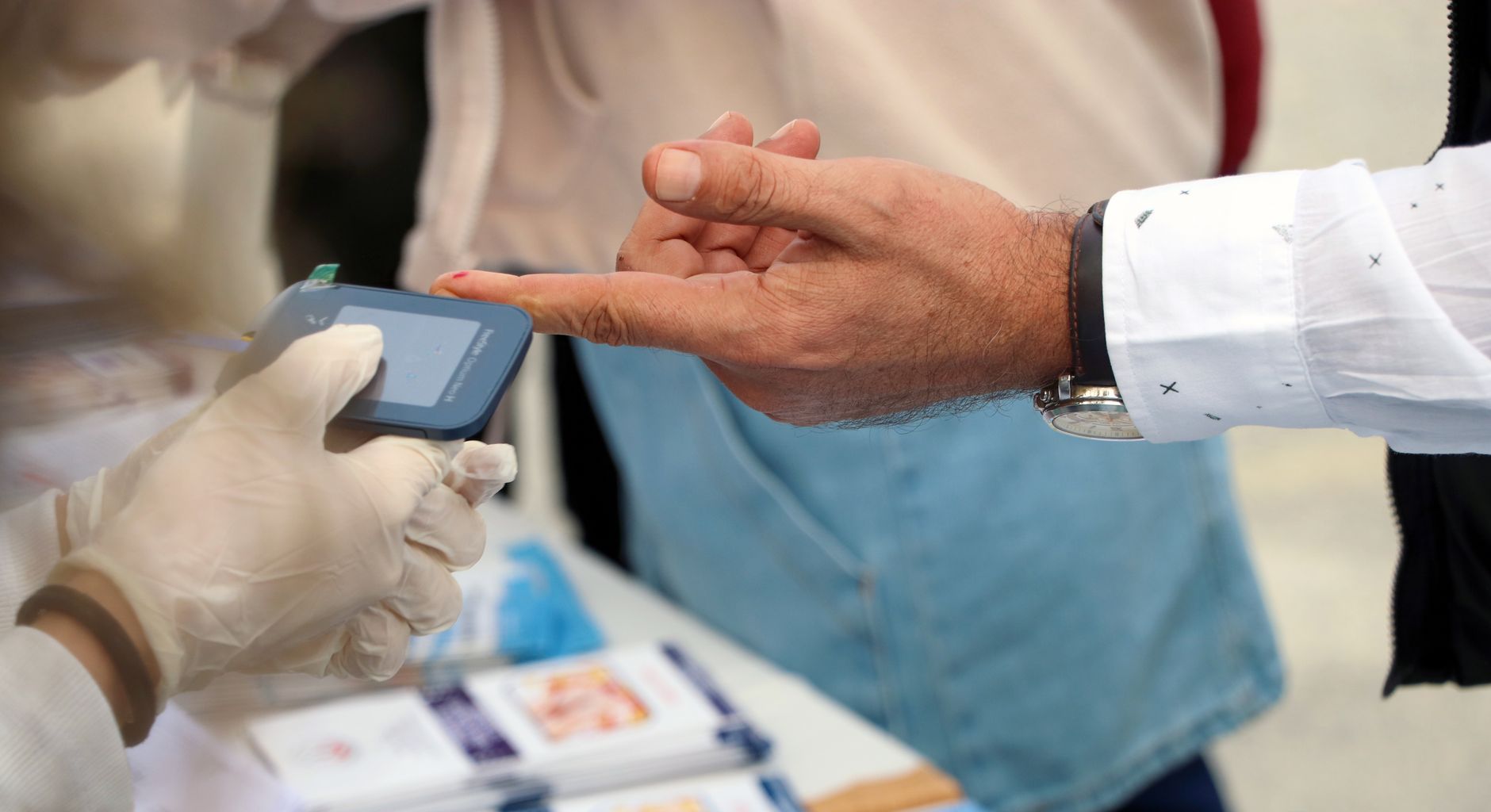
Consider the example of diabetes, which affects over 77 million Indian adults. Many cases go undiagnosed for years, leading to complications like kidney disease, blindness, and heart problems. Regular screening programs, combined with awareness about diet and exercise, could prevent or delay the onset of type 2 diabetes in millions of people.
Similarly, cervical cancer, largely preventable through HPV vaccination and regular screening, claims thousands of lives annually in India. Expanded preventive programs could save these lives while reducing treatment costs.
The Role of Research Ecosystem
Strengthening India's health research ecosystem is equally crucial. A robust research infrastructure enables the country to develop solutions tailored to its unique challenges, from tropical diseases to malnutrition patterns specific to different regions.
India has made strides in vaccine development, as demonstrated during the COVID-19 pandemic with indigenous vaccines. However, sustained investment in research can help address other pressing health concerns, develop affordable diagnostic tools, and create treatment protocols suited to Indian populations.
Research also drives innovation in preventive technologies. This includes developing cost-effective screening tools, creating culturally appropriate health education materials, and understanding the genetic factors that make certain Indian populations more susceptible to specific diseases.
Current Government Initiatives
The government has already launched several programs aligned with preventive healthcare principles. The Ayushman Bharat initiative includes Health and Wellness Centres that focus on preventive and promotive healthcare. These centres provide screening for non-communicable diseases, maternal and child health services, and health education.
The National Programme for Prevention and Control of Cancer, Diabetes, Cardiovascular Diseases, and Stroke (NPCDCS) aims to prevent and control common non-communicable diseases through lifestyle changes and early detection.
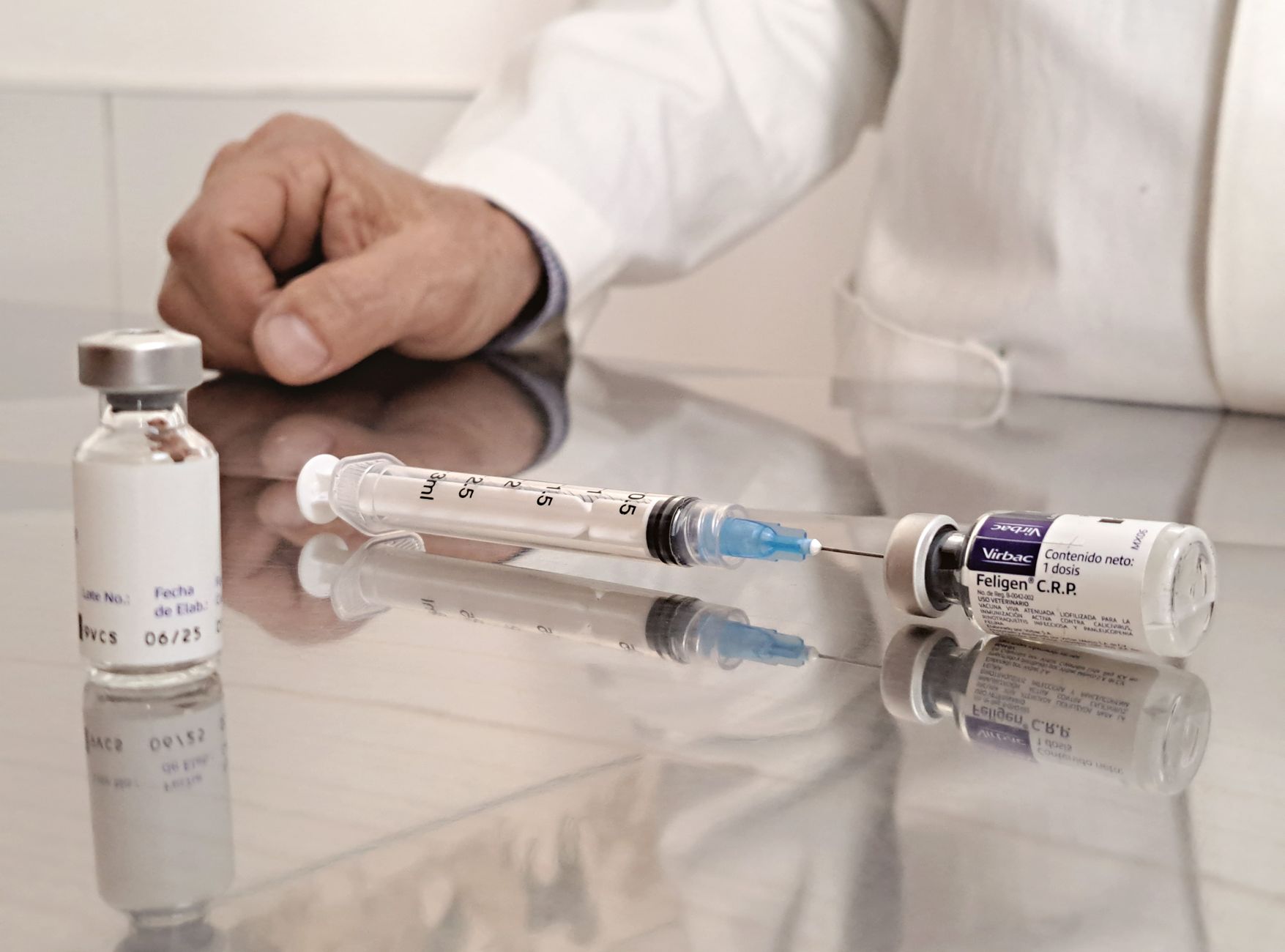
Additionally, programs like Mission Indradhanush have expanded immunization coverage, protecting children from vaccine-preventable diseases—a fundamental aspect of preventive healthcare.
Challenges Ahead
Despite the potential benefits, implementing comprehensive preventive healthcare faces several obstacles. Healthcare infrastructure varies dramatically between urban and rural areas. While cities have access to advanced screening facilities, rural regions often lack basic health services.
Awareness remains another significant barrier. Many people only seek medical care when symptoms become severe, missing opportunities for early intervention. Changing this mindset requires sustained public health campaigns and community engagement.
Financial constraints affect both government programs and individual health-seeking behaviour. While preventive care is cost-effective long-term, it requires upfront investment that may be challenging given competing priorities.
The Way Forward
For India to truly benefit from preventive healthcare, a multi-pronged approach is necessary. This includes expanding primary healthcare infrastructure, training healthcare workers in preventive medicine, leveraging technology for health monitoring, and creating incentives for healthy behaviours.
Public-private partnerships can accelerate research and development while ensuring wider reach of preventive services. Digital health platforms can deliver health education and enable remote monitoring, particularly valuable for India's vast geography.
Ultimately, the success of this vision depends on consistent policy implementation, adequate funding, and active participation from citizens who embrace preventive measures as part of their routine.
This article provides general information about preventive healthcare initiatives and should not be considered medical advice. Readers should consult qualified healthcare professionals for specific health concerns and treatment recommendations.