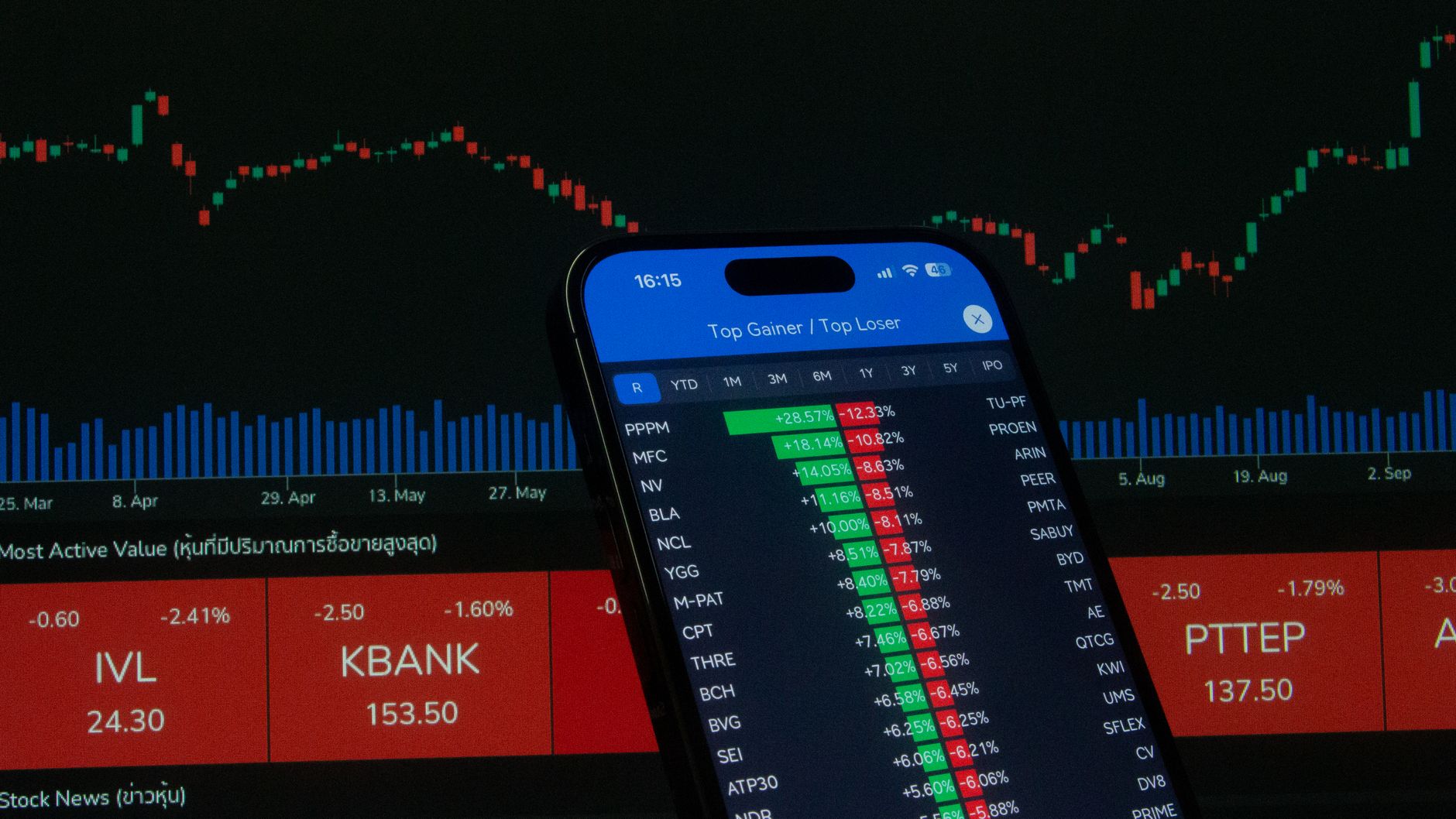
Investing in the stock market doesn't require a large capital outlay. Low-price stocks, often trading below Rs 100 or Rs 50, provide an opportunity for retail investors to build diversified portfolios without significant financial commitment. As we navigate through 2026, these affordable stocks continue to attract attention from value investors and beginners alike.
Understanding Low-Price Stocks
Low-price stocks are simply shares of companies that trade at relatively low absolute prices. However, it's crucial to understand that a low share price doesn't automatically indicate good value or poor quality. The price per share is determined by the total market capitalization divided by the number of outstanding shares. A company might have a low share price due to having issued many shares, not necessarily because it's undervalued or struggling.
The appeal of these stocks lies in their accessibility. With limited capital, investors can purchase more shares, which psychologically feels more rewarding than owning fractional expensive stocks. Additionally, percentage gains on low-price stocks can translate into significant returns when the stock price appreciates.
Key Sectors for Low-Price Opportunities
Several sectors in India traditionally offer stocks at lower price points. Infrastructure and construction companies often trade at affordable levels due to their cyclical nature and capital-intensive operations. Public sector undertakings (PSUs) in banking, energy, and manufacturing frequently appear in low-price categories.
Small and mid-cap companies across pharmaceuticals, textiles, manufacturing, and technology also provide numerous options. The renewable energy sector has emerged as another area where investors can find reasonably priced stocks with growth potential, given India's commitment to sustainable energy goals.
Factors to Consider Before Investing
Price alone should never be the sole criterion for investment decisions. Several fundamental factors deserve careful evaluation when considering low-price stocks.
Financial health remains paramount. Review the company's balance sheet, focusing on debt levels, cash flow, and profitability trends. A low stock price combined with deteriorating financials could signal deeper problems rather than opportunity.
Growth potential matters significantly. Examine the company's business model, competitive position, and industry outlook. Does the company operate in a growing sector? Are there expansion plans or new products in the pipeline?
Management quality often determines a company's trajectory. Research the track record of the leadership team, their vision, and corporate governance standards. Promoter holdings and institutional investor interest can provide insights into confidence levels.
Risk Management Strategies
Low-price stocks can be more volatile than their higher-priced counterparts. Many trade with lower liquidity, meaning fewer buyers and sellers, which can result in wider bid-ask spreads and difficulty executing trades at desired prices.
Diversification becomes especially important. Rather than concentrating investments in one or two low-price stocks, spread your capital across multiple companies and sectors. This approach helps mitigate the risk of any single stock significantly impacting your portfolio.
Position sizing should reflect your risk tolerance. Even when stocks are inexpensive, avoid allocating disproportionate amounts of your portfolio to highly speculative positions. A common guideline suggests limiting individual stock exposure to 5-10% of your total investment capital.
Long-Term Perspective
Successful investing in low-price stocks typically requires patience. These companies may take time to realize their potential, and short-term price movements can be unpredictable. Avoid the temptation to make decisions based on daily fluctuations.
Regular monitoring remains essential. Set up alerts for significant news, quarterly results, and regulatory filings. Review your holdings periodically to ensure the original investment thesis remains intact.
Common Pitfalls to Avoid
Investors often fall into traps when pursuing low-price stocks. Penny stock scams and pump-and-dump schemes disproportionately target these segments. Be wary of unsolicited tips, especially through social media or messaging apps, promising quick riches.
Avoid catching a falling knife—buying a stock simply because it has declined significantly. Understand why the price has fallen before investing. Sometimes low prices reflect genuine business challenges that may not reverse.
Getting Started
Begin by opening a demat and trading account with a registered broker if you haven't already. Many platforms now offer zero or minimal brokerage for equity delivery trades, making it cost-effective to build positions gradually.
Utilize screeners available on financial websites to filter stocks based on price, market cap, financial ratios, and other criteria. Cross-reference multiple sources of information before making investment decisions.
This article is for informational purposes only and should not be considered as financial advice. Please consult with a qualified financial advisor before making investment decisions. Past performance does not guarantee future results, and all investments carry risk, including potential loss of principal.