
India's Public Distribution System (PDS) is among the world's largest food security networks, distributing subsidized grains to over 800 million beneficiaries. Yet a common complaint persists: why is the rice quality so poor compared to market alternatives? The answer lies in a complex web of economic, logistical, and policy factors that affect both the investment in the system and its outcomes.
The Procurement Economics
The Food Corporation of India (FCI) and state agencies procure rice and wheat at Minimum Support Prices (MSP) from farmers. While MSP aims to protect farmer incomes, it doesn't necessarily incentivize premium quality. Farmers often prioritize high-yielding varieties that maximize volume rather than grain quality, since procurement payment is based on weight and basic grade standards.
The grading system itself typically checks for moisture content, damaged grains, and foreign matter, but doesn't account for taste, aroma, or cooking quality that consumers care about. This creates a fundamental disconnect between what's procured and what beneficiaries desire.
Storage and Handling Challenges
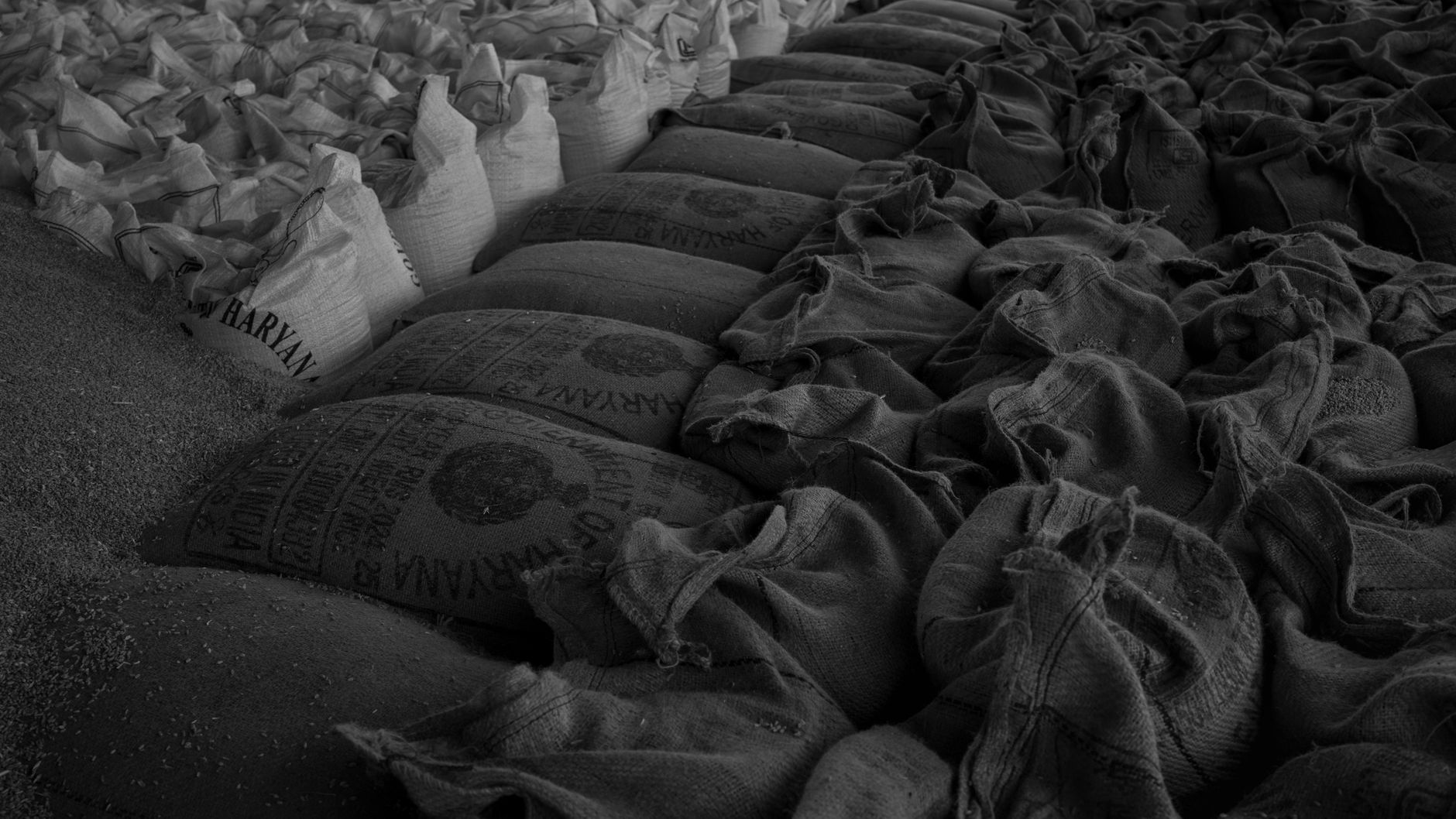
The journey from farm to ration shop involves multiple stages where quality can deteriorate. Rice may sit in FCI godowns for extended periods, sometimes exceeding recommended storage durations. Despite improvements in covered storage capacity, issues remain:
- Moisture and pest infestation during prolonged storage
- Temperature fluctuations affecting grain integrity
- Multiple handling points increasing breakage
- Inadequate fumigation or preservation in some facilities
Older stock is typically released first under the "first in, first out" principle, but delays in the supply chain mean rice may already be months or years old when it reaches consumers.
The Cost-Quality Tradeoff
From an investment and budgetary perspective, the government faces enormous fiscal pressures. The food subsidy bill runs into lakhs of crores annually. Providing higher-quality rice would significantly increase costs across the entire value chain, from higher MSP payments to farmers, to better storage infrastructure, to more frequent stock rotation.
Policymakers have historically prioritized coverage and quantity—ensuring sufficient calories reach the maximum number of people—over premium quality. This reflects a utilitarian approach: basic nutrition for all takes precedence over taste preferences.
Regional and Variety Differences
Quality perceptions also vary by region. Some states receive parboiled rice while others get raw rice. The varieties procured differ based on local production patterns. A beneficiary accustomed to fragrant basmati or premium sona masoori will naturally find common-grade PDS rice inferior.
The rice distributed is often common or grade-A varieties that are robust and store well but lack the characteristics of premium market rice. This isn't due to malice but rather practical considerations for mass distribution.
Political Economy Considerations
There's limited political incentive to upgrade ration rice quality. Beneficiaries, while they may complain, continue to collect subsidized grains because the price advantage is substantial—typically just Rs 2-3 per kilogram versus Rs 40-60 in the market. This massive price differential means most people tolerate quality issues.
Investment in PDS infrastructure competes with other priorities. Upgrading the entire cold storage network, improving transportation, and procuring premium varieties would require sustained budgetary commitment that often loses out to more visible projects.
Private Sector Comparison
When compared to private retail, the quality gap becomes stark. Private players maintain tighter quality control, faster inventory turnover, and offer diverse varieties to match consumer preferences. They're also accountable to customers who'll simply shop elsewhere if dissatisfied—a market discipline absent in PDS.
Recent Improvement Efforts
Some states have initiated quality improvement measures, including introducing fortified rice to address nutritional deficiencies, even if taste remains unchanged. Technology-enabled monitoring and complaints systems have helped identify and reduce some issues like diversion or adulteration.
The government has also been exploring customized fortification and better packaging, though these remain pilot initiatives rather than system-wide standards.
The Path Forward
Improving ration rice quality requires investment in multiple areas: incentivizing farmers to grow better varieties, upgrading storage infrastructure, reducing the procurement-to-distribution timeline, and implementing stricter quality parameters. Each carries significant cost implications that must be weighed against the program's primary objective of affordable food access.
For beneficiaries, the calculation remains simple: despite quality concerns, subsidized rice represents substantial household savings. Until the economic equation changes—either through dramatically improved quality or reduced price differentials with the market—the status quo is likely to persist.
This article is for general informational purposes only and does not constitute financial advice. Readers should conduct their own research and consult appropriate professionals for specific guidance on government schemes and benefits.