
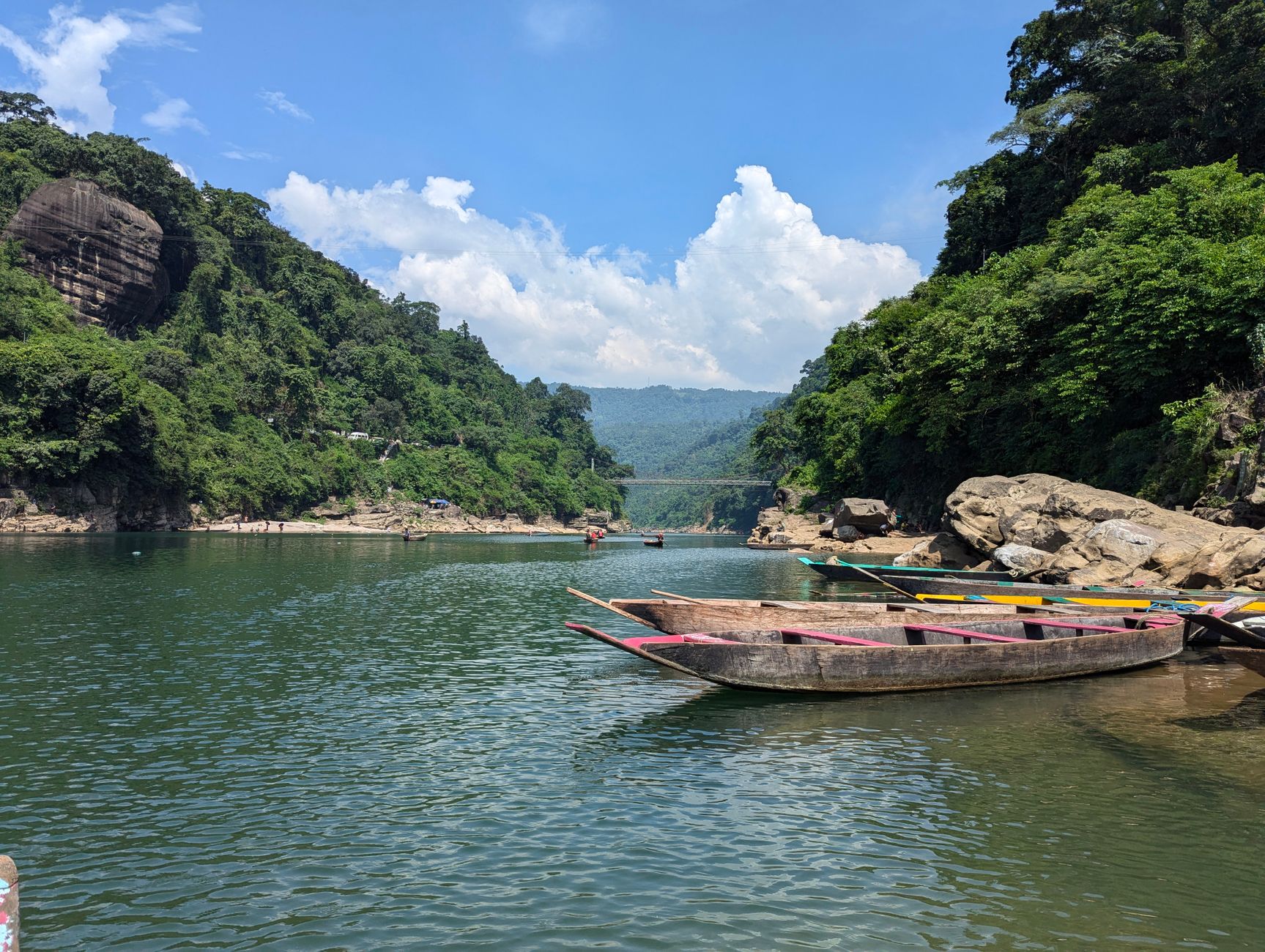
Assam's tourism sector has reached an extraordinary milestone that marks a turning point for Northeast India's travel industry. The state recently celebrated welcoming six crore (60 million) visitors, a figure that represents not just impressive numbers but a fundamental transformation in how travelers view this culturally rich and ecologically diverse region of India.
The Northeast Tourism Renaissance
For decades, Northeast India remained largely unexplored by mainstream tourism despite its stunning landscapes, unique tribal cultures, and remarkable biodiversity. Security concerns, limited infrastructure, and inadequate marketing kept visitor numbers relatively modest compared to popular destinations like Rajasthan, Kerala, or Goa. However, the past few years have witnessed a dramatic reversal of this trend.
Assam, as the gateway to Northeast India, has led this tourism revolution. The state's strategic location, improved connectivity, and sustained promotional efforts have positioned it as both a destination in its own right and a launchpad for exploring neighboring states like Meghalaya, Arunachal Pradesh, and Nagaland.
What's Driving the Tourism Surge
Several factors have converged to create this unprecedented tourism boom in Assam and the broader Northeast region.
Infrastructure development has played a crucial role. New airports, improved road networks, and better rail connectivity have made the region far more accessible than ever before. The expansion of Guwahati's Lokpriya Gopinath Bordoloi International Airport and new flight routes connecting Northeast cities to major metros have significantly reduced travel time and costs.
Digital marketing and social media have also transformed how travelers discover Assam. Instagram-worthy locations like the living root bridges of Meghalaya, the dramatic landscapes of Dzukou Valley, and Assam's tea gardens have captured the imagination of millennial and Gen-Z travelers seeking offbeat experiences.
The rise of adventure tourism has particularly benefited the Northeast. River rafting on the Brahmaputra, trekking in Arunachal Pradesh, wildlife safaris in Kaziranga National Park, and paragliding in various locations now attract thrill-seekers from across India and abroad.
Assam's Unique Tourism Assets
Assam offers an exceptionally diverse tourism portfolio that caters to varied traveler interests.
- Kaziranga National Park, a UNESCO World Heritage Site and home to two-thirds of the world's one-horned rhinoceros population
- Majuli, the world's largest river island, showcasing unique Vaishnavite culture and traditional mask-making
- Kamakhya Temple, one of Hinduism's most revered Shakti Peethas
- Sprawling tea estates offering plantation tours and stays
- The mighty Brahmaputra River with its river cruises and island experiences
- Vibrant tribal festivals including Bihu, celebrated with music, dance, and traditional feasts
Economic Impact and Local Benefits
The tourism boom has generated significant economic benefits for Assam's local communities. Employment opportunities in hospitality, transportation, guiding services, and handicrafts have multiplied. Traditional weavers, especially those producing Assam silk and Muga silk products, have found new markets among tourists seeking authentic souvenirs.
Homestays and community-based tourism initiatives have enabled rural families to participate directly in the tourism economy. Many villages have transformed their traditional homes into welcoming guesthouses, offering visitors authentic cultural experiences while generating supplementary income.
Challenges and Sustainable Growth
Despite these successes, Assam faces challenges in managing this tourism growth sustainably. Increased visitor numbers put pressure on fragile ecosystems, particularly in wildlife sanctuaries and protected areas. Waste management, especially plastic pollution, has emerged as a growing concern in popular tourist spots.
The state government has begun implementing measures to promote responsible tourism. These include visitor caps at sensitive locations, mandatory eco-friendly practices for tourism operators, and community education programs about conservation.
Looking Forward
The six crore visitor milestone represents just the beginning of Assam's tourism potential. With continued infrastructure development, skills training for hospitality workers, and sustained marketing efforts, the state aims to establish itself as a year-round destination attracting both domestic and international tourists.
The Northeast's growing tourism prominence also contributes to national integration by showcasing the region's cultures and landscapes to travelers from other parts of India, breaking down stereotypes and building cultural bridges.
As Assam continues expanding its tourism footprint, balancing growth with environmental conservation and cultural preservation will be essential to ensuring that this historic triumph becomes a sustainable, long-term success story.