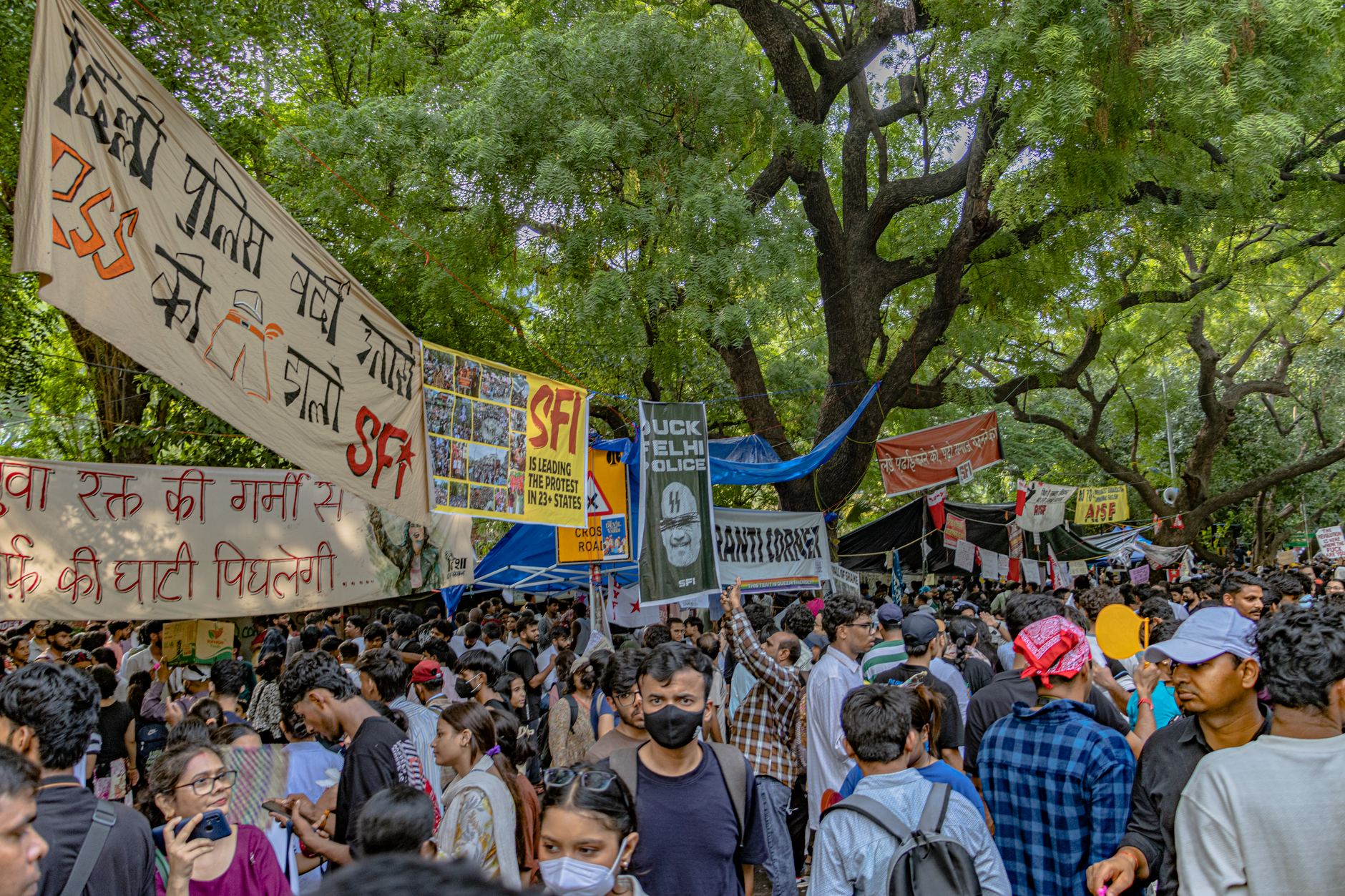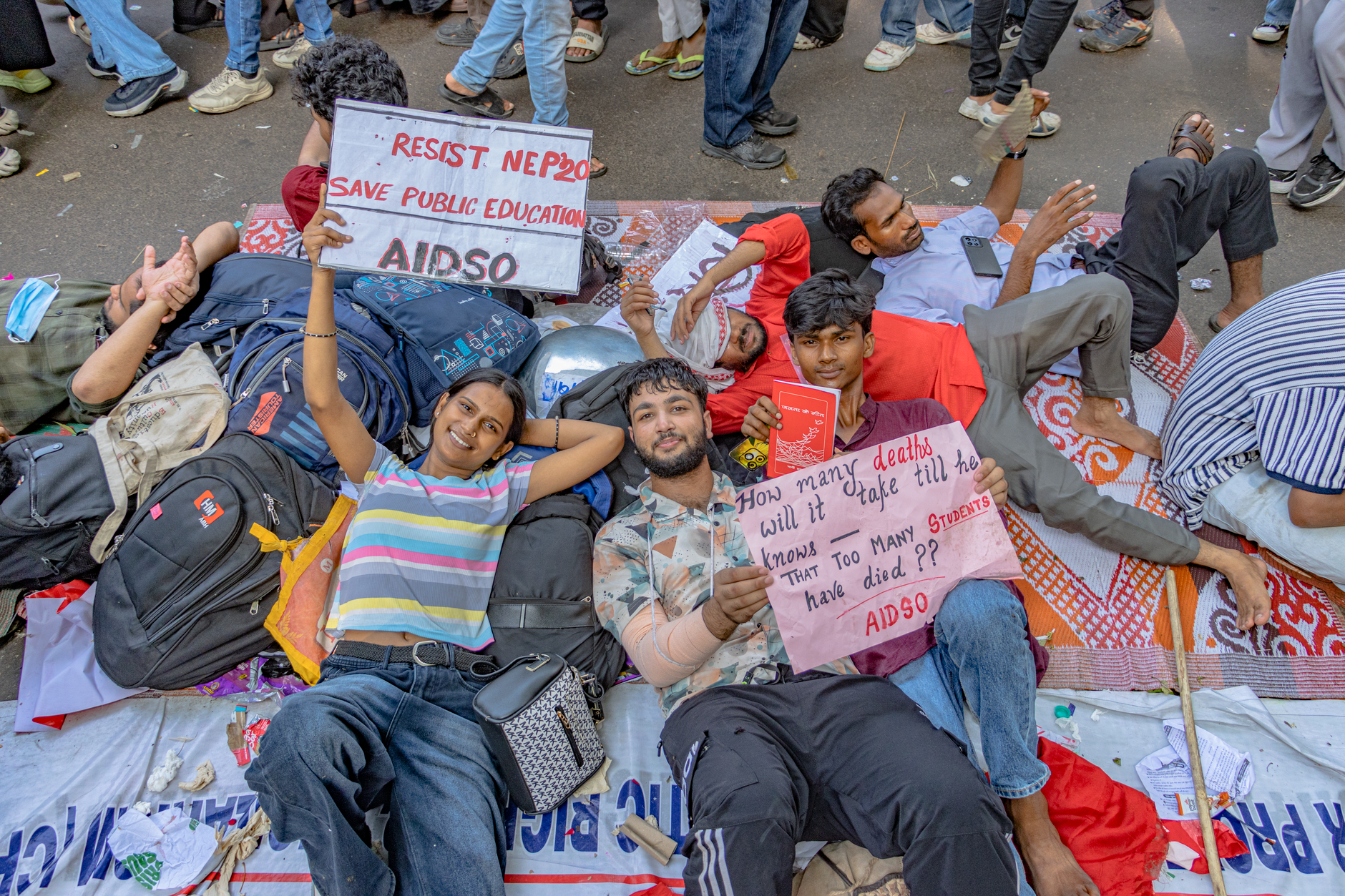
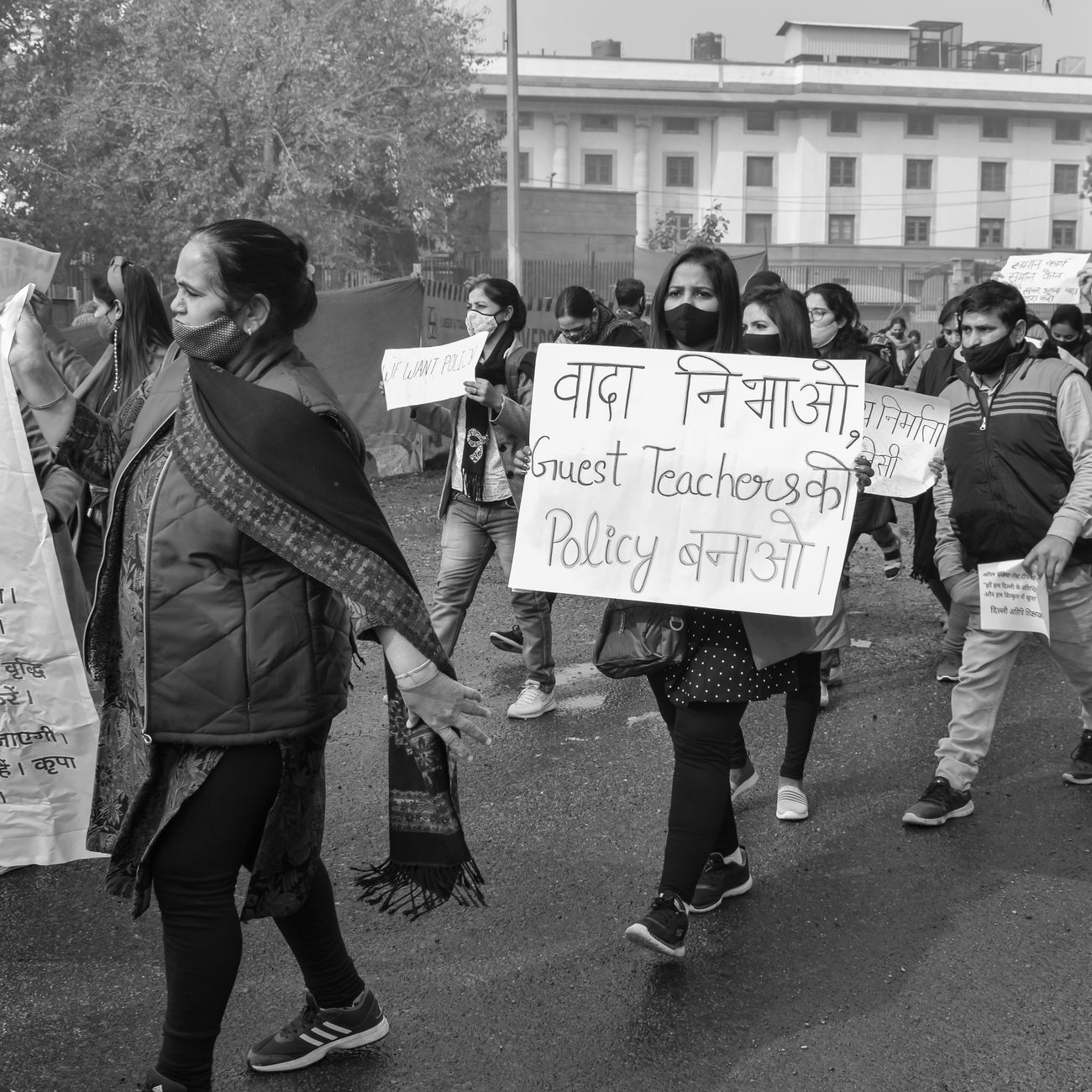
India's education landscape has long been a subject of debate, particularly when political transitions bring new faces to ministerial positions. However, the real challenge lies not in who occupies the corner office, but in addressing the deep-rooted structural issues that continue to hinder the sector's progress. As the nation aspires to become a global economic powerhouse, its education system must evolve beyond cosmetic changes to embrace genuine, transformative reform.
The Current State of Indian Education
India's education system serves over 260 million students, making it one of the largest in the world. Despite this massive scale and numerous policy initiatives over the decades, the sector continues to grapple with fundamental problems. Dropout rates remain concerning, particularly at the secondary level in rural areas. Learning outcomes frequently fail to meet basic competency standards, with numerous studies revealing that many students cannot perform grade-appropriate tasks in reading and mathematics.
The infrastructure deficit is particularly stark in government schools, where inadequate facilities, shortage of trained teachers, and limited access to digital resources create significant barriers to quality education. While urban private schools may offer world-class facilities, the vast majority of Indian students attend government institutions that struggle with basic amenities.
Moving Beyond Rote Learning
One of the most persistent criticisms of Indian education is its emphasis on rote memorization rather than critical thinking and practical application. Students often excel at reproducing textbook content but struggle when asked to apply concepts to real-world situations or think creatively about problems.
This approach has created generations of students who may perform well in standardized tests but lack the analytical skills, creativity, and adaptability that modern employers seek. The National Education Policy 2020 acknowledges this gap and proposes a shift toward competency-based learning, but implementation remains the critical challenge.
Key Areas Requiring Immediate Attention
Several specific areas demand urgent reform to create a more robust education system:
- Teacher training and professional development programs that equip educators with modern pedagogical methods and subject expertise
- Curriculum updates that incorporate contemporary knowledge, skill development, and interdisciplinary approaches
- Infrastructure investments in rural and semi-urban schools to bridge the urban-rural divide
- Integration of vocational training and practical skills from early grades
- Technology adoption that enhances learning rather than merely digitizing traditional methods
- Assessment reforms that measure understanding and application rather than mere recall
- Greater emphasis on foundational literacy and numeracy in primary grades
The Employment Disconnect
A significant concern is the mismatch between what students learn and what the job market requires. Many graduates find themselves unemployable despite holding degrees because their education has not equipped them with relevant skills. Industry leaders frequently cite communication abilities, problem-solving skills, and adaptability as lacking in fresh graduates.
Technical education and vocational training need substantial upgrades to align with evolving industry needs. The integration of internships, apprenticeships, and industry partnerships into mainstream education could bridge this gap and ensure students are workplace-ready upon graduation.
The Role of Stakeholders Beyond Government
While government policy and funding are crucial, education renewal requires active participation from multiple stakeholders. Parents need to move beyond viewing education solely as a means to secure prestigious jobs and encourage holistic development. Educational institutions must embrace innovation and accountability rather than merely following prescribed curricula.
The private sector can contribute through corporate social responsibility initiatives, mentorship programs, and partnerships that provide students exposure to real-world applications of their learning. Civil society organizations play a vital role in reaching marginalized communities and ensuring inclusive education.
Looking Forward
Renewing Indian education is not a task that can be accomplished through a single policy document or ministerial directive. It requires sustained commitment, adequate resource allocation, and willingness to question long-held assumptions about teaching and learning.
The focus must shift from inputs such as infrastructure and enrollment numbers to outcomes measured by learning achievements, skill acquisition, and students' preparedness for life beyond school. Regular monitoring, transparent evaluation, and course correction based on evidence should become standard practice.
Success stories exist within India and internationally that demonstrate what is possible when education systems prioritize student learning over bureaucratic processes. Scaling these innovations while respecting local contexts and needs is the challenge ahead.
India's demographic dividend can only be realized if its young population is equipped with quality education that fosters both knowledge and character. This requires looking beyond political cycles and personality-driven initiatives toward building institutional capacity and systemic resilience that can deliver results regardless of who holds office.