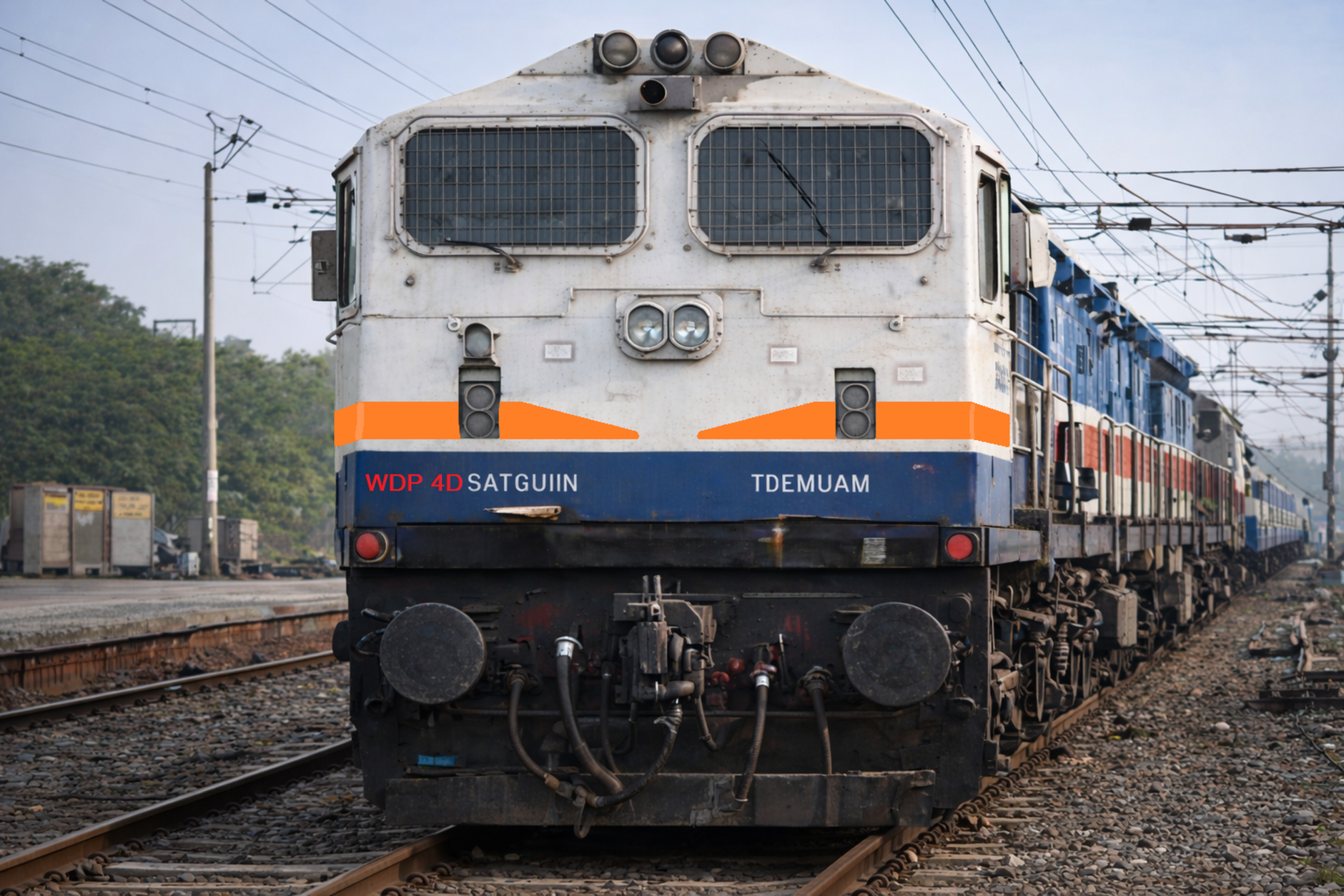
India has taken a major leap toward sustainable transportation with the launch of its first hydrogen-powered train, a development that showcases the country's growing capabilities in green technology. The indigenous train has received enthusiastic responses from pilots and students who have experienced its operation, highlighting both its environmental benefits and impressive performance characteristics.
Understanding Hydrogen Train Technology
Hydrogen-powered trains represent a cleaner alternative to traditional diesel locomotives that have dominated Indian railways for decades. These trains use hydrogen fuel cells to generate electricity, which powers electric motors that drive the train. The only byproduct of this process is water vapor, making it a truly zero-emission form of transportation.
The fuel cell technology works by combining hydrogen with oxygen from the air in an electrochemical reaction. This produces electricity to power the train's systems while generating heat and pure water as the only emissions. Unlike battery-electric trains, hydrogen trains can travel longer distances and refuel much faster, making them particularly suitable for routes where electrification infrastructure is not yet available.
Indigenous Development and Self-Reliance
The development of this hydrogen train marks an important achievement for India's Make in India initiative and the country's push toward technological self-reliance. By designing and manufacturing the train domestically, India joins a select group of nations that have successfully developed hydrogen rail technology, including Germany, France, and China.
This indigenous capability reduces dependence on foreign technology and creates opportunities for Indian engineers, researchers, and manufacturing facilities. The project demonstrates India's growing expertise in alternative fuel technologies and positions the country as a potential exporter of green transportation solutions to other developing nations.
Environmental Impact and Sustainability
The environmental benefits of hydrogen trains are substantial, particularly for a country like India that faces severe air pollution challenges in many urban areas. Traditional diesel trains contribute significantly to air pollution and greenhouse gas emissions. By contrast, hydrogen trains produce zero local emissions, improving air quality along railway corridors and in stations.
India's railway network is one of the largest in the world, carrying millions of passengers daily. Transitioning even a portion of this network to hydrogen power could result in significant reductions in carbon emissions. This aligns with India's commitments to achieving net-zero emissions by 2070 and reducing the carbon intensity of its economy.
Performance and Passenger Experience
Early feedback from pilots operating the hydrogen train has been notably positive, with particular emphasis on the train's pickup and acceleration capabilities. Hydrogen fuel cells can deliver consistent power output, providing smooth acceleration that matches or exceeds conventional diesel locomotives.
Students and other passengers who have traveled on the inaugural runs report a quieter, smoother ride compared to diesel trains. The absence of diesel engine noise and vibration creates a more pleasant travel experience. Additionally, the lack of diesel fumes makes stations and carriages more comfortable for passengers and railway staff.
Infrastructure and Scalability Challenges
While the launch represents a significant achievement, scaling hydrogen train technology across India's vast railway network will require substantial infrastructure development. Hydrogen production, storage, and distribution facilities need to be established at key locations. The current focus on green hydrogen production using renewable energy sources will be crucial for ensuring the entire system remains environmentally sustainable.
The cost of hydrogen production and fuel cell technology remains higher than conventional diesel, though prices are expected to decrease as technology matures and production scales up. Government support through subsidies and policy incentives will likely play an important role in the initial phases of adoption.
Future Prospects
The successful launch of India's first hydrogen train opens possibilities for expanding this technology across non-electrified routes throughout the country. Railway officials are likely monitoring performance metrics closely to inform decisions about future procurement and route selection.
Beyond passenger trains, hydrogen technology could also be applied to freight locomotives, potentially transforming the logistics sector. As India develops its green hydrogen production capacity, the railway sector could become a major consumer, driving economies of scale that benefit other industries as well.
This development represents more than just a new type of train—it symbolizes India's commitment to sustainable development and technological innovation in addressing climate change while maintaining economic growth.