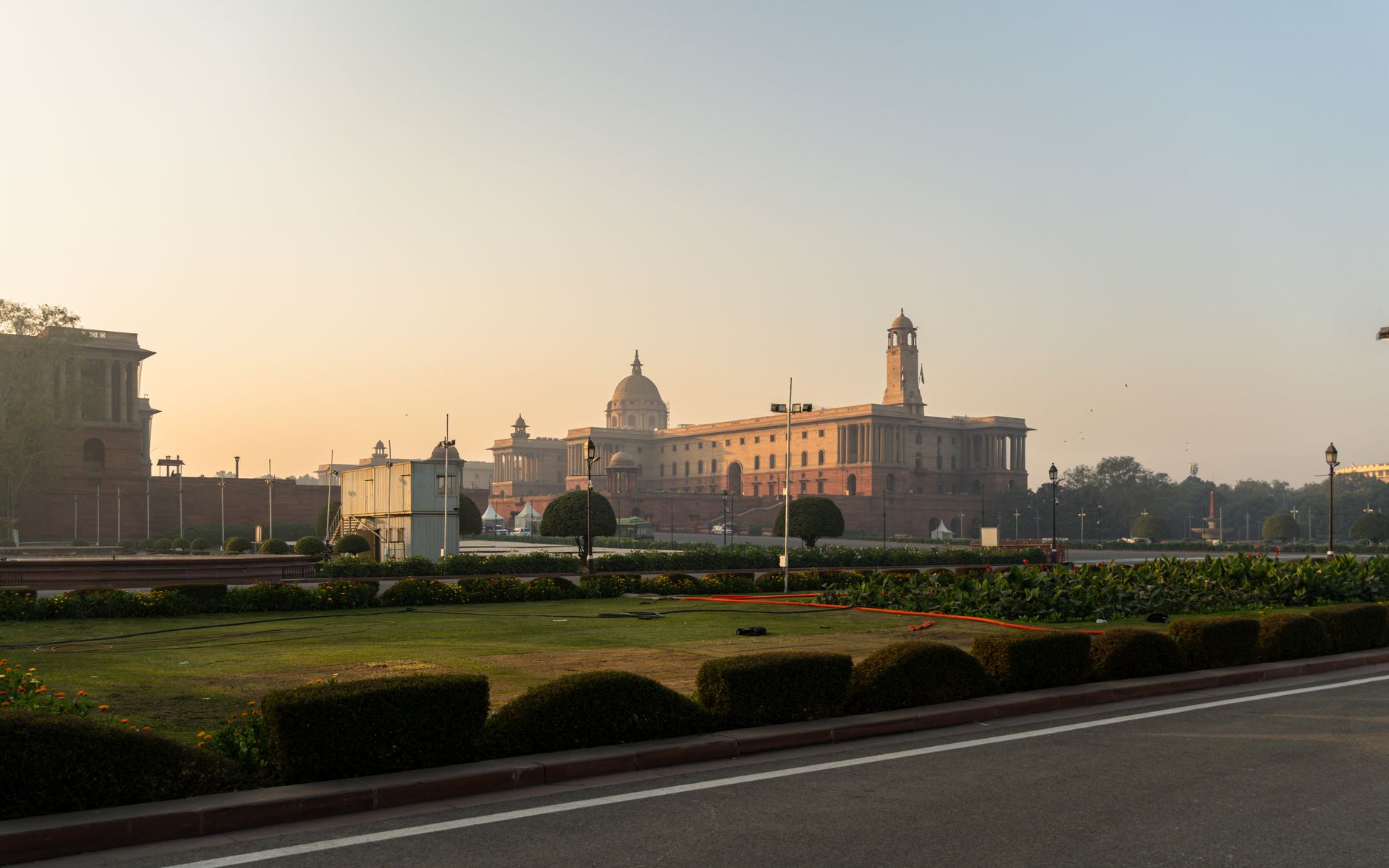

India's tourism industry is mobilizing to address long-standing challenges that have hindered the country's potential as a global travel destination. Industry representatives are presenting policymakers with proposals aimed at streamlining visa processes, improving infrastructure connectivity, and reducing bureaucratic obstacles that international travelers frequently encounter.
The Current State of Indian Tourism
Despite India's rich cultural heritage, diverse landscapes, and historical attractions, the country captures only a fraction of global tourist arrivals compared to regional competitors. In recent years, nations like Thailand, Malaysia, and Indonesia have significantly outpaced India in visitor numbers, partly due to more traveler-friendly policies and seamless entry procedures.
The tourism sector contributes substantially to India's economy, providing employment to millions across hospitality, transportation, retail, and related services. However, industry experts contend that restrictive policies and outdated regulations prevent the sector from realizing its full economic potential.
Key Visa Reform Proposals
The industry's primary focus centers on visa accessibility and processing efficiency. Current proposals include expanding e-visa eligibility to more countries, extending visa validity periods, and introducing multiple-entry options for tourists who wish to visit neighboring countries during their trip.
Processing times remain a significant concern. While e-visas have improved accessibility for many nationalities, travelers from certain countries still face lengthy waiting periods and complex documentation requirements. Industry stakeholders are advocating for technology-driven solutions that could reduce approval times to 24-48 hours for most applications.
Another priority involves creating specialized visa categories for different traveler segments. Medical tourists, business visitors, and adventure sports enthusiasts each have distinct needs that could be better accommodated through targeted visa products rather than one-size-fits-all approaches.
Infrastructure and Connectivity Challenges
Beyond visa concerns, the tourism industry is highlighting infrastructure deficiencies that affect visitor experiences. These include:
- Limited last-mile connectivity between airports and tourist destinations
- Inadequate signage in international languages at transportation hubs
- Insufficient tourism-friendly facilities at heritage sites and natural attractions
- Gaps in digital payment acceptance outside major metropolitan areas
- Variable hospitality standards across different regions and price categories
Transportation connectivity particularly impacts destinations beyond India's golden triangle of Delhi, Agra, and Jaipur. Many culturally significant and naturally beautiful locations remain difficult to access due to limited flight connections or poorly maintained road networks.
Regulatory Simplification Requests
Tourism operators are seeking streamlined regulations governing their businesses. Current licensing requirements often involve multiple government departments with overlapping jurisdictions, creating delays and compliance burdens.
The industry is proposing single-window clearance systems for tourism-related approvals, standardized quality certification processes, and clearer guidelines for emerging tourism segments like homestays, experiential travel, and adventure activities.
Environmental and archaeological regulations, while necessary for preservation, sometimes create operational challenges for tourism businesses. Industry representatives are advocating for balanced frameworks that protect India's natural and cultural assets while enabling sustainable tourism development.
Digital Integration Opportunities
Technological advancement presents opportunities to enhance traveler experiences throughout their journey. Industry proposals include developing comprehensive digital tourism platforms that integrate booking, navigation, payments, and emergency services.
Real-time information systems at tourist sites, mobile applications providing multilingual guides, and integrated transportation booking systems could significantly improve convenience for international visitors who may be unfamiliar with local languages and customs.
Economic Implications
Tourism industry growth has multiplier effects across the economy. Improved policies could increase foreign exchange earnings, create employment opportunities in smaller towns and rural areas, and support traditional artisans and cultural practitioners whose livelihoods depend on visitor spending.
Industry estimates suggest that streamlined visa processes alone could increase tourist arrivals by 20-30 percent within two years, translating to billions in additional economic activity and hundreds of thousands of new jobs across the hospitality and service sectors.
Regional Competition Context
India's tourism policy reforms are occurring against the backdrop of aggressive tourism promotion by regional competitors. Countries across Southeast and East Asia have implemented visa-free entry for numerous nationalities, invested heavily in tourism infrastructure, and created coordinated marketing campaigns highlighting their attractions.
To remain competitive, India must not only match these efforts but also leverage its unique advantages—unparalleled historical depth, spiritual tourism opportunities, and increasingly diverse offerings from Himalayan adventures to tropical beaches.
The tourism industry's policy recommendations represent a comprehensive vision for transforming India into a more accessible and visitor-friendly destination. Whether these proposals translate into concrete government action will significantly influence the sector's trajectory in coming years.